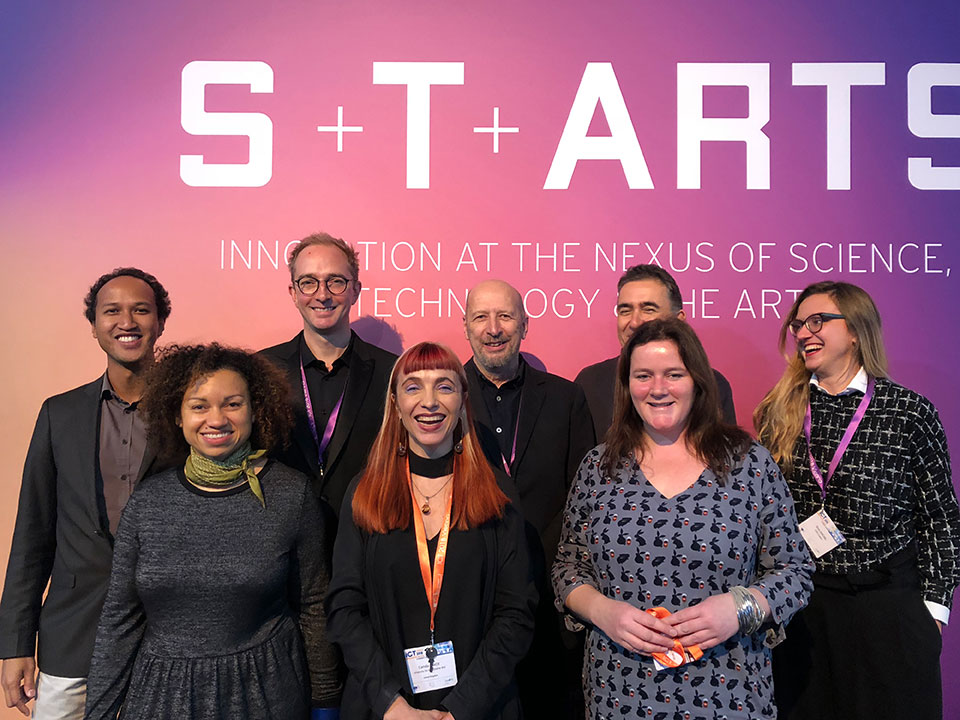
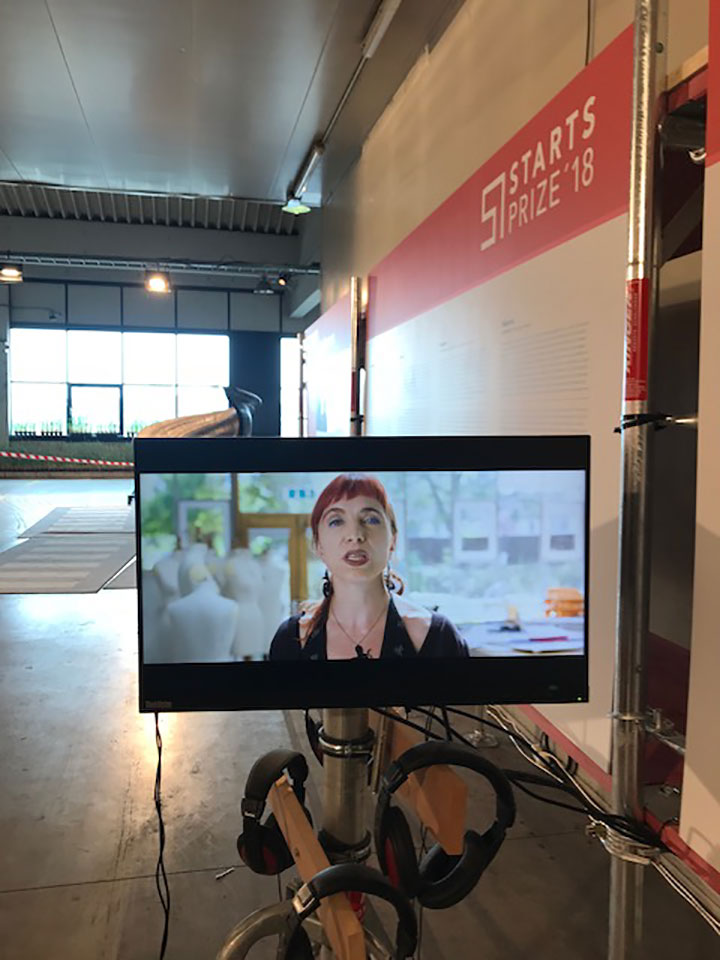
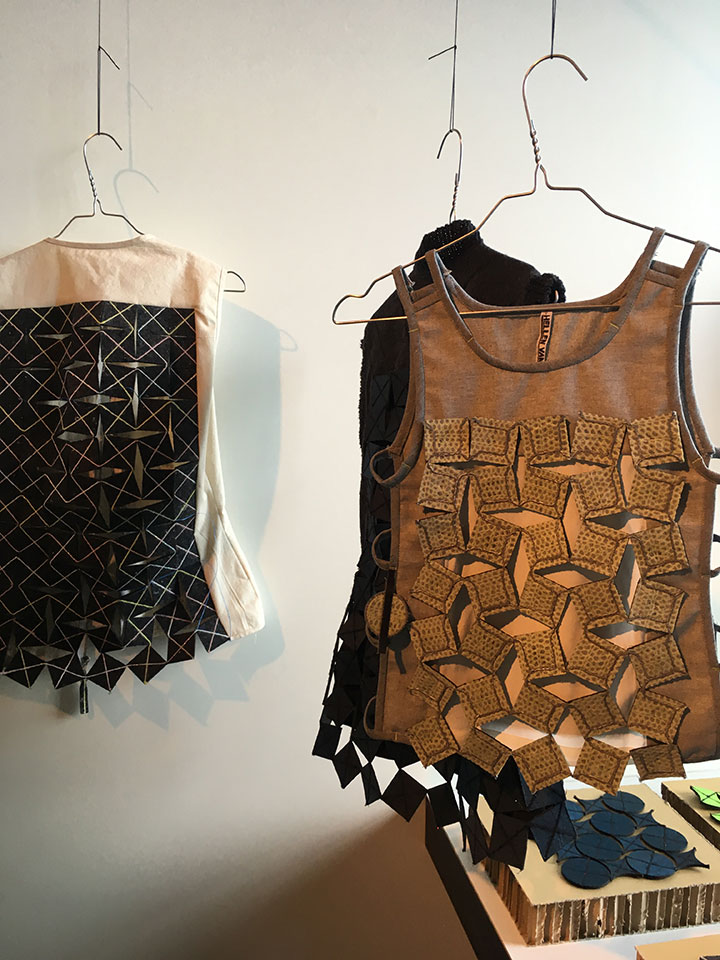
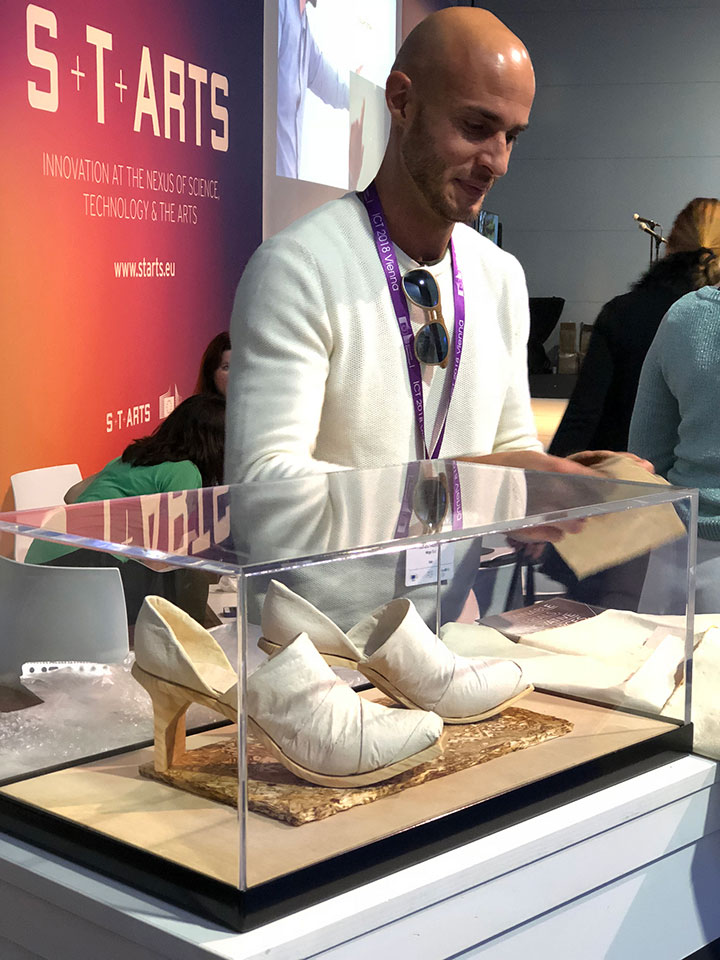
VOICE

> VOICE: Valorising Artist-led Innovation through Citizen Engagement

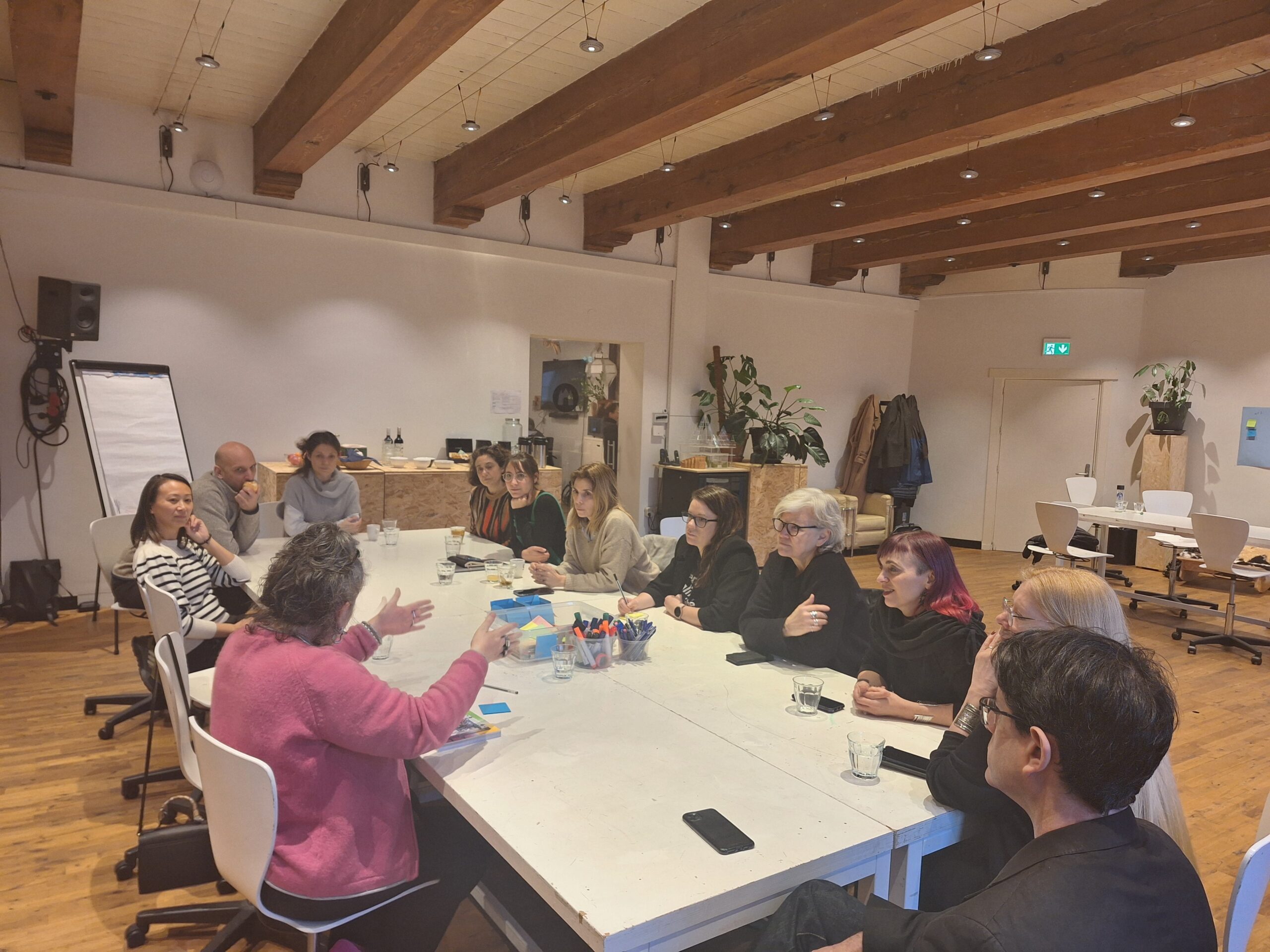
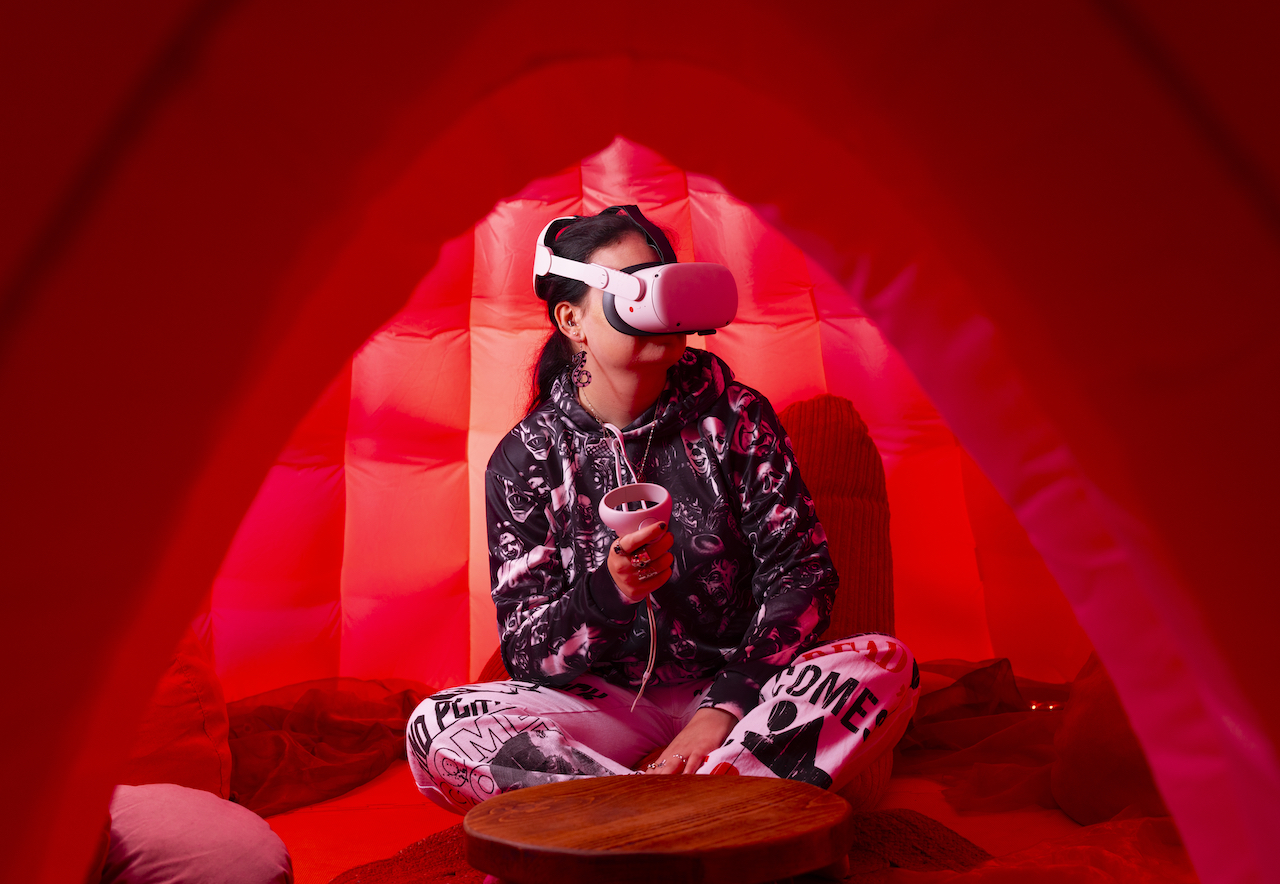
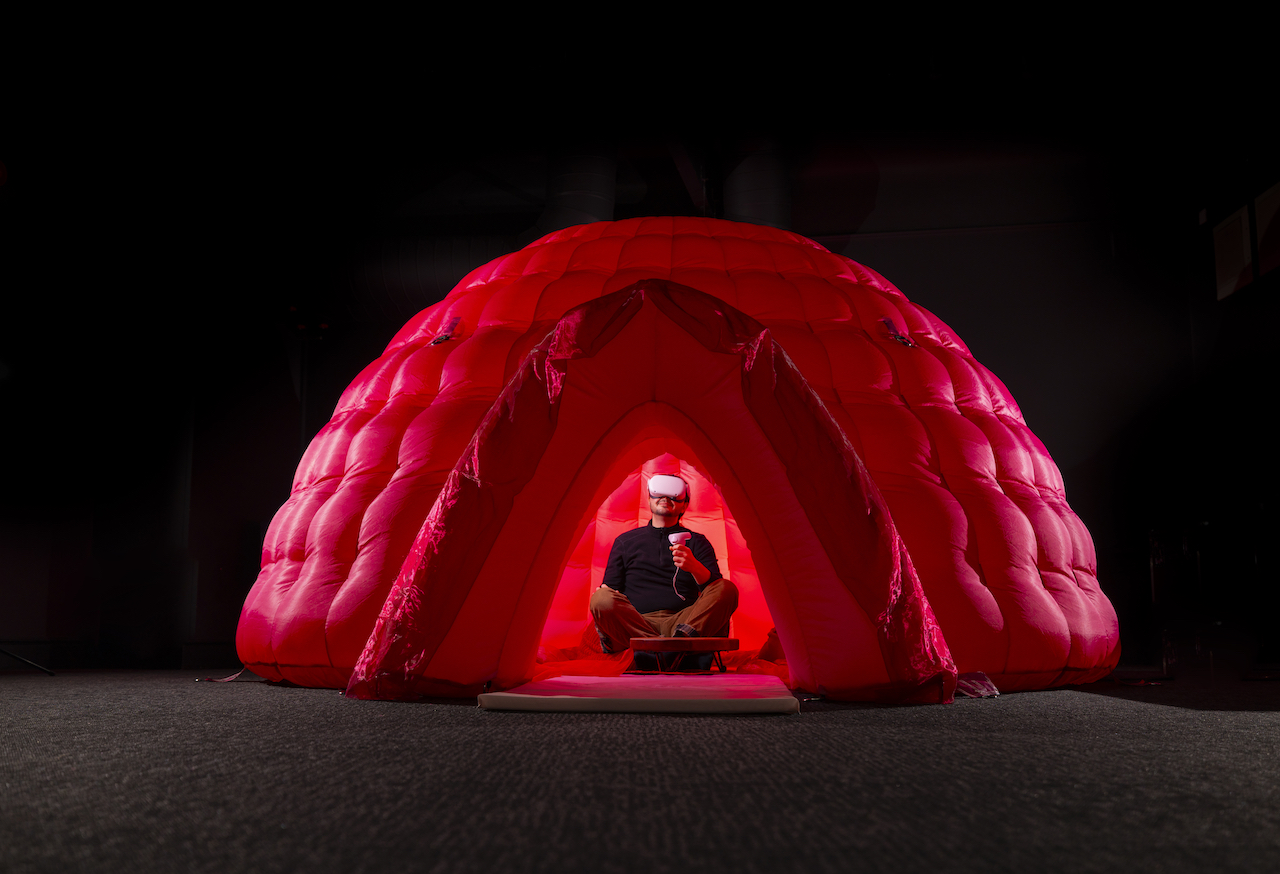
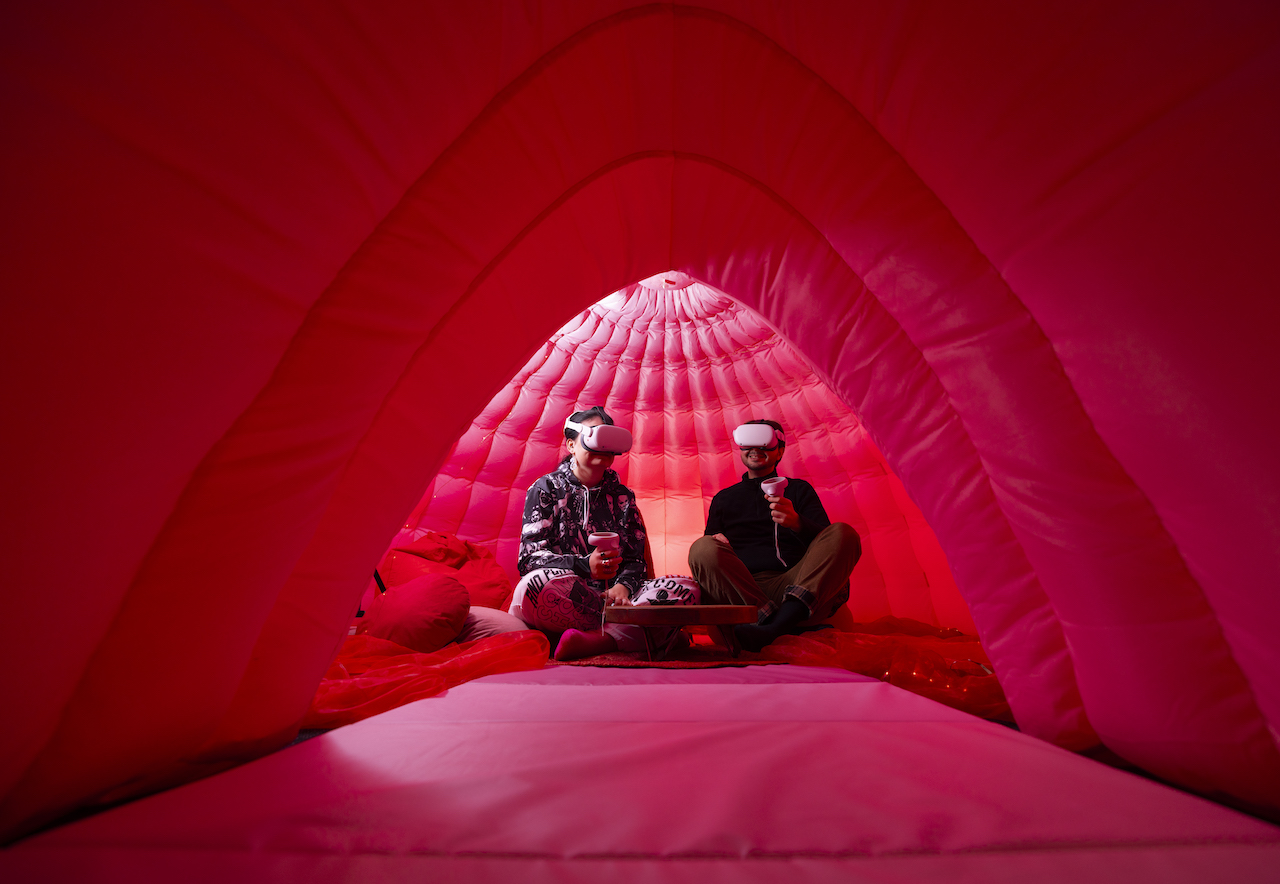
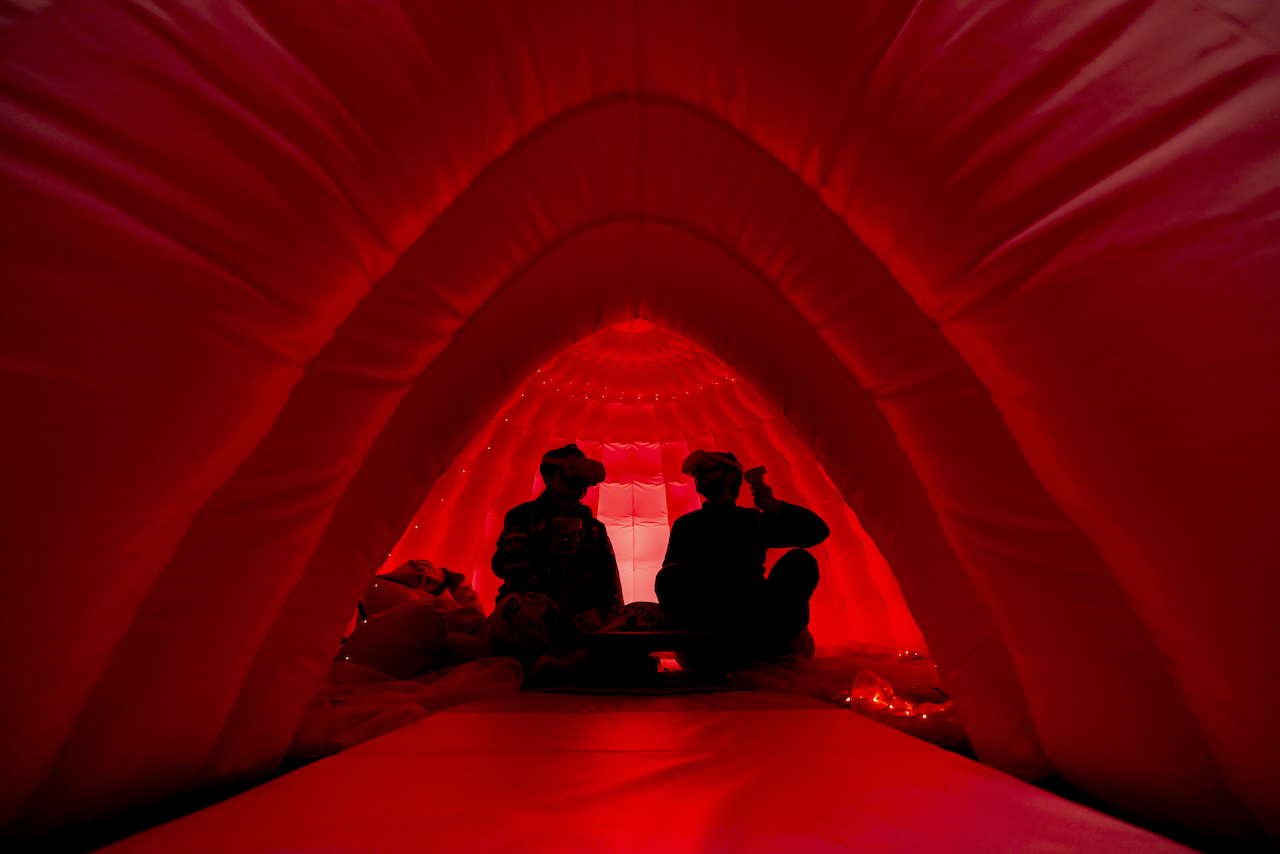
VOICE utilises ‘artist-driven’ interventions to enable multi-stakeholder communities to engage in dialogue but also collaborate for co-designed green and digital solutions to remedy regional or local challenges related to environmental and ecological sustainability and leading to a more resilient ecosystem 

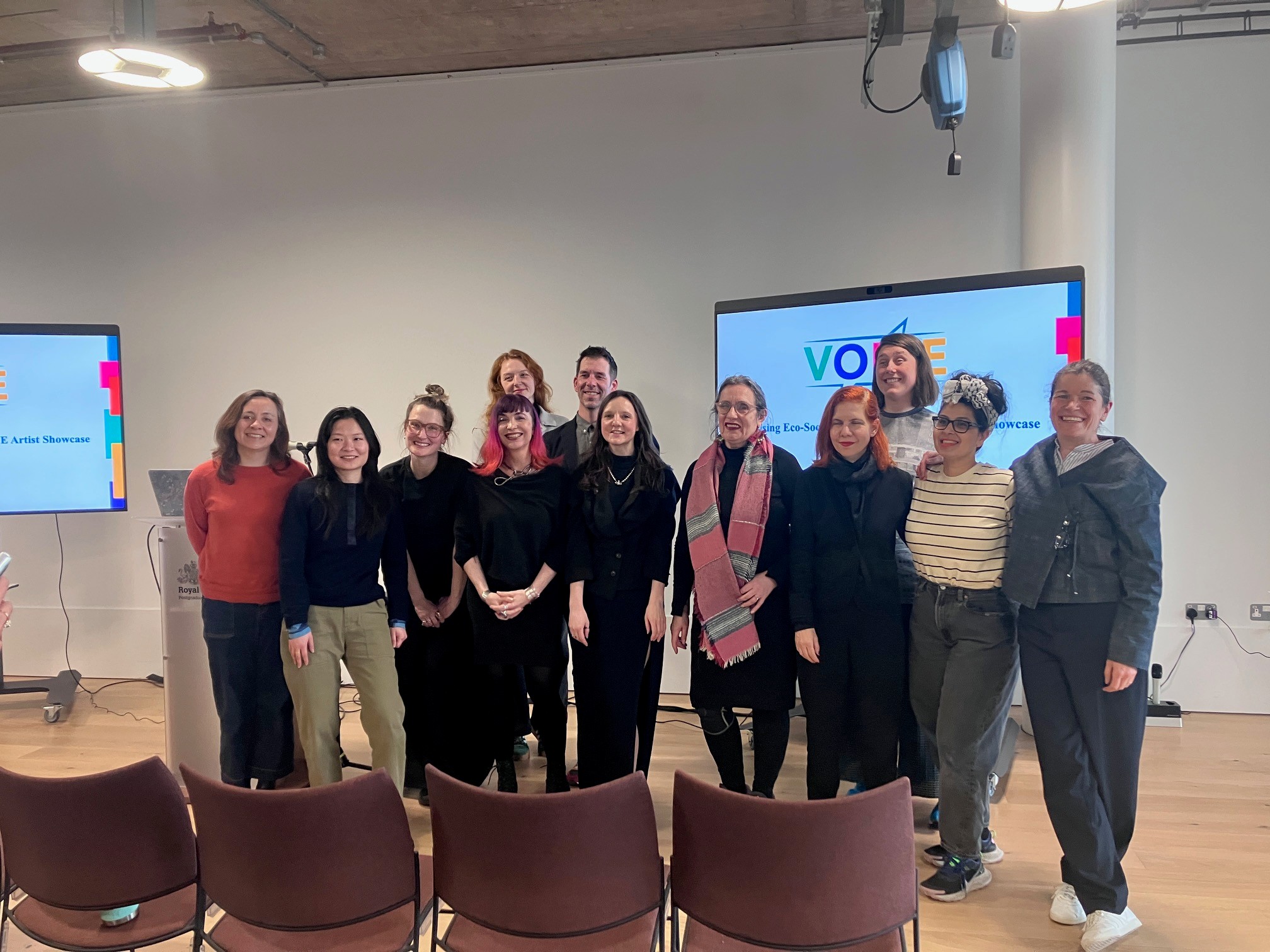
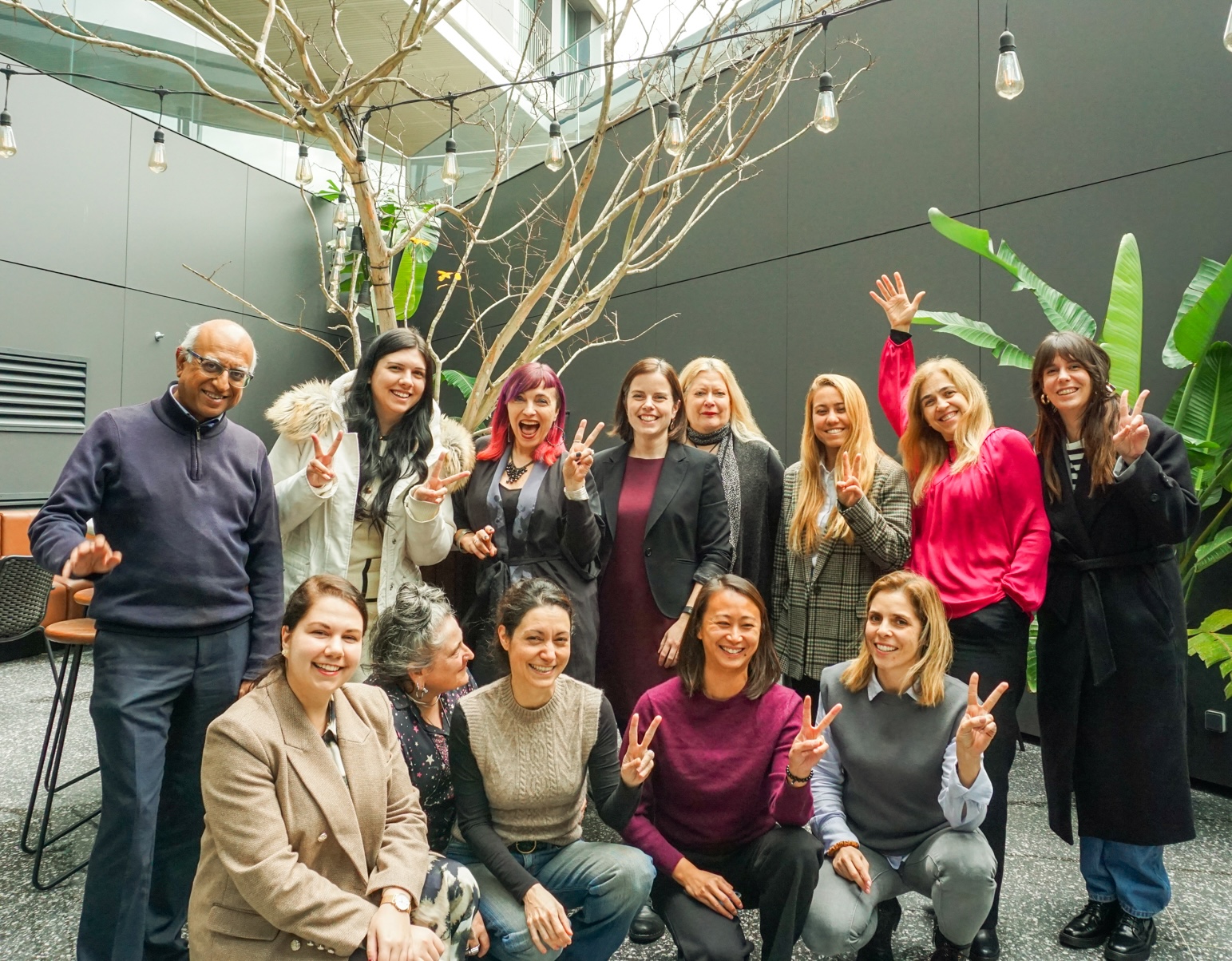
Horizon Europe HORIZON-CL4-2023-HUMAN-01-33 Coordination and Support Action. The consortium includes the Royal College of Art (UK), INOVA+, Innovation Services (PT), WAAG (NL), University College of Dublin (IE), Broadcast Solutions (UK), Future Focus21c (IE), EURICE European Research and Project Office GmbH (DE), and Research and Innovation Services d.o.o. Za Usluge (HR).. 

> Video : intro to the VOICE Project

> Gallery
> Timeline

January 2024 – October 2026

> Collaborators

  • Marta Coto – Senior Project Manager, INOVA+ (PT)
  • Ana Leal – Director, Partnerships Directorate, INOVA+ (PT)
  • Mafalda Ferreira – Consultant, Project Manager, INOVA+ (PT)
  • Professor Camille Baker – Principal Investigator for Royal College of Art (RCA) UK
  • Victoria Geaney – Industry Project Researcher, RCA UK
  • Dr Anita McKeown, Co-founder / DirectorFuture Focus 21st Century (FF21C) Ireland
  • Professor Lizbeth Goodman, Professor of Inclusive Design, Founder/Director, SMARTlab Global, University College Dublin (UCD) Ireland
  • Zeynep Birsel, Senior Researcher, Art-Science, WAAG Society, The Netherlands
  • Margherita Soldati, Concept Developer, WAAG Society, The Netherlands
  • Huw Williams, Broadcast Solutions, UK

> Abstract

VOICE aims to address the complex social and cultural constructs that play a vital role in supporting knowledge valorisation and bringing systemic change towards environmental and ecological sustainability. Sustainability of a balanced and healthy environment and ecological landscape, as noted by the Green Deal, is a multilayered topic which involves a networked relationship among citizens, industries, and governments as facets of human agency but also vital unheard voices of non-human agents that are an integral part of the environmental and ecological systems. As concerns over economic and social wellbeing start to mobilise communities to inhabit urban areas in many regions in Europe, as well as globally, we are faced with the challenge of collectively generating, sharing and transferring multifaceted knowledge that will empower diverse stakeholders and communities to undertake an active role in addressing complex environmental and ecological sustainability challenges. Often characterised as a transdisciplinary domain, these challenges invite more critical approaches to how we design technologies, who makes, who benefits, and who contributes to provide an economically and socially conducive environment for fast uptake and diffusion of technology and breakdown inequalities, generating new knowledge in the process. VOICE consortium advocates that solutions should not be predominantly market- or technology-driven but concern-driven. Such an angle necessitates critically engaging with environmental problems, concerns, and interests of groups in a ‘dialogue’ platform.

Coming from this direction VOICE proposes a distinct approach framed as ‘artist-driven’ interventions to enable multi-stakeholder communities to engage in dialogue but also collaborate for co-designed green and digital solutions to remedy regional or local challenges related to environmental and ecological sustainability and leading to a more resilient ecosystem. Formulated as Art-Technology-Society Interactions (ATSI), these initiatives will form the backbone of artist-led interventions as platforms for dialogue, knowledge exchange and transfer among the key players/stakeholders in the VOICE ecosystem.

Utilising artistic tactics, VOICE will simultaneously challenge prevailing narratives of the 4th IR (4IR)13 while identifying opportunities for the development of reciprocal acts encouraging shared ownership and responsibility – meaning they are subjected to 4IR but have agency in shaping it and owning it – and enrichment of the 4IR by the inclusion of diverse knowledge, cultures, and sustainable practices (5IR). If 5IR is to be equitable and fit for purpose, its ethical and philosophical ‘operating system’ needs rebooting in line with the 21st Century challenges. Information, education, and critical thinking are the key to freedom, equality and social justice. Therefore, using art as a medium that empowers creative and critical thinking, we can challenge or consolidate dominant messages and reinforce the bottom-up approach, citizen-led or inside-out approach towards dealing with complex challenges.

> Partners

  • INOVA+
  • The Royal College Art
  • WAAG Society
  • Future Focus 21st Century
  • University College Dublin

> Budget / Funding

European Commission, HORIZON-CL4-2023-HUMAN-01-33 Coordination and Support Action: VOICE: Valorising Artist-Led Innovation Through Citizen Engagement Grant ID: 101135803.I am the PI for the Royal College of Art (UK). Partners include:INOVA+, Innovation Services (PT), WAAG (NL), University College of Dublin (IE), Broadcast Solutions (UK), Future Focus21c (IE), EURICE European Research and Project Office GmbH (DE), and Research and Innovation Services d.o.o. Za Usluge (HR).

FUNDED (€1,334,568.52 total across all partners/€150,086.03 for RCA, with additional funds transfer in June 2026 £24,000 from withdrawn partner Brunel) Duration: January 2024– Oct 2026

> Outcomes / Impact

VOICE tested the proposition that fostering knowledge valorisation through societal and cultural interactions could contribute to ecological and cultural transformation at European scale. The combined 20-project evidence base supports the proposition and identifies several implications for practice, funding, and policy that were not anticipated at the outset.  At the heart of the European twin transition, Digital (2022) and Green (2019), lies a problem technology alone cannot solve: systemic change requires societal acceptance, and societal acceptance requires cultural mediation. Individually, each project was a situated, community-grounded response to a specific ecological or social concern; collectively, they constitute one of the most comprehensive evidence-bases yet assembled for what artist-led, citizen-engaged eco-social practice can contribute.

One of the clearest findings concerns the nature of the work itself, often overlooked and under-funded. The relational, coordination, and developmental labour that makes socially engaged and eco-social practice possible is not peripheral to the creative process; it is an integral part of it. Artists working at the intersection of community need and ecological urgency spend significant time building trust, preparing hosts, navigating institutional cultures, and holding the conditions for co-design often before a single workshop or intervention can take place. Treating this as administrative overhead, separable from and less valuable than the artistic output, systematically under-resources the very conditions that produce impact.


This raises a question of authorship the evaluation could not resolve: where the boundary of authorship lies when relational and co-ordinative labour is entwined with producing the work, and who undertakes that labour when the artist does not. This is identified as a question for future programme design (Section 5.3). The VOICE evidence makes a direct and practical case: investment in development time, host preparation, and relational infrastructure is not a cost to be minimised but a precondition for everything that follows.  That relational investment also produced a substantial contribution to the field through systematic data collection across the full portfolio, drawn from artist logs, community surveys, capacity-building events, mentoring reports, pCr interviews, final VSM assessments, and three- and six-month evaluation reports.

This identified 142 discrete knowledge gaps (Appendix C) across the eco-social ecosystem, spanning artists, funders, host organisations, commissioners, policymakers, and creative-practice researchers, and ranging from environmental literacy within biomedical institutions to legal frameworks for river rights and missing vocabularies for more-than-human governance and ecological stewardship. These gaps emerged not from theoretical analysis but from the practice of 20 artists working at close range with communities and their specific concerns. The result is the empirical foundation for the first eco-social ATSI deployment toolkit (D3.1), an open-source resource designed to make this knowledge useful and replicable across the field and beyond.

A further shift was evident across the projects in who makes the work and holds authorship: the studio-artist-as-sole-author model was replaced, project by project, by a distributed model in which artists acted as hosts, conveners, and co-designers while community members shaped process, outputs, and meaning. The evidence indicates this is a distinct conception of how localised knowledge is produced and owned, and that co-authored outcomes were more often continued by communities after funding ended than conventionally commissioned work. Co-authorship in this sense generates knowledge and tools for change that no individual practitioner could produce alone, and it confers durability on outcomes, building the foundations for communities to continue the work beyond the project cycle, something conventional commissioned practice rarely achieves because the necessary relational investment is neither present nor an aim of that practice.

One of the most practically significant findings concerned technology itself. The VOICE brief required each ATSI to combine two of three elements: methodology, technology, and society or community. [1] What the projects revealed was more useful: technology had to earn its place in each community context, and in a significant number of cases the most effective solution was simpler, slower, or more analogue than originally planned. Voyage 2 held high technology, underwater cameras, drones, and kinetic sculpture, in genuine tension with traditional ecological knowledge and Indigenous worldview rather than in hierarchy; Hydrohacking the Archive chose analogue-as-care as a principled methodological commitment rather than a limitation; and Neural Nectar built sophisticated custom acoustic devices but allowed the bees to reshape and in some cases reject designs, holding the technology accountable to its more-than-human end users. What this pattern demonstrates consistently is that effective technological integration in eco-social practice is not about the technology chosen but about the community’s relationship to it. The EU twin transition will not be delivered by imposing digital solutions on communities unprepared or unwilling to receive them; it will be delivered by practitioners with the sensitivity, the trust, and the time to know when, how, and what type of technology serves, and when to put it down. The ATSIs also demonstrated artist leadership in SDG localisation. The ATSI’s were not designed around the Sustainable Development Goals as a compliance framework but around people and their ecological realities, and that engagement produced direct, human-scale, and emotionally resonant contributions to SDGs 11, 12, 13, and 17. Artists asked different questions than scientists, policymakers, or technologists, they worked intimately within trust-building scenarios, bringing communities into contact with ecological concerns through sensation, storytelling, making, and play rather than through information transfer alone. Participants reported perceptible shifts in environmental awareness, relational understanding, and behavioural intention grounded in a rich, triangulated dataset rather than self-reporting alone. All of this converges on valorisation, understood not narrowly as dissemination or commercial uptake but as the creation of genuine, lasting value from artistic and community knowledge, for and with the communities that generated it.


The evidence indicates that societal acceptance in these projects arose from co-creation rather than from communication or user-testing, that is, from community presence at the point where knowledge was co-produced rather than at the point of delivery. Valorisation in this context was therefore relational as well as instrumental. It was evidenced in documented outcomes: participants reporting a clearer understanding of their role in the ecological transition, open-source protocols adopted by researchers, a river-rights framework a civic group continued after funding ended, a hospital sensory protocol co-drafted with Highly Sensitive Persons, and documentary evidence used in advocacy over a salmon-migration barrier. These are among the mechanisms through which the practice contributed to institutional and behavioural change. The EU call focused on ‘fostering knowledge valorisation through societal and cultural interactions’, VOICE’s 20 ATSIs responded through practice and in doing so co-produced the evidence, tools and models to make their contribution legible, scalable, and fundable at European level.

> My Role

I was one of the key drivers in this project alongside Dr Anita McKeown, as we tried to apply for 2 other versions of this project for two different funders until this opportunity came to me and then I shared it with McKeown. And due the being between deals with Europe after Brexit, it initially seemed that UK organisations couldn’t lead work packages, so I didn’t initially lead any but contributed to most. But once the other UK partner pulled out, RCA and I took over leading the completion of activities for final and most conclusive Work Package 4 – responsible for delivering the digital platform, the ATSI Catalogue, the Methods Repository, the Key Enabling Methods (KEMs) and contributing to the development of the Toolkit WP3 as it lives on the digital platform as well as the list of capacity building and valorising actvities of the project – all the visible and public outcomes as part of the project’s legacy.

The link to the platform is coming soon.
> Further Information

Haptics and Sensing Projects

Haptics and Sensing Projects

> Projects and Artists’ – Book Chapter Companion

This is additional text to my book chapter “Haptics and the role of ‘body-as-interface’ in artistic immersive/virtual experiences” for the Expanded.Animation.Synaesthetic.Syntax. book for Palgrave 2026 – there was not enough space in the chapter to include these seminal works that have influenced my practice.

E-textiles and Wearable Technology Pioneers

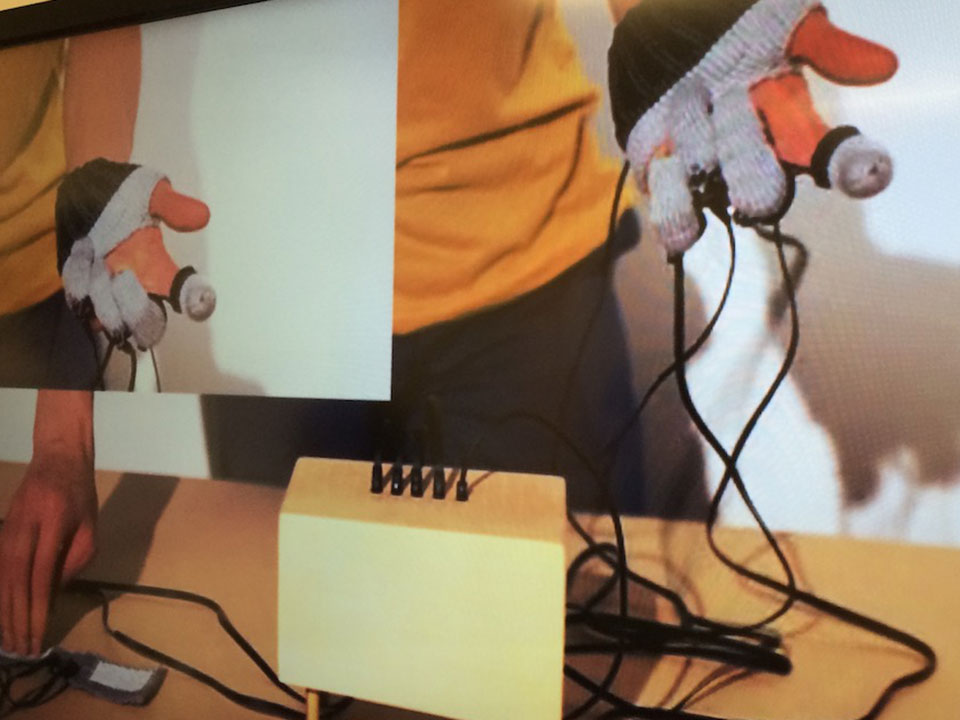
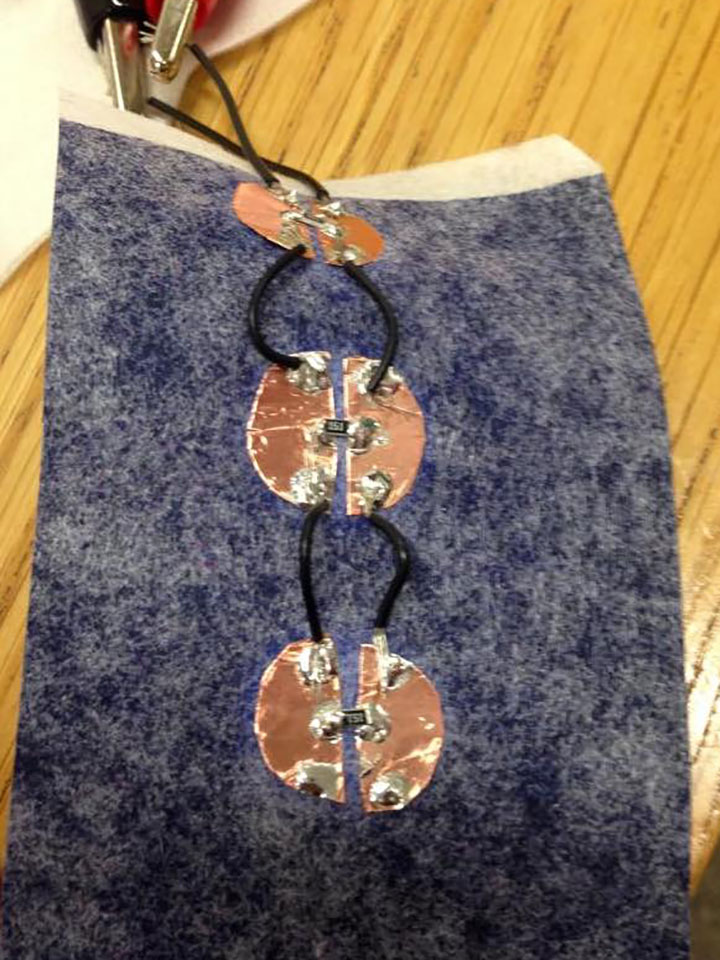
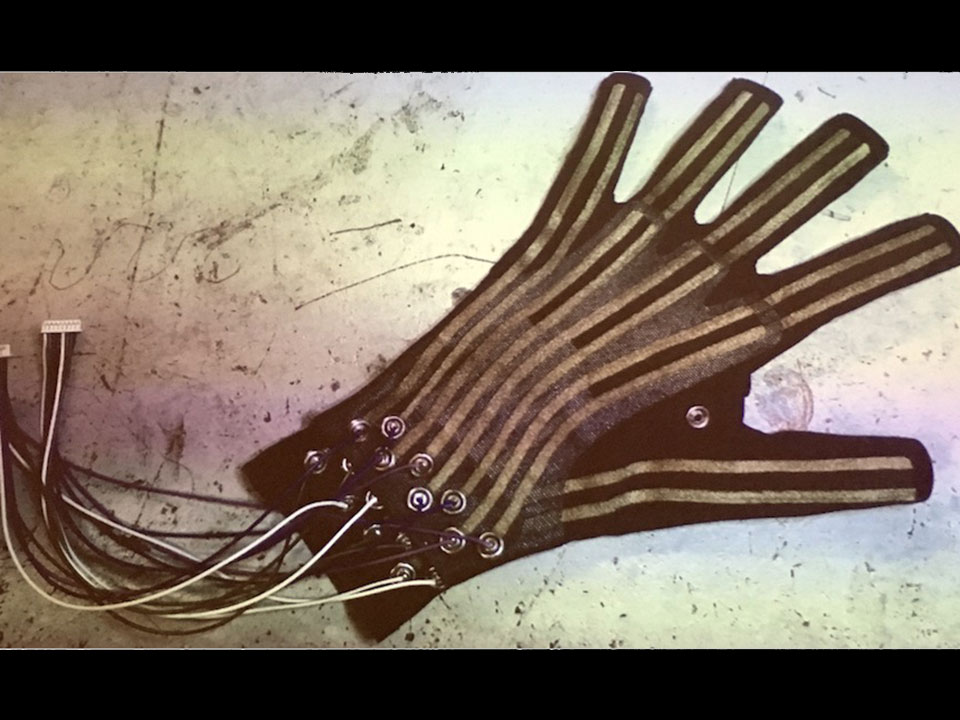
Since I worked with Schiphorst and Kozel early in my artistic and academic career, I have always felt it is better to make bespoke, aesthetic and functional sensor/haptic garments than to use these industrial, masculine and military-style haptic garments. It is more DIY and less robust, even fragile and more likely to be damaged, but the outcome is more satisfying. This is the trade-off. I have been tempted to work with engineers to create more robust but aesthetic haptic/ electronics for performance and XR, but this is not my area of expertise and others are working on this (maybe not for artists however) in the e-textiles designer community.

whisper[s] explored how embedded, wireless devices in clothing could create a ‘body area network’, where people could exchange their body data with others, and it could then be seen or felt by those others within the clothing they wore, through various actuators or outputs, or vice versa. The aim was to find new modes of embodied communication, exchange and a playful means of combining fashion, gesture/movement, media installation, expressive devices and art in new and compelling combinations. (Schiphorst, 2005: online) https://v2.nl/works/whisper and https://www.sfu.ca/~tschipho/whispers/index.html

Other artists and designers who worked across art, performance, fashion, interaction design and engineering, incorporating sensing and haptics into their designs:

Valérie Lamontagne (1968–2019) was a Montreal-based artist, designer, and scholar with an interest in smart clothing and accessories, who significantlycontributed to e-textiles, fashion, and performance through her groundbreaking concept of ‘performative wearables’ and was ahead of her time. She researched how combining technology and garments could phenomenologically transform the wearer. She founded the fashion-tech studio 3lectromode and atelier in 2010, dedicated to crafting and consulting in e-textiles fashion. She was curator of the Fashiontech Festival in Montreal in 2017, and curated several other exhibitions, notably The Future of Fashion is Now at the Museum Boijmans Van Beuningen in Rotterdam, the Netherlands, in 2015. Publication More on Valérie here

CuteCircuit is a London-based fashion brand and a pioneer in the field of wearable technology. Founded in 2004 by designers Francesca Rosella and Ryan Genz, they created interactive clothing that combines fashion with emerging technologies and smart fabrics. CuteCircuit develops garments and accessories for sale that feature embedded microelectronics, LEDs, and sensors, and can often be controlled by a smartphone app. Two big products:

– Hug Shirt (2002): https://cutecircuit.com/hugshirt/
A garment with integrated sensors that allows a user to send and receive the sensation of a hug over a distance via Bluetooth. It was named one of Time magazine’s Best Inventions of the Year in 2006.

– Sound Shirt – Cute Circuit (2019) https://cutecircuit.com/soundshirt/
The Sound Shirt allows both deaf and hearing audience members to experience music and virtual reality enhanced by real-time haptic (touch) sensations, with different instruments corresponding to various locations on the garment, transforming any audio into a multi-sensory experience. Cute Circuit recently won the prestigious LUMEN Fashion & Design Award 2025
https://www.designboom.com/technology/cute-circuit-deaf-people-feel-music-skin-soundshirt-haptic-sensors-10-04-2019/

The e-stitches collective, a non-profit, voluntary platform founded in 2014 (co-founded by myself and Melissa Coleman, with Emilie Giles replacing Coleman in 2020. e-stitches focused on building an international community to explore the intersection of e-textiles, DIY electronics, smart materials, wearable technologies and biomaterials, through regular meetups, skill-sharing, and collaborative projects. Since its founding in 2014, the collective has grown into a dynamic international community of makers, hackers, designers, biotechnologists, performers, and researchers. The collective regularly hosted ‘show-and-tell’ sessions, workshops, and talks, originally in London and now monthly online since April 2020, to discuss current issues, share work, and guide emerging e-textiles and wearable tech.  The e-stitches collective, helped to spawn the EU-funded WEAR Sustain project (2017-2018), a €3m initiative to support artists and designers in collaboration with technologists and engineers, to develop more sustainable and ethical approaches and solutions to mainstream wearable devices and smart materials. Giles and I left the leadership in 2023, and e-stitches is now run by designers Sarah Robertson, Emma Wright and Lucies Hernandez. https://www.linkedin.com/company/e-stitches-collective/

Other notable e-textiles and haptics artists and designers include: Rachel Friere, Anke Loh, Saskia Helinska and Rain Ashford, who have explored e-textiles for different forms of sensing and haptics to create different aesthetic, sensory and emotional outcomes.

Rachel Friere, Cedric Honnet, and Paul Strohmeier developed Second Skin, a pioneering stretch electronic textile garment that adapts to body shape and serves as an open platform for adding custom functionality. https://www.rachelfreire.com/second-skin?rq=second%20skin

Kobakant, an artist collective founded in 2008 by Mika Satomi and Hannah Perner-Wilson, pioneered accessible e-textiles by combining traditional textile crafts with electronics and sharing open-source DIY tutorials through their website “How To Get What You Want” with DIY tutorials for creating low-tech wearables, from fabric pressure sensors to textile speakers. https://www.kobakant.at/?category_name=work

Anke Loh advances interactive textile design through sensory embroidered technology, creating touch-sensitive garments and installations that generate multisensory experiences combining touch, sound, and light.

Saskia K. Helinska works at the intersection of e-textiles and soft robotics, using digital fabrication to create wearable inflatable actuators that deliver haptic feedback through responsive shape-changing geometries. https://www.helinska.com/

Rain Ashford pioneered “emotive wearables”—clothing that interprets physiological data like brainwaves and heart rate through sensors (EEG, ECG) and visualises this biological activity through integrated fibre-optics and light patterns. https://rainycatz.wordpress.com/

Haptics in Immersive XR Artworks

Technologies/electronics devices designed by tech companies are amazing engineering successes for reliability and robustness, but since they are mainly designed for VR games. They have limited if any, customisability, and are extremely expensive apart from BHaptics, most are not desirable for artists to work with.


Jacquelyn (Jackie) Morie’s
contributions are to immersive technology include inventing the ‘RemniScent’ scent collar and incorporating haptics to create emotionally resonant virtual reality (VR) experiences to integrate the powerful emotional impact of smell for more meaningful, multisensory virtual environments, rather than just visual ones. The Bluetooth-controlled collar contains multiple scent cartridges. A miniature air blower forces scented air across a filter disc and directs it toward the user’s nose, without spraying anything. Morie combines sight, sound, smell, and touch (haptics) to craft compelling, lifelike immersive worlds.  At the USC Institute for Creative Technologies (ICT), she also developed an infrasonic floor that uses low-frequency vibrations to produce a subconscious “emotional score” for the virtual experience, enhancing immersion. All These Worlds http://alltheseworldsllc.com/company/
Jackie Morie interviews for Voices of VR:

•  1357: Jacki Morie’s Scent Collar and History of VR https://voicesofvr.com/1357-jacki-mories-scent-collar-and-history-of-vr-from-vrla-2017/
•  #72: Jacquelyn Ford Morie on the history of VR, emotional experience mapping, military simulations, NASA isolation training, scent collar for VR, & creating the Holodeck https://voicesofvr.com/72-jacquelyn-ford-morie-on-the-history-of-vr-emotional-experience-mapping-military-simulations-nasa-isolation-training-scent-collar-for-vr-creating-the-holodeck/

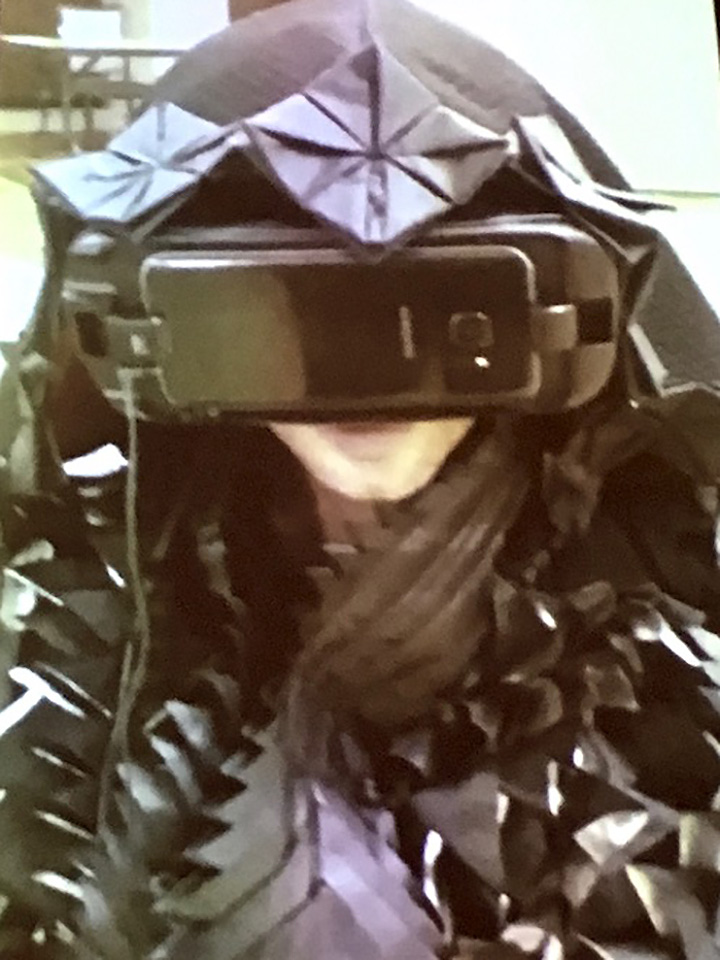
Stéphane Hueber-Blies and Nicholas Blies and their installation titled Ceci est mon cœur (This is my heart). In this experience, the directors used haptic technology integrated into special, hand-embroidered garments worn by the participants to create a shared, emotionally resonant, and physically felt experience. Six participants simultaneously wore the haptic cloaks that lit up and delivered synchronised sensory stimuli to the wearers’ bodies synchronised to a rhythm, creating a single ‘organism’. The haptics triggered subtle physical sensations to evoke the traumatic histories of the creator brothers to process their personal experiences in childhood.  The haptic rhythms were closely tied to the narration and music, ensuring the physical sensations were integral to the storytelling and emotional flow of the piece. https://www.ceci-est-mon-coeur.com/
East City Films – In Pursuit of Repetitive Beats – This award-winning, UK touring exhibition uses haptic vests to let users feel the bass of a 1989 Acid House rave. https://eastcityfilms.com/inpursuitofrepetitivebeats/

Cameron Kostopoulos’ piece In the Current of Being – This award-winning VR work with haptics vests, haptic gloves, belts for legs and arms, within an installation set-up tells the true story of Carolyn Mercer, a transgender woman who endured electroshock conversion therapy. Participants physically feel Mercer’s heartbeat, breathing and have empathy for her ordeal through the haptics. https://www.kost.ai/inthecurrentofbeing

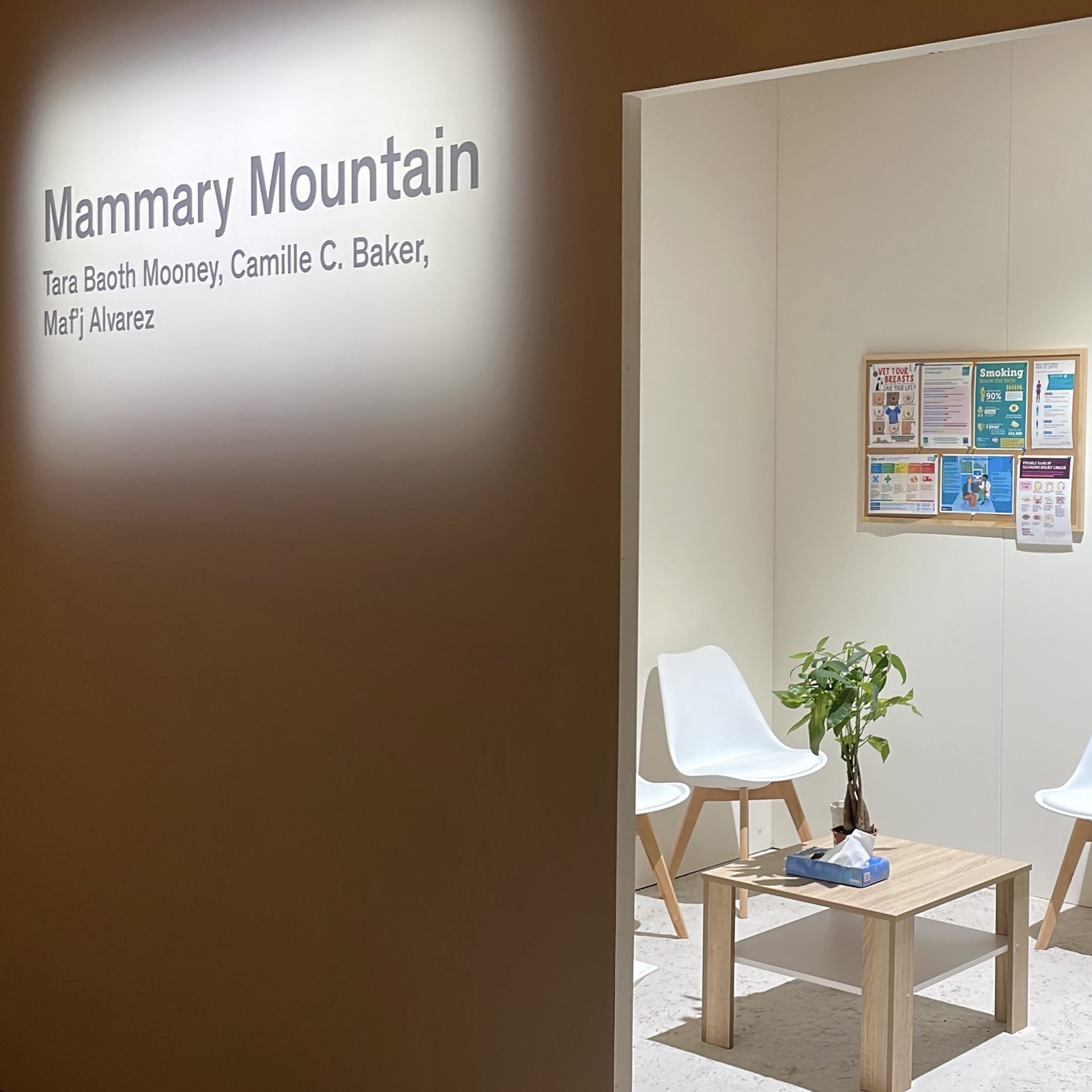
Mammary Mountain

https://mammary-vr.art

> Exhibitions and Festivals since completion in December 2023

2026

2025

2024

  • FilmGate Interactive Festival 2024, Miami, Florida, US. December 5 – 8, 2024, Full Installation Exhibition and Talk – hybrid live and online with Maf’j Alvarez in attendance on behalf of the creative team https://www.filmgate.miami/filmgate-interactive-exhibition-pro  
  • WATCH DOCS New Media and Comms, Warsaw, Poland, November 24 – December 1, 2024 – headset-only exhibition https://watchdocs.pl/en/watch-docs-iff/festival-2024/expanded-worlds-
  • The Dock, Carrick-on-Shannon, Ireland, November 21st– 24th. Talk and Full Installation Exhibition https://www.thedock.ie/  and https://www.creativeireland.gov.ie/en/event/mammary-mountain-immersive-experience/
  • 5th Vektor VR – Verzió International Human Rights Film Festival 2024 November 7-17, 2024, Budapest, Hungary – headset-only exhibition https://www.verzio.org/en/2024/exhibition/vektor-vr  
  • Create XR day ( XRDI), November 1, 2024, Wales Millennium Centre,  Cardiff, Wales, demo and talk of Mammary Mountain by Maf’j Alvarez on behalf of the creative team https://www.wmc.org.uk/en/whats-on/2024/create-xr-day  
  • London Film Festival 2024 BFI Expanded Programme October 11-27, 2024,  https://tinyurl.com/4hk24cm7
  • Digital Cultures Festival 2024, Warsaw, Poland, September 21st-22nd, 2024 – headset-only exhibition Mammary Mountain VR https://digitalcultures.pl/en/home  
  • British Science Festival , September 12th, 2024 – VR demos and talk on Mammary Mountain at University of East London, Docklands Campus https://britishsciencefestival.org/     
  • Ars Electronica Festival 2024 Campus Exhibition, for the RCA Showcase, September 4-8th, 2024, on the theme of Unveiling the Unseen, Linz, Austria https://ars.electronica.art/hope/en/mammary-mountain/   
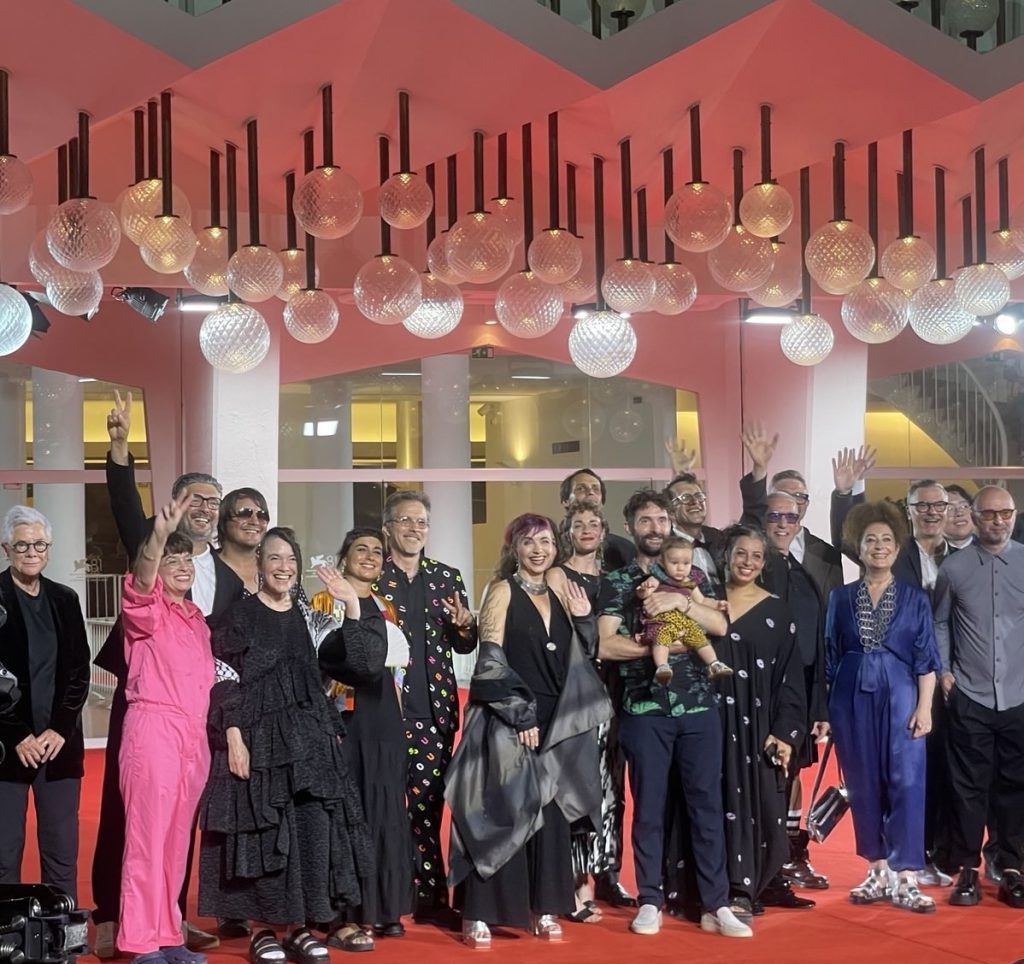
  • ​*Official Selected Competition 81st Mostra de Venize, Venice Biennale Film Festival 2024 Venice, (Italy)
    August 28th – September  7th, 202,4 two weeks of exhibition and immersive competition in the Film Festival 
    https://www.labiennale.org/en/cinema/2024/venice-immersive/mammary-mountain   
  • ​ArtBomb Shop, April 29th – May 5th, 2024 – hosted by Mike Stubbs from ArtBomb Festival and the Unitarian Church, Doncaster, England  https://www.artbombfestival.com/   
  • ​ Piazza Shopping Mall exhibition, April 24th-28, 2024 – hosted by Refractive Collective, Paisley, Scotland 
    https://refractive.scot/event/mammary-mountain-weds-24th-sat-27th-april-2024/  

2023

​ * 16 Days of Action Dundee, Nov 24th, -Dec 3rd, 2023 – exhibition hosted by Neon Digital Arts, Keiller Center Dundee, Scotland https://neondigitalarts.com/mammary-mountain/

> Participation in the Venice Immersive Program at the Venice Biennale Mostra 81 Film Festival, 2024

see more updates on the festivals and events the project has been part of on our dedicated website https://mammary-vr.art/

> Videos

This is a trailer for the project – Filmed and edited by Marc Coleman
This is a mini-documentary on the project – Filmed and edited by Marc Coleman

> NEoN Digital Arts Exhibition, November 23rd to December 3rd, Dundees (Premiere)

> Video of Mammary Mountain Installation set up 2023

> User Testing day in New Malden, October 13, 2024

> Timeline

May 2023- completed Dec 2023

See list of exhibitions and festivals above

> Collaborators

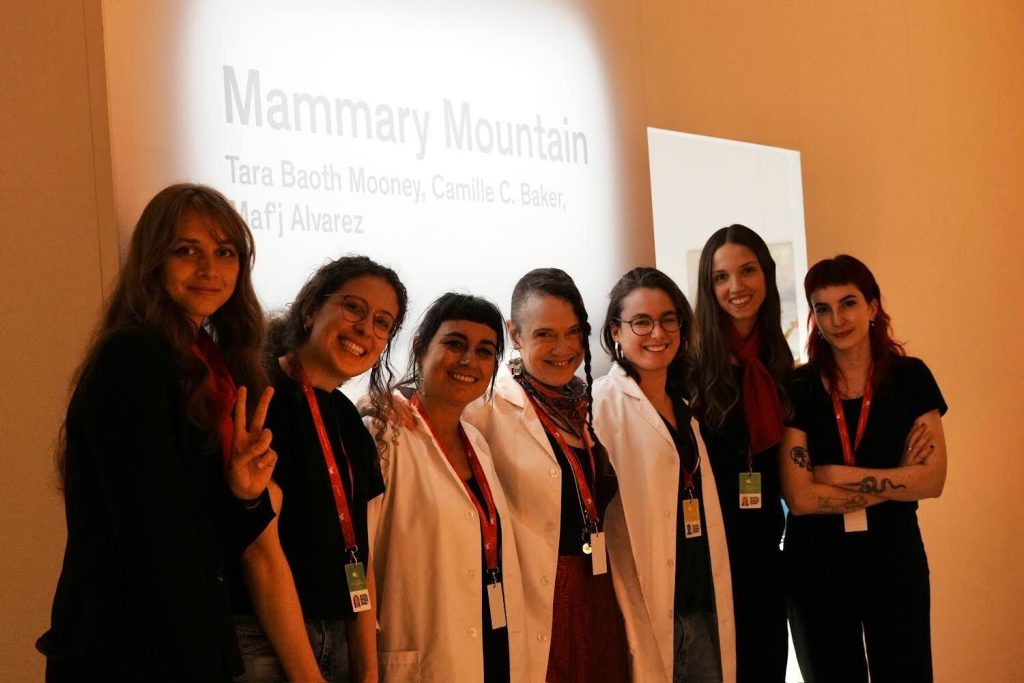
  • Tara Baoth Mooney – Illustrations, poetry, singing, soundscapes and music composition, workshop development and community outreach, grant writing, personal story contribution, garment design direction, chair project management.
  • Camille Baker – Concept and ideation, research grant writing, community outreach, workshop development, narrative framework, content development and story editing, staging and promotion, as well as overall project production.
  • Maf’j Alvarez – 3D Artistry, virtual reality artistry, visual design, interaction design and chair design

    Other team members:
  • Paul Hayes – Haptic design, bespoke peripheral development and electronics
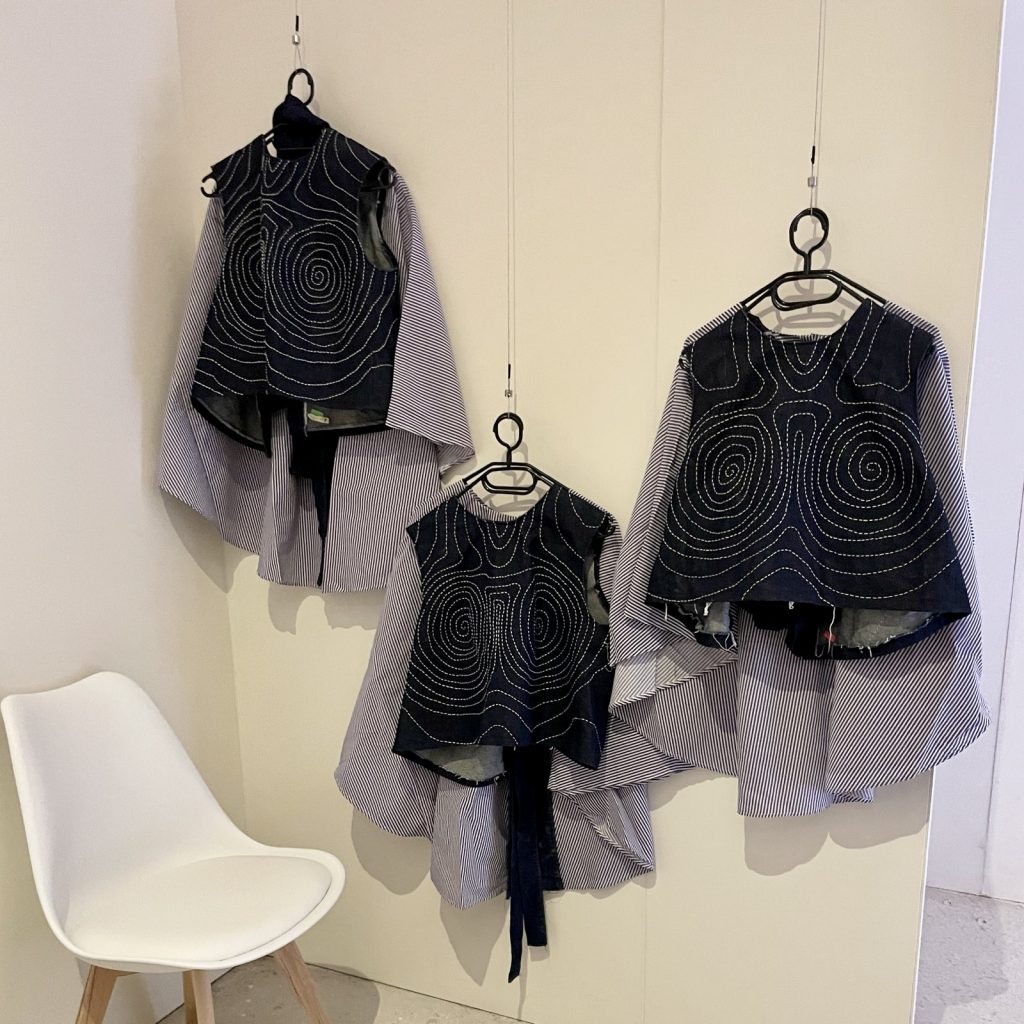
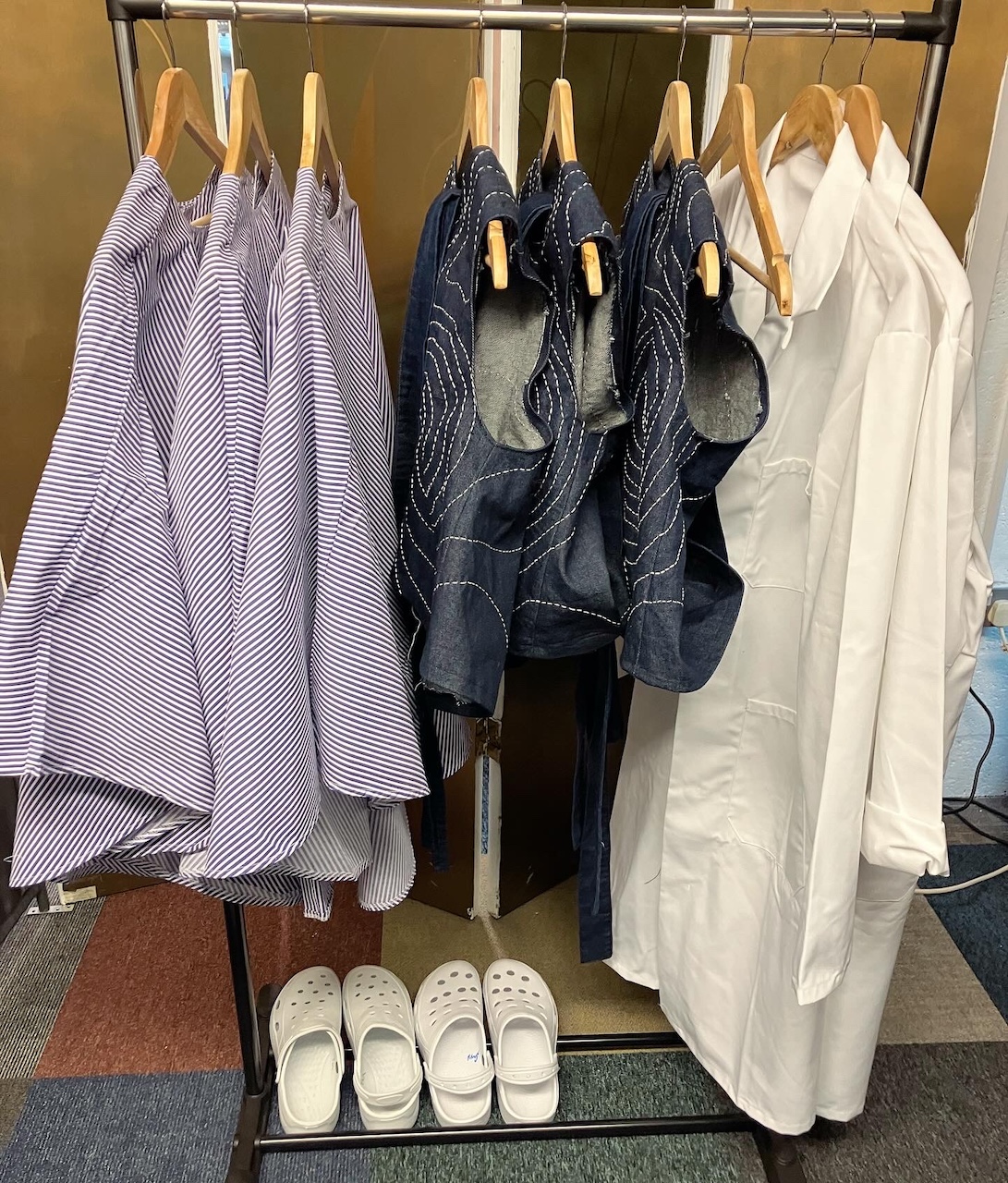
  • Sophie Skach – Garment design, wearable prototyping, pattern design, embroidery and overall wearable construction
  • Leo Scarff – Chair design and construction
  • Lee Paul Heron & Centre Neptune – web design and maintence
  • Marc Coleman and Dann Emmons – Photo and video documentation and trailer editing

> Abstract

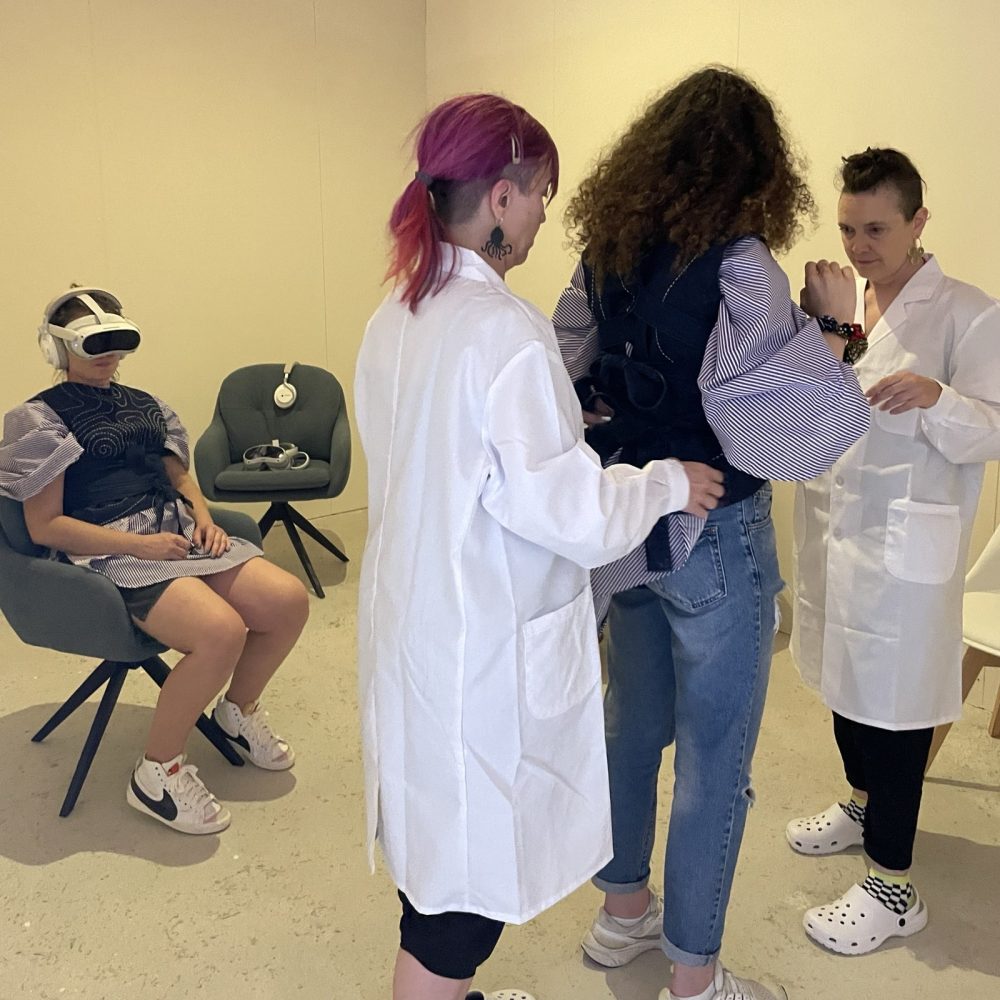
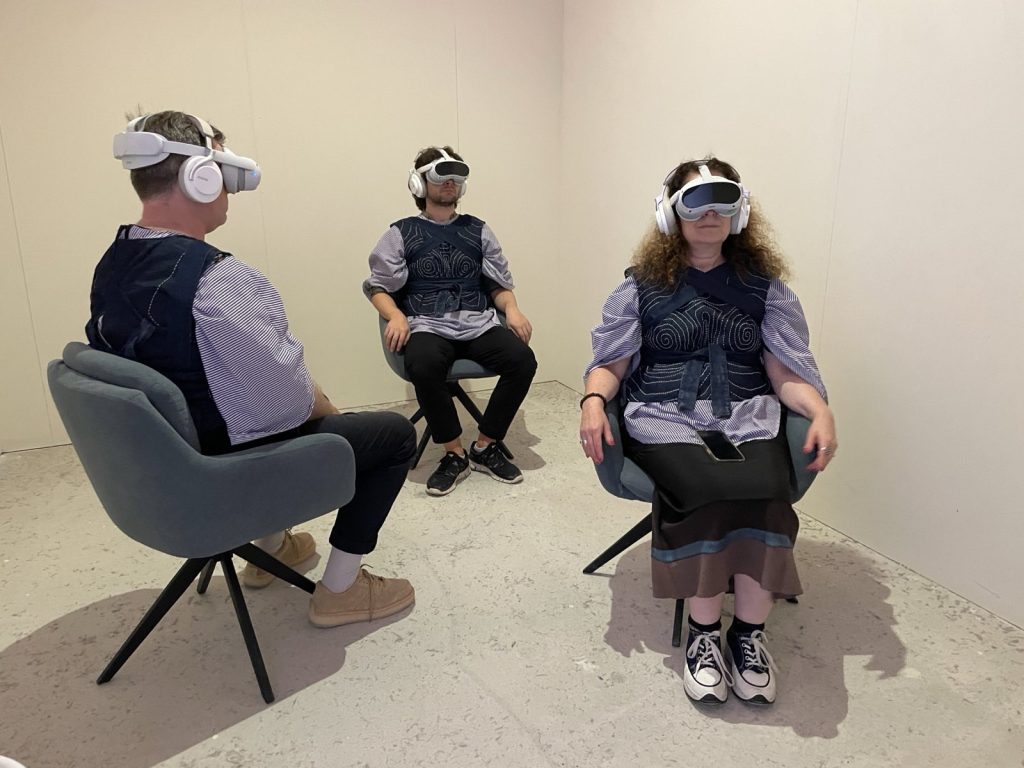
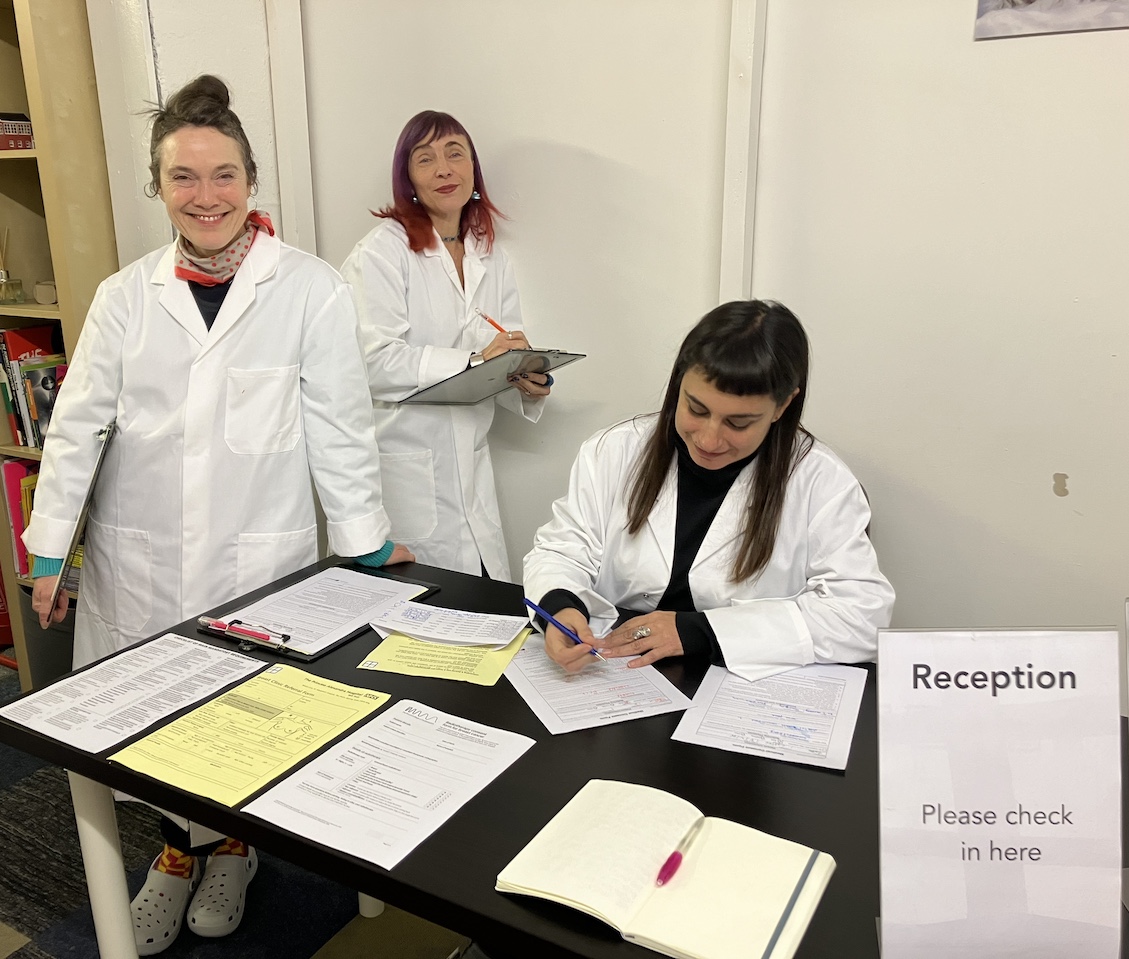
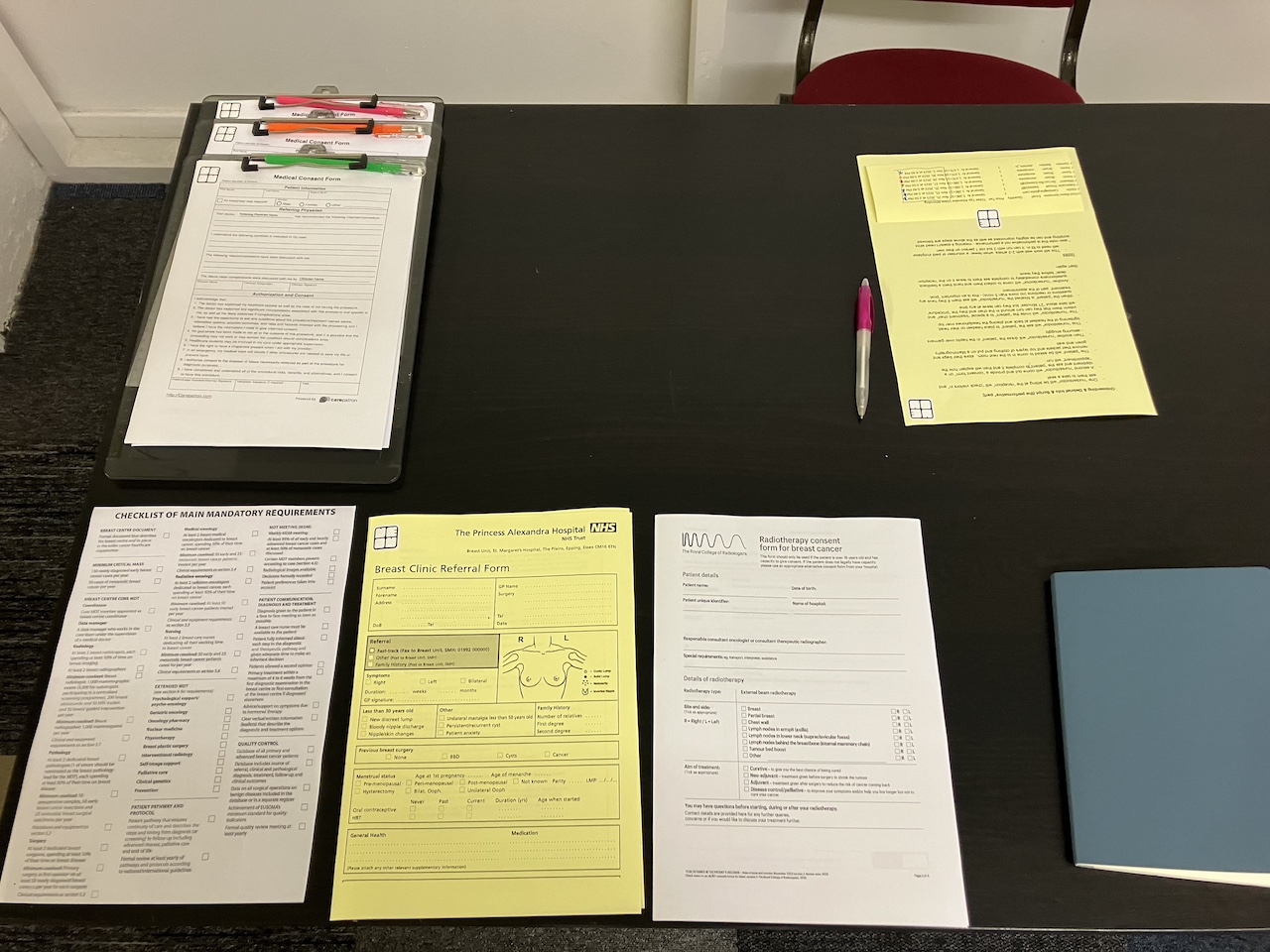
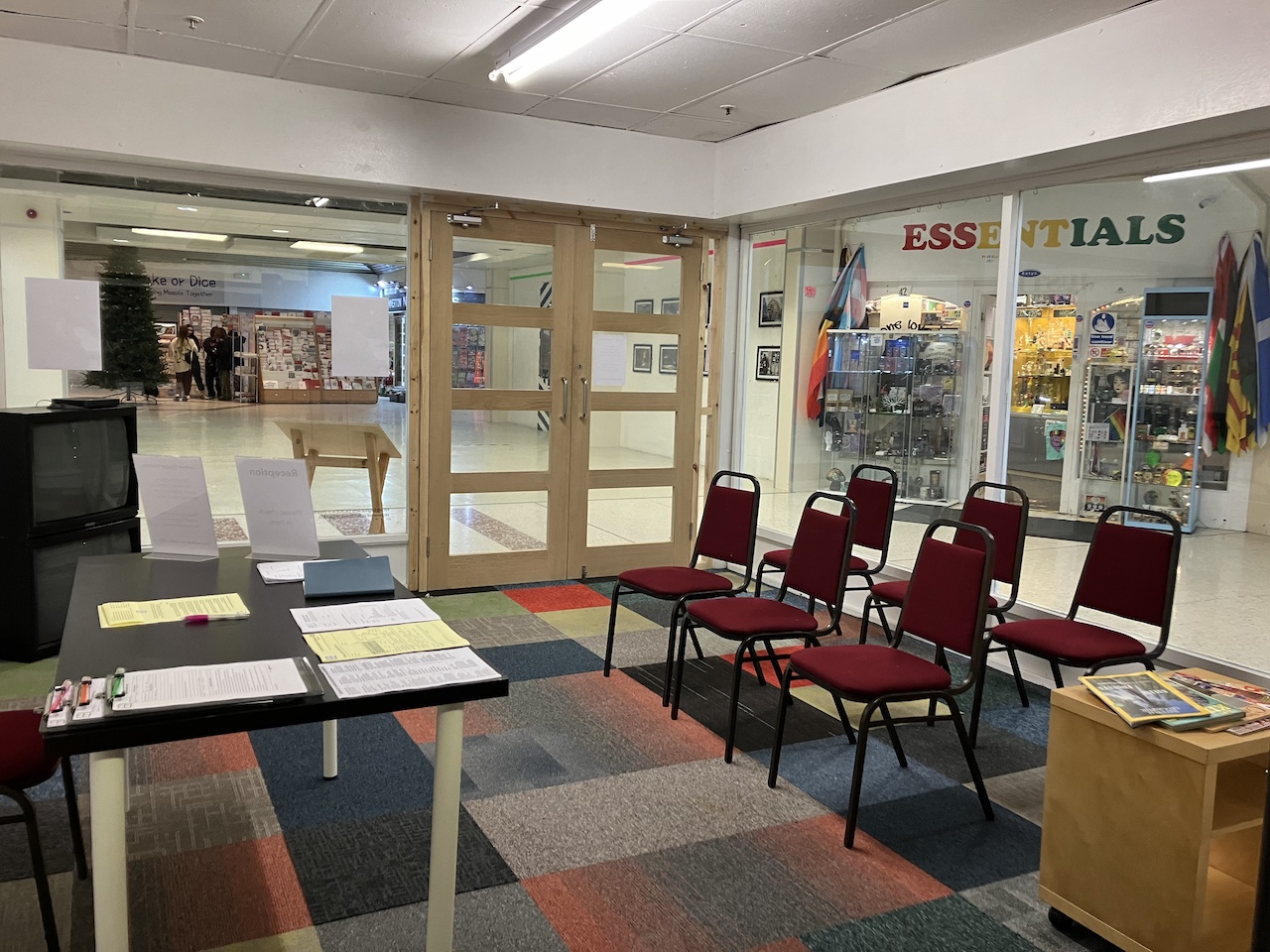
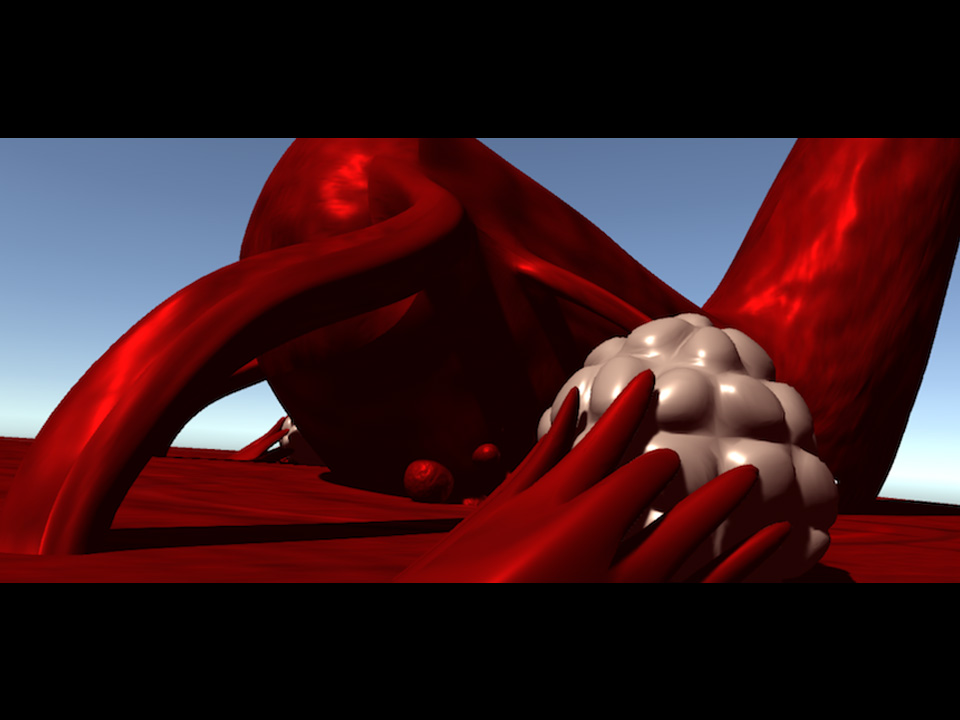
Mammary Mountain is an intimate immersive virtual reality(VR) experience that explores dis-ease within the body during breast cancer and the body’s relationship to the broader context of the land. This new immersive experience tells the stories of patients’ and survivors’ healthcare struggles, and the hidden experiences of breast cancer treatment.


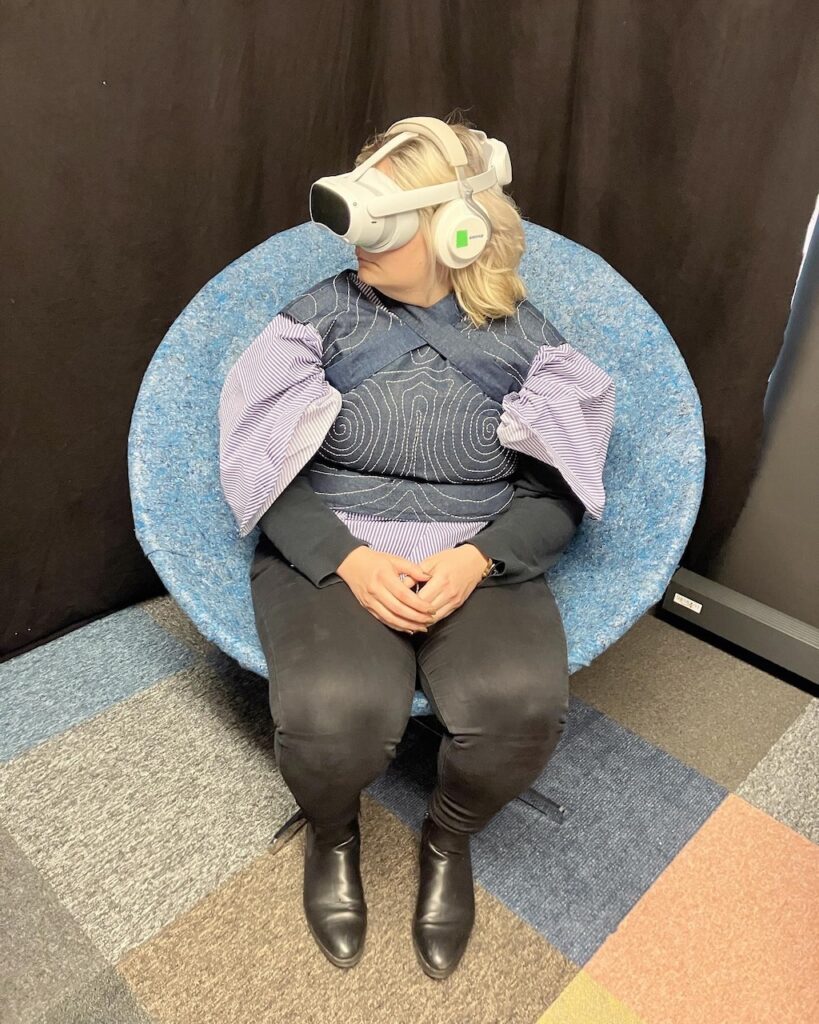
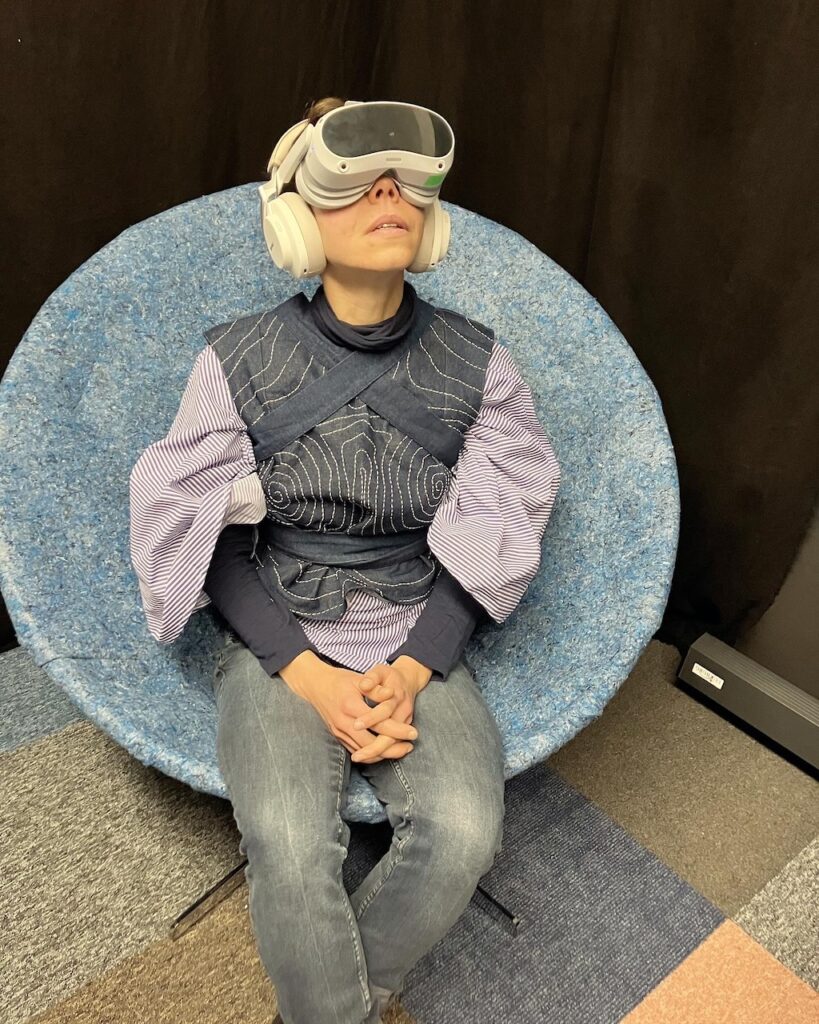
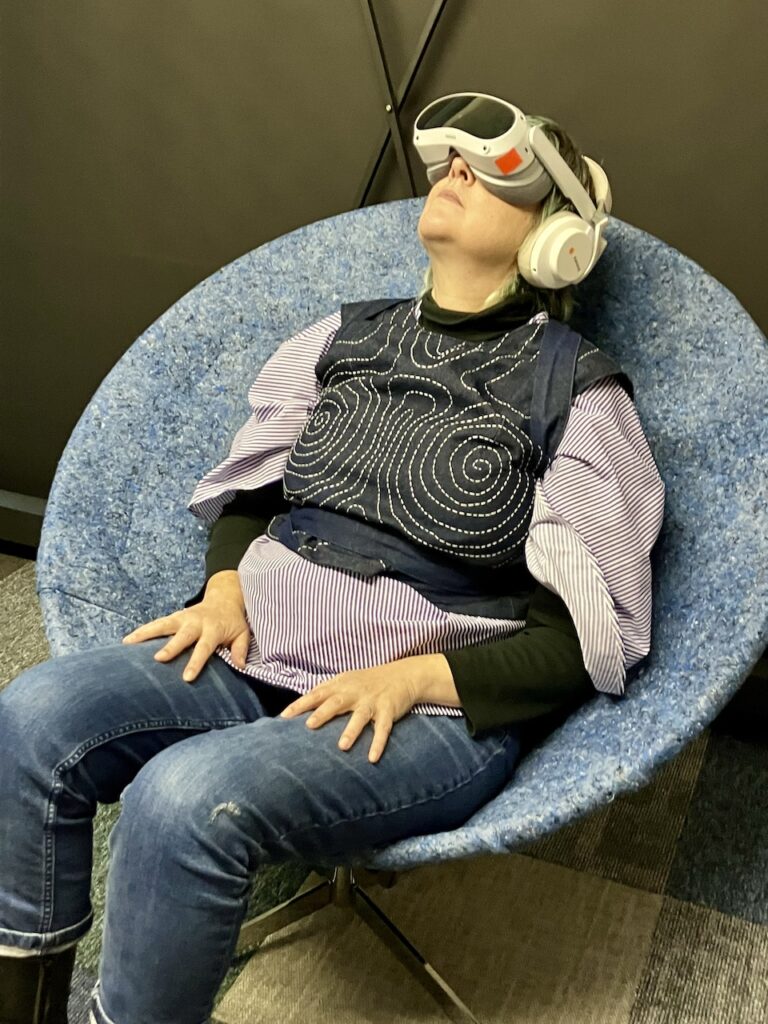
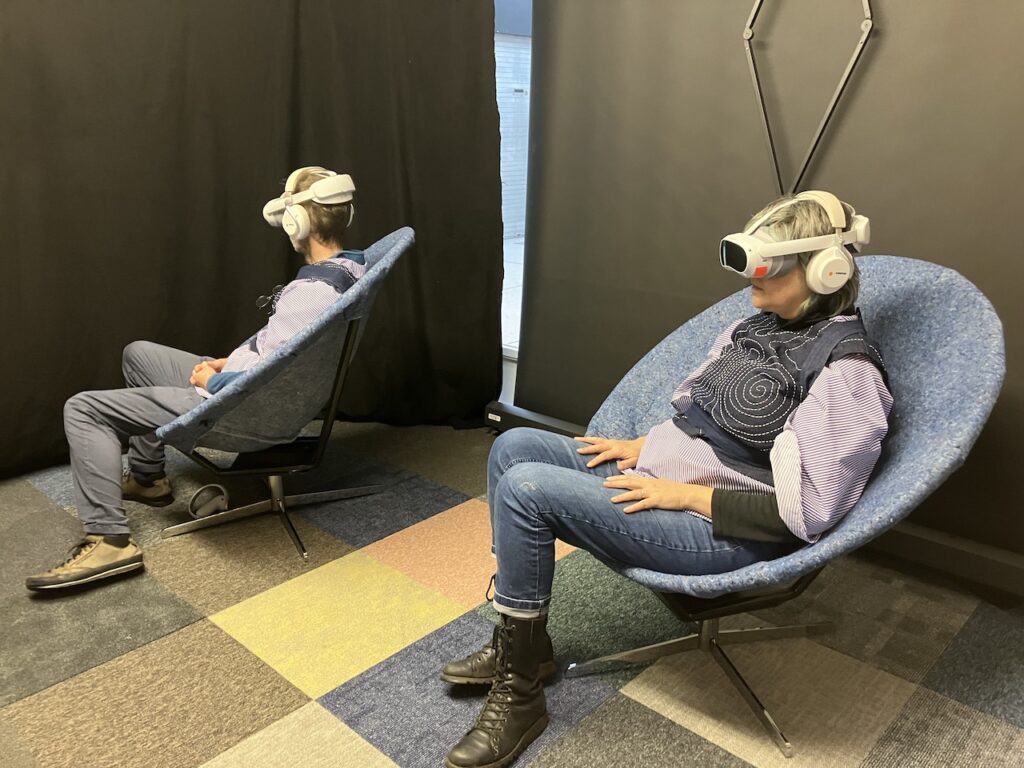
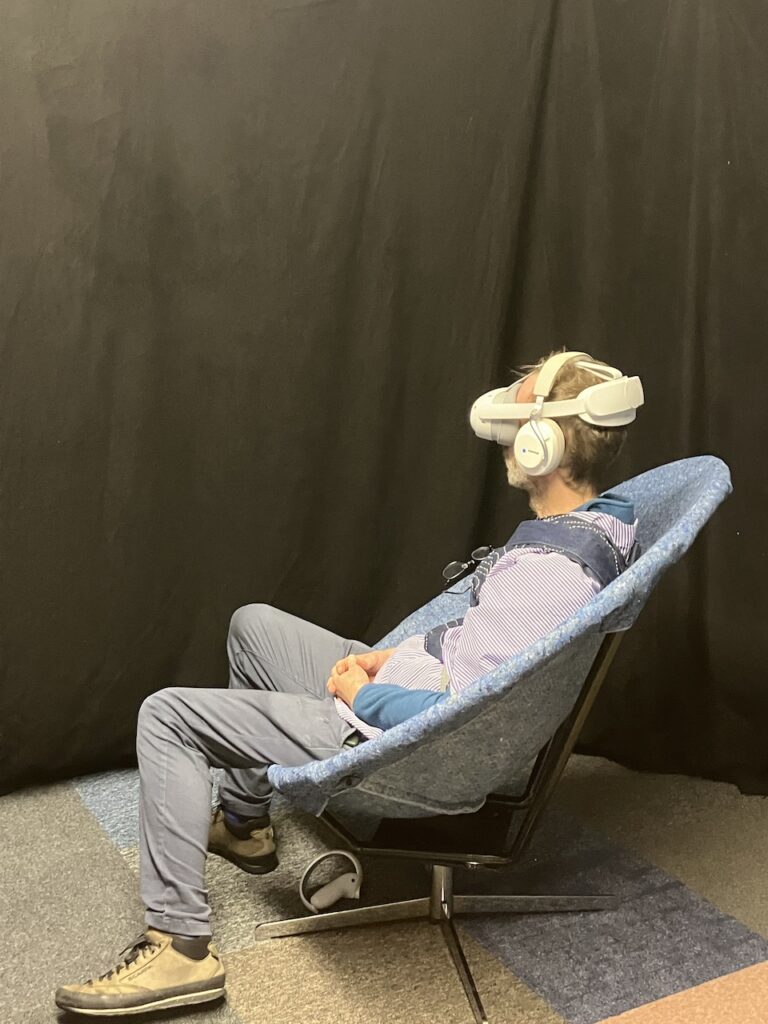
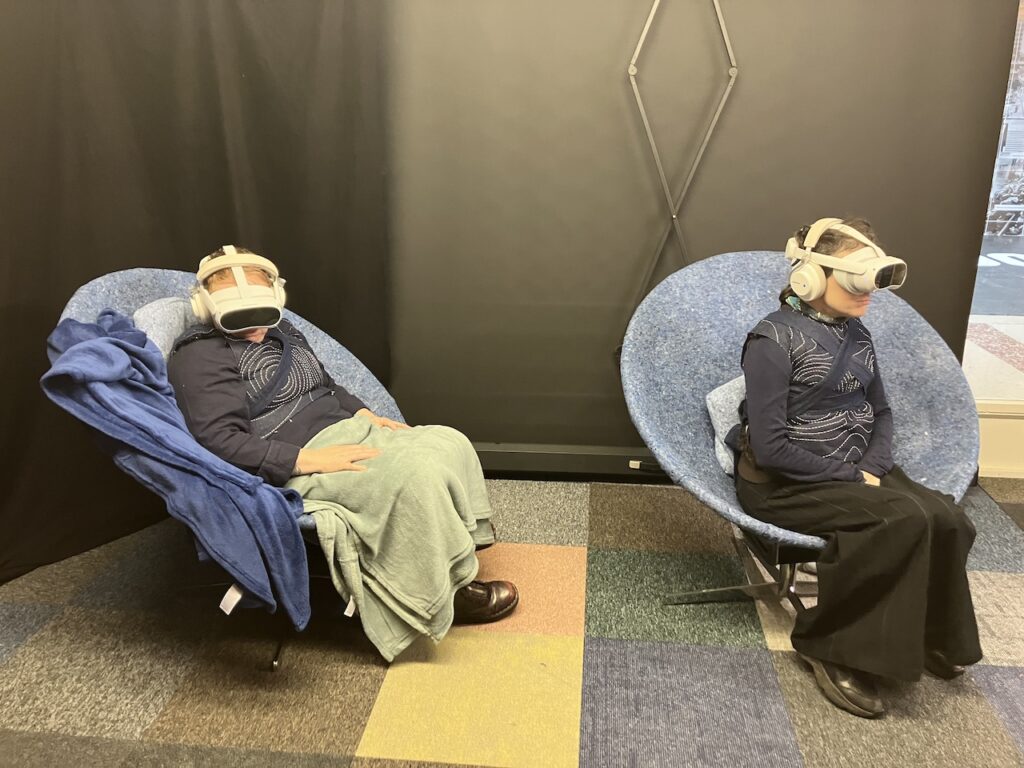
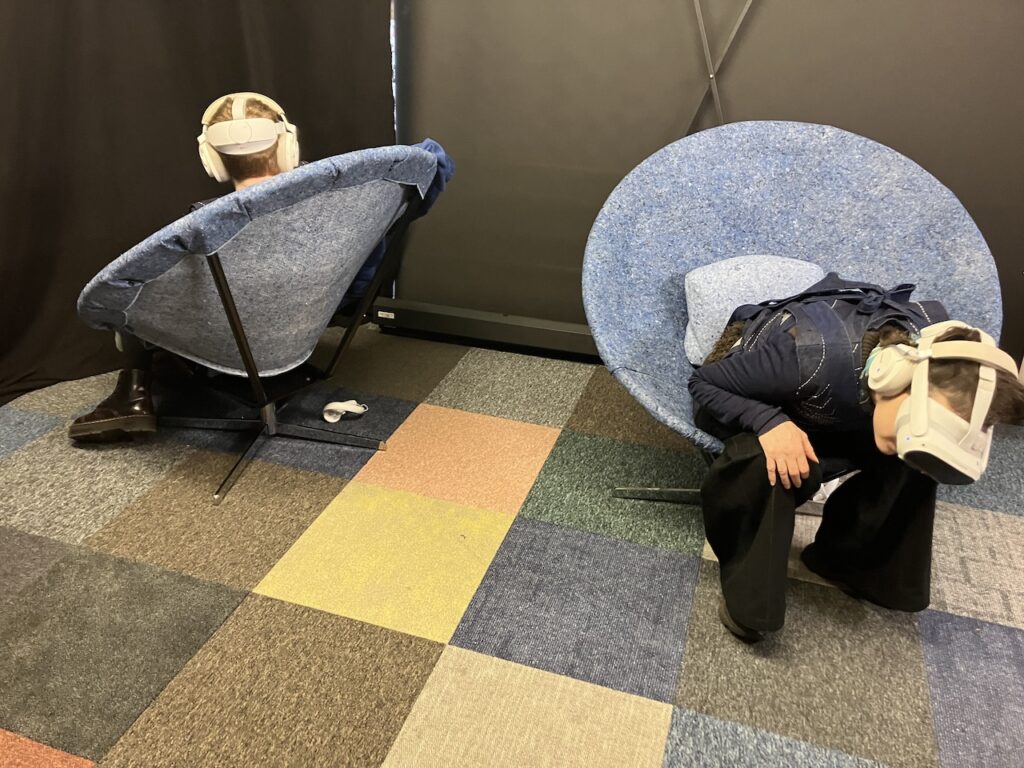
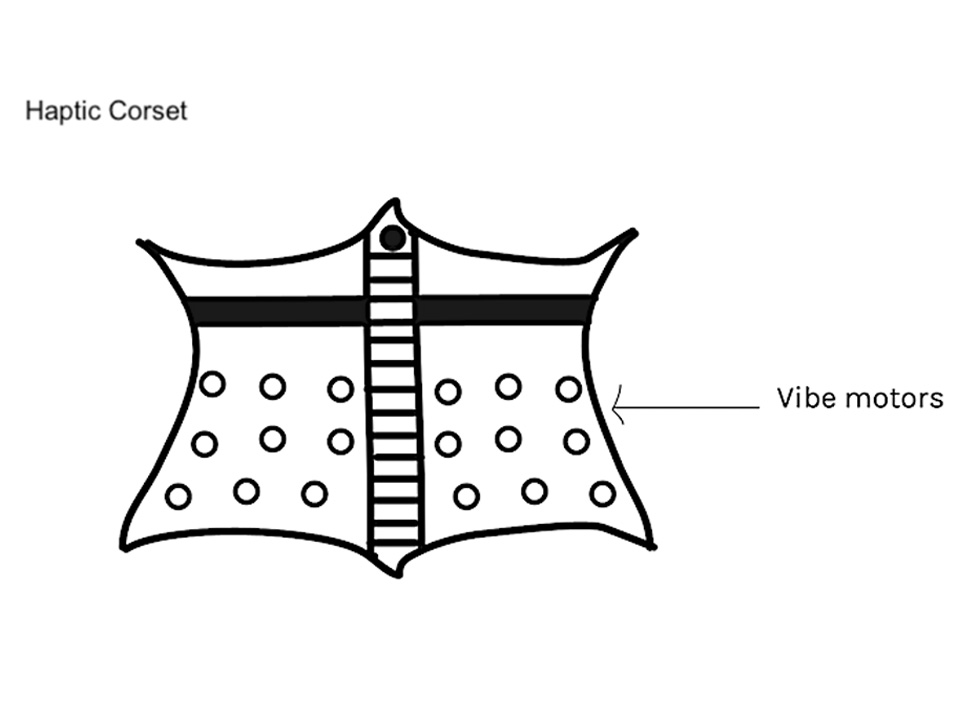
It tells the lesser told stories not only of survival, but of trauma from the life changing experience of (Breast) Cancer through a haptic garment, so audience members/ visitors can feel vibration in the area of the lymph nodes where breast cancer grows.


This work is not only for breast cancer patients and survivors, but more so for family, friends and those with no experience of cancer in their own lives to have more empathy and care for those who do around them. All cancer survivors may related to it.


The piece is explored through animated illustrations, poetry, personal stories of 8 participants, and field recordings of Tara Baoth Mooney, created while going through cancer treatment herself. These recorded sounds and drawings have been further brought to life through the strong visual 3D landscape and evocative animation created by Maf’j Alvarez using VR.


Camille Baker conceived the concept, created the narrative framework and did content development, story collection and editing, grant writing, community outreach and workshop development, staging, promotion, and executive production.
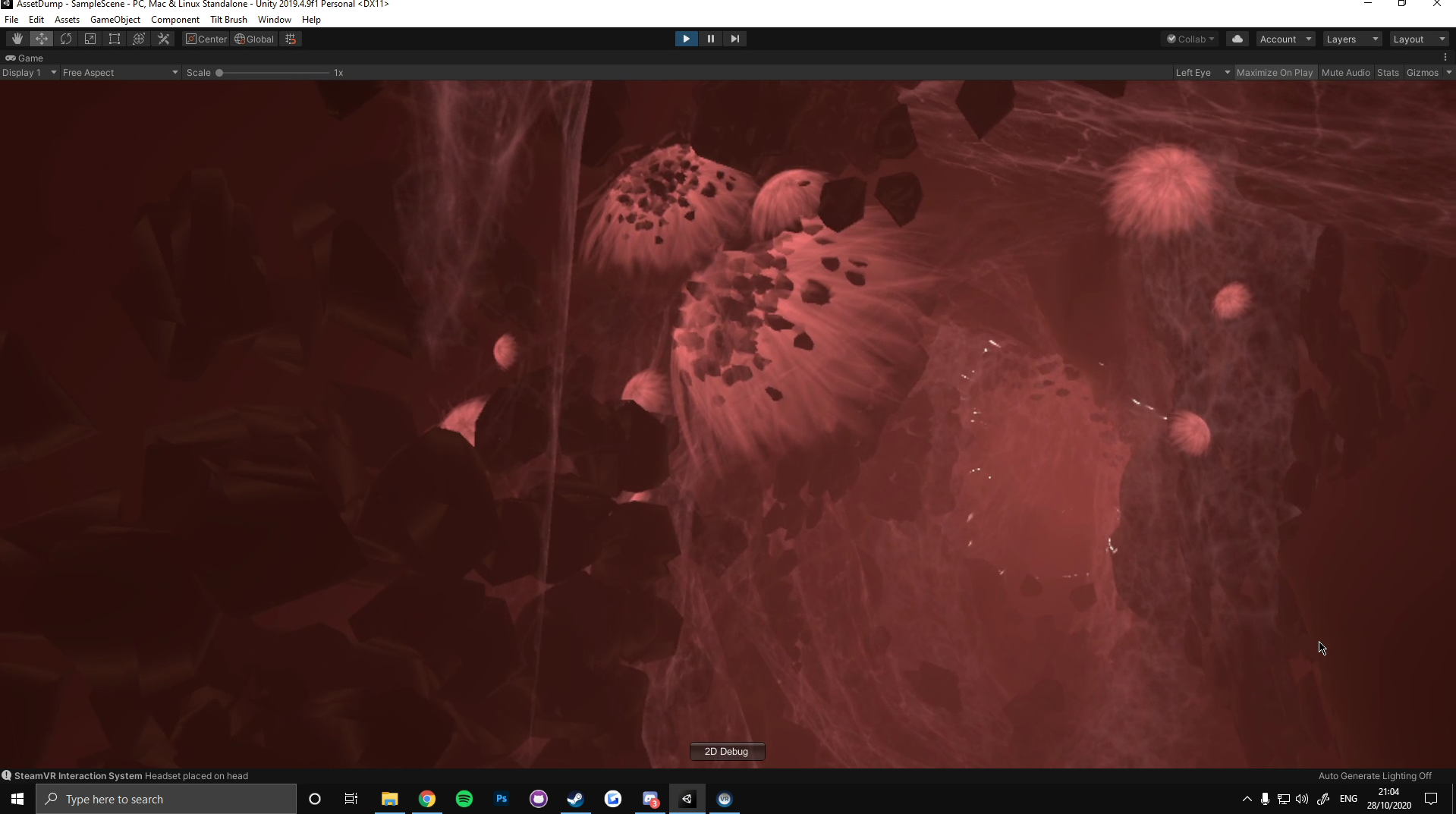

The artists hope this work ignites new public engagement, ultimately resulting in a more nuanced and holistic understanding and empathy of the breast cancer treatment experience.
> Partners

> Budget / Funding

  • £40,000 / Arts Council Engalnd National Lottery Project Funding, February 2023 (Production and 1st exhibitions
  • €3,769 / Creative Ireland, May 30, 2023 (Workshop funding Ireland only)
  • €4,111.64 / Creative Leitrum (Ireland), July 10, 2023 (Workshop funding Ireland only)
  • £7,666 July 2024, Arts Council Engalnd National Lottery Project Funding for travel to Venice Biennale Immersive Exhibition August 2024
  • £2,500 British Council funding to top up funding for travel to Venice Biennale Immersive Exhibtion August 2024

> Outcomes / Impact

Outcomes and Impact remain to be seen but the first exhibition in (documented above):

This project has been shown in 23 festivals, exhibition spaces and XR events since it was completed in November 2023 and premiered in 10 countries worldwide, one Best of Festival Award (FilmGate 2024) and its still touring in winter 2026.

See details on the website https://mammary-vr.art/

> Further Information

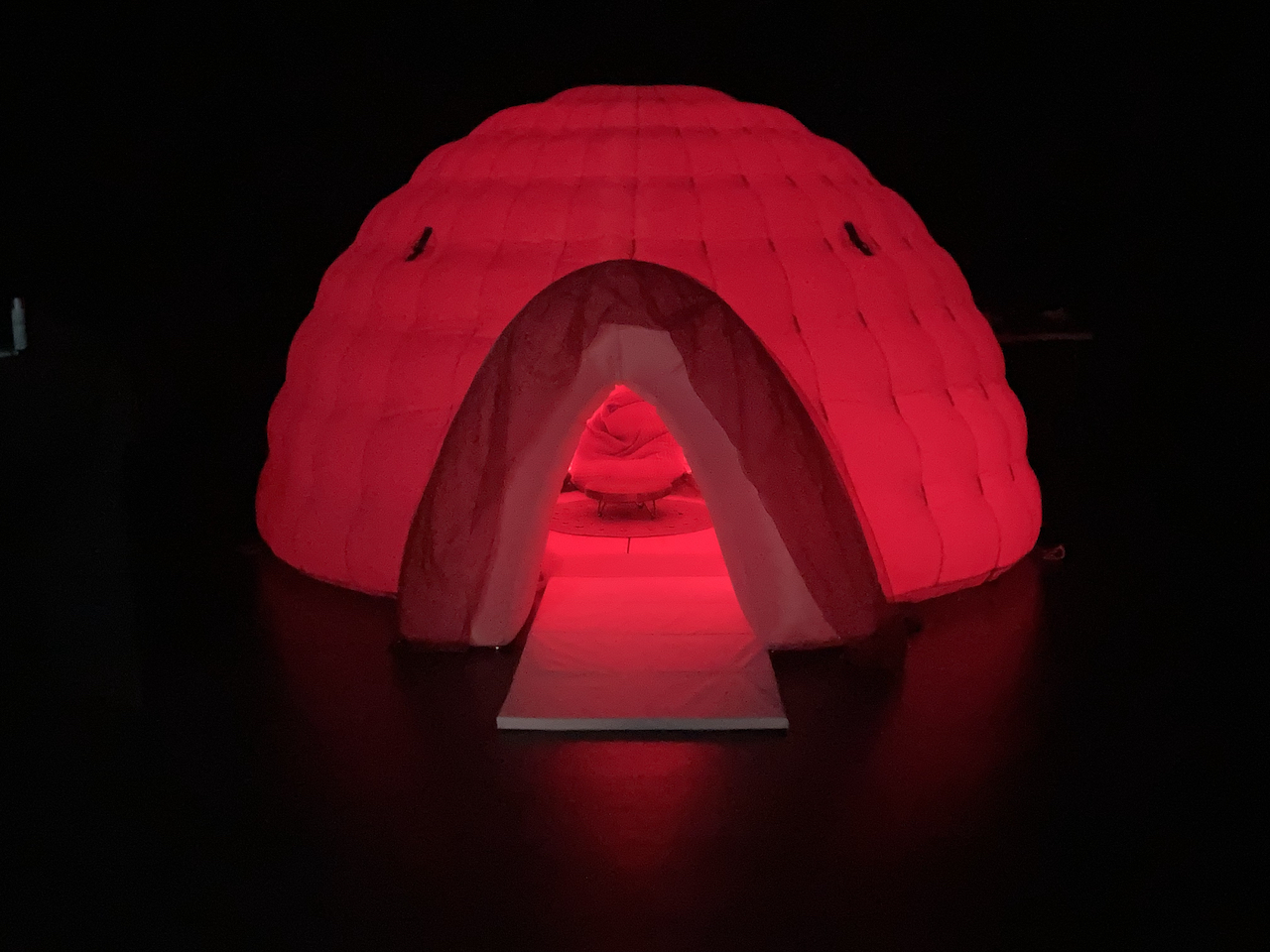
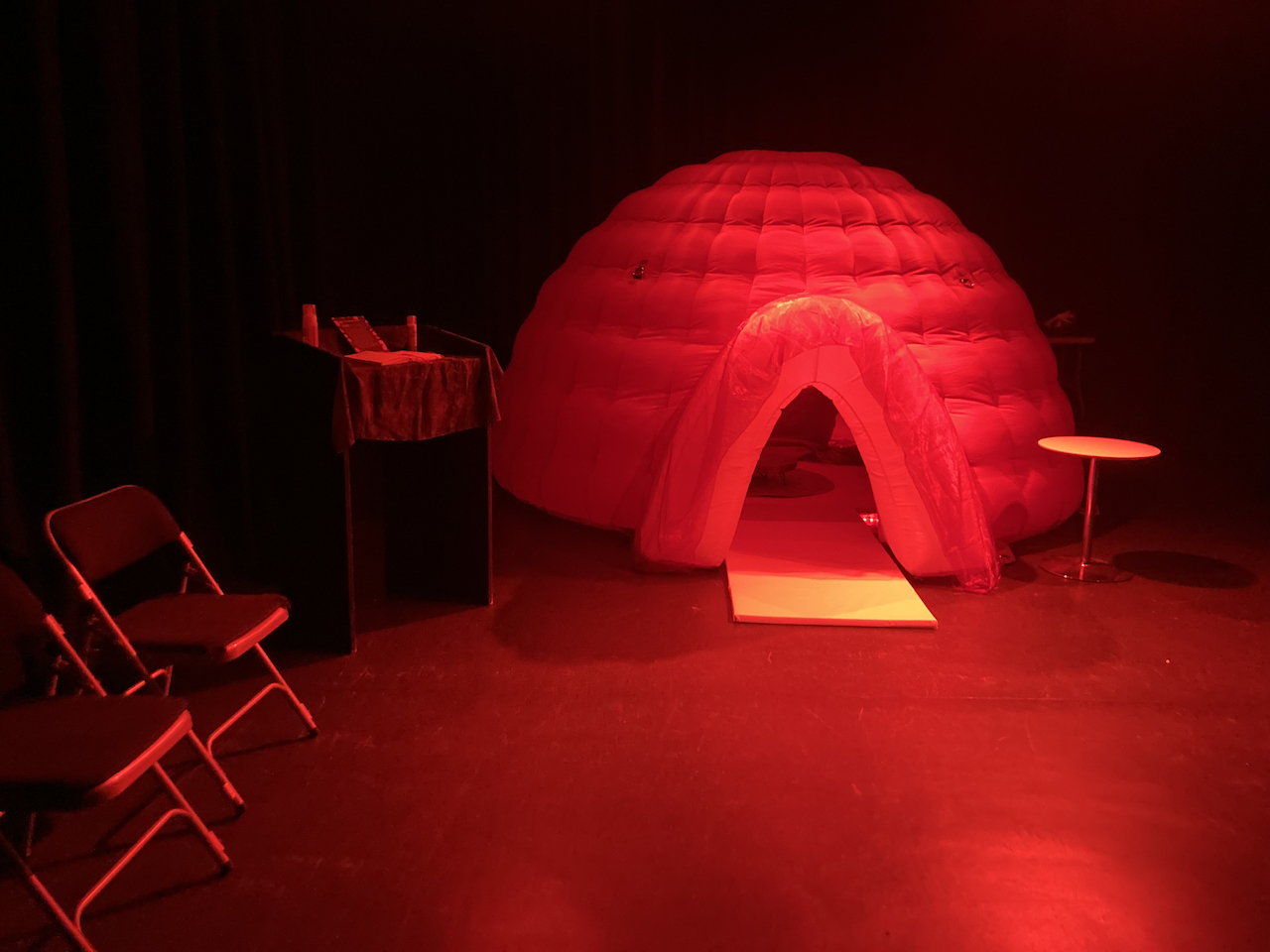
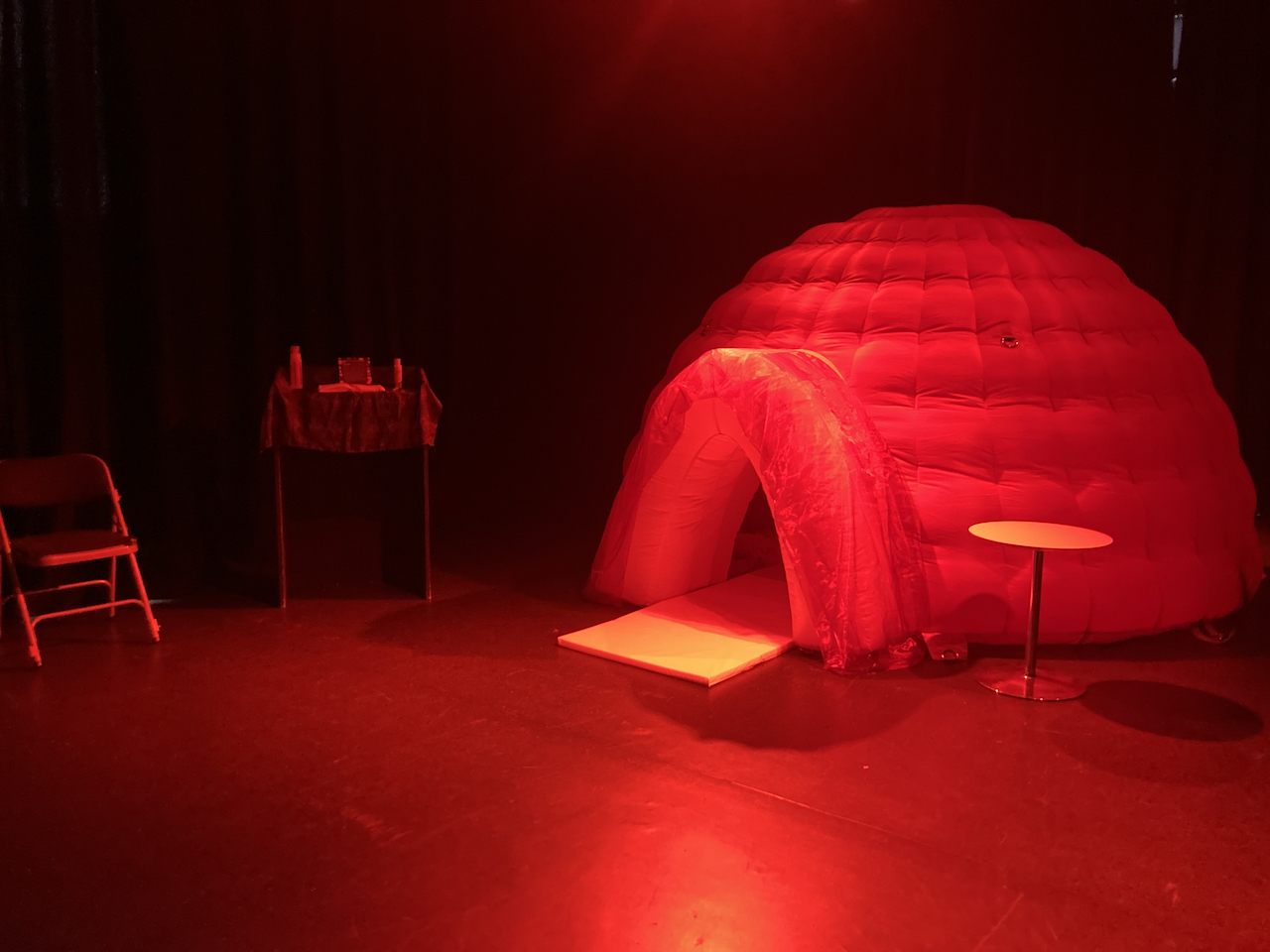
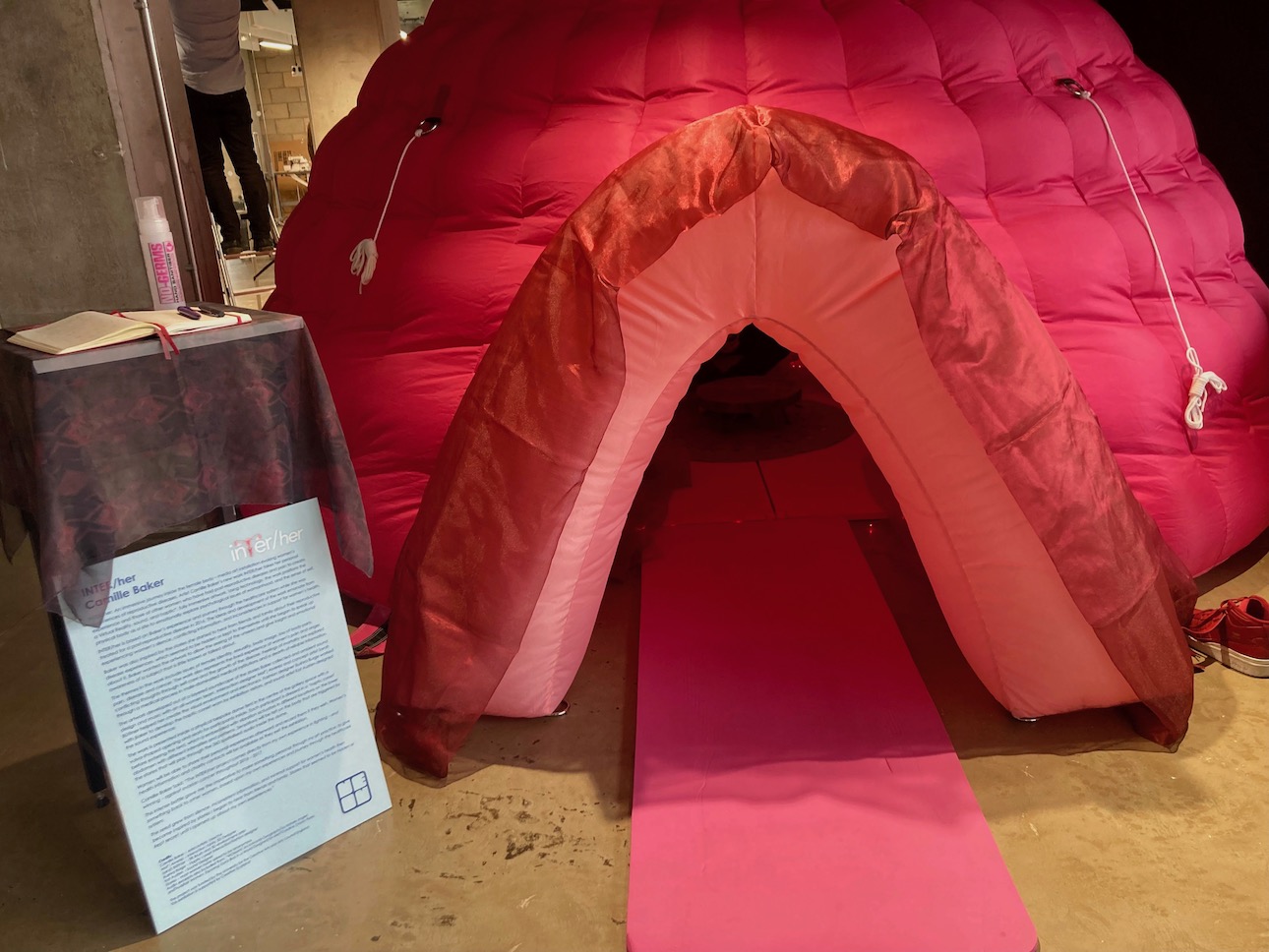
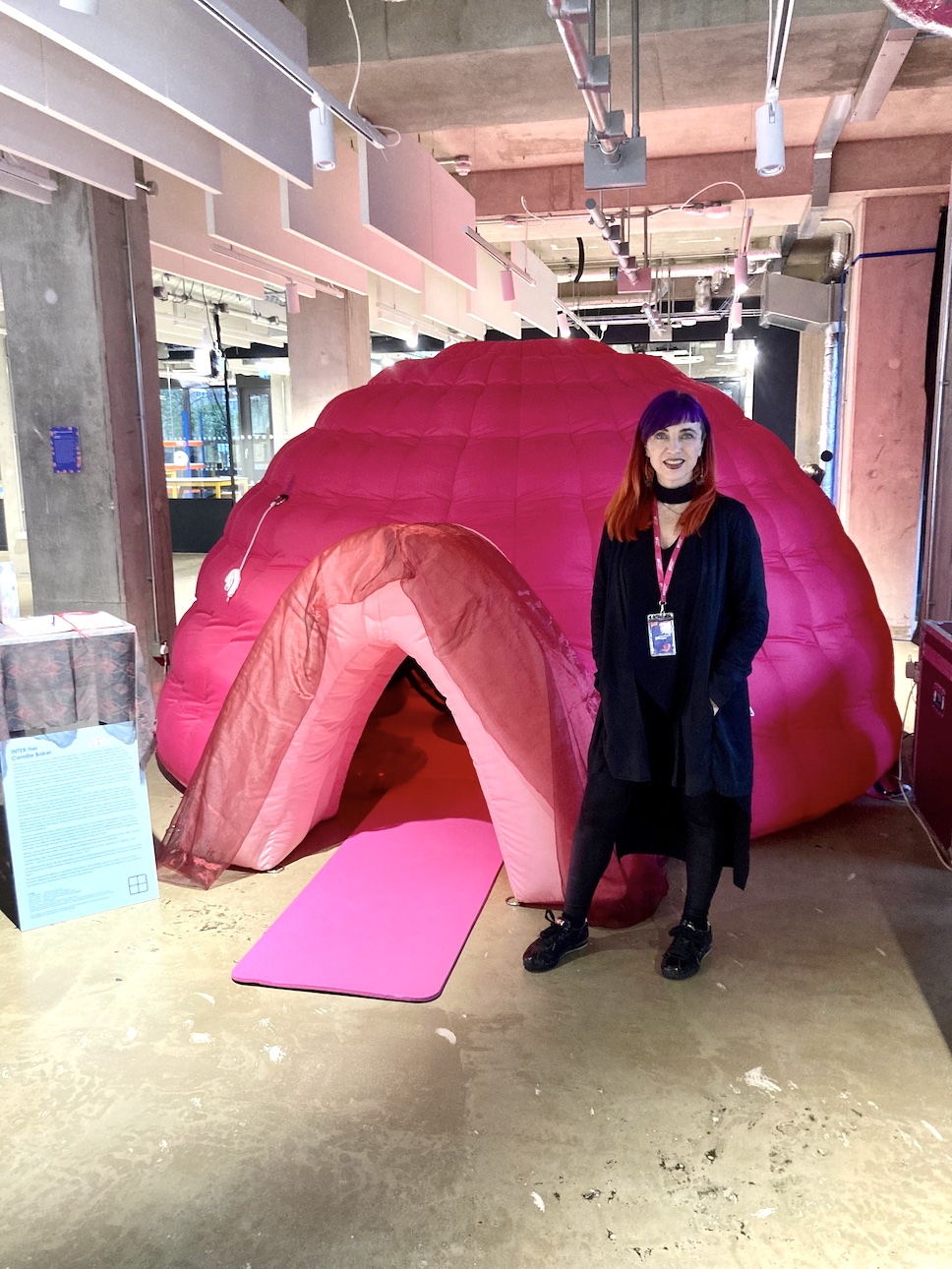
INTER/her

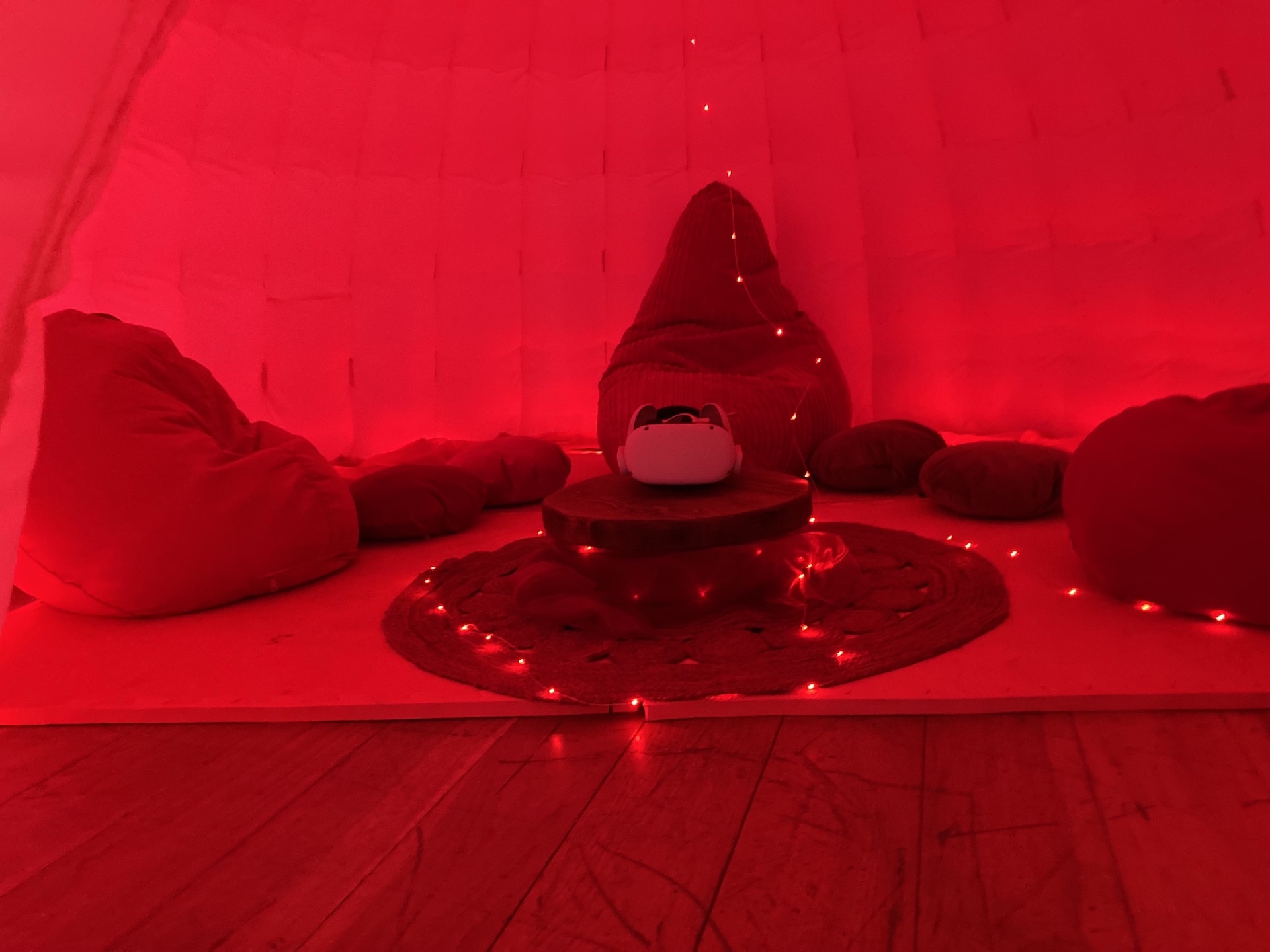
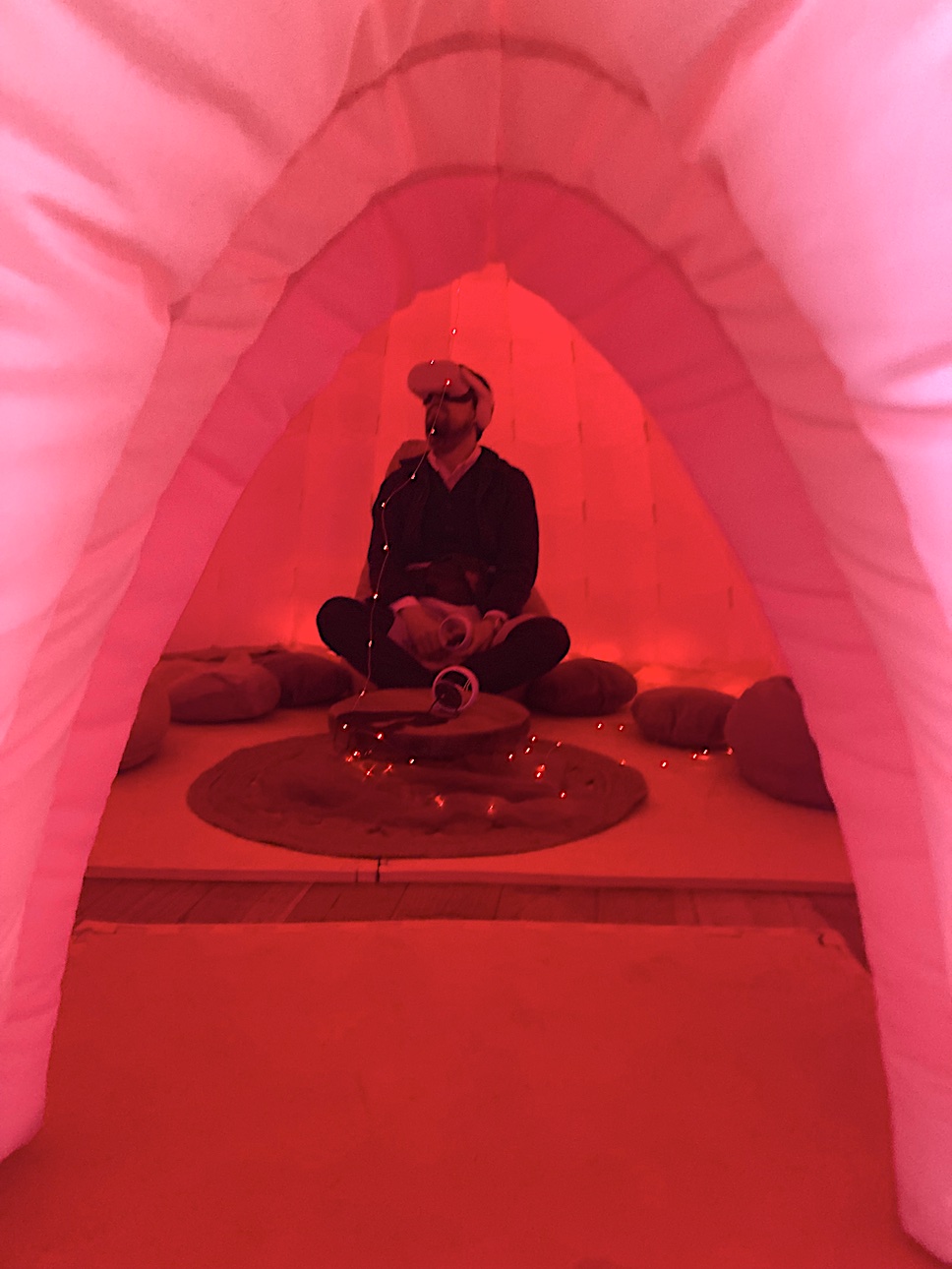
INTER/her: An Intimate Journey Inside the Female Body

> INTER/her website

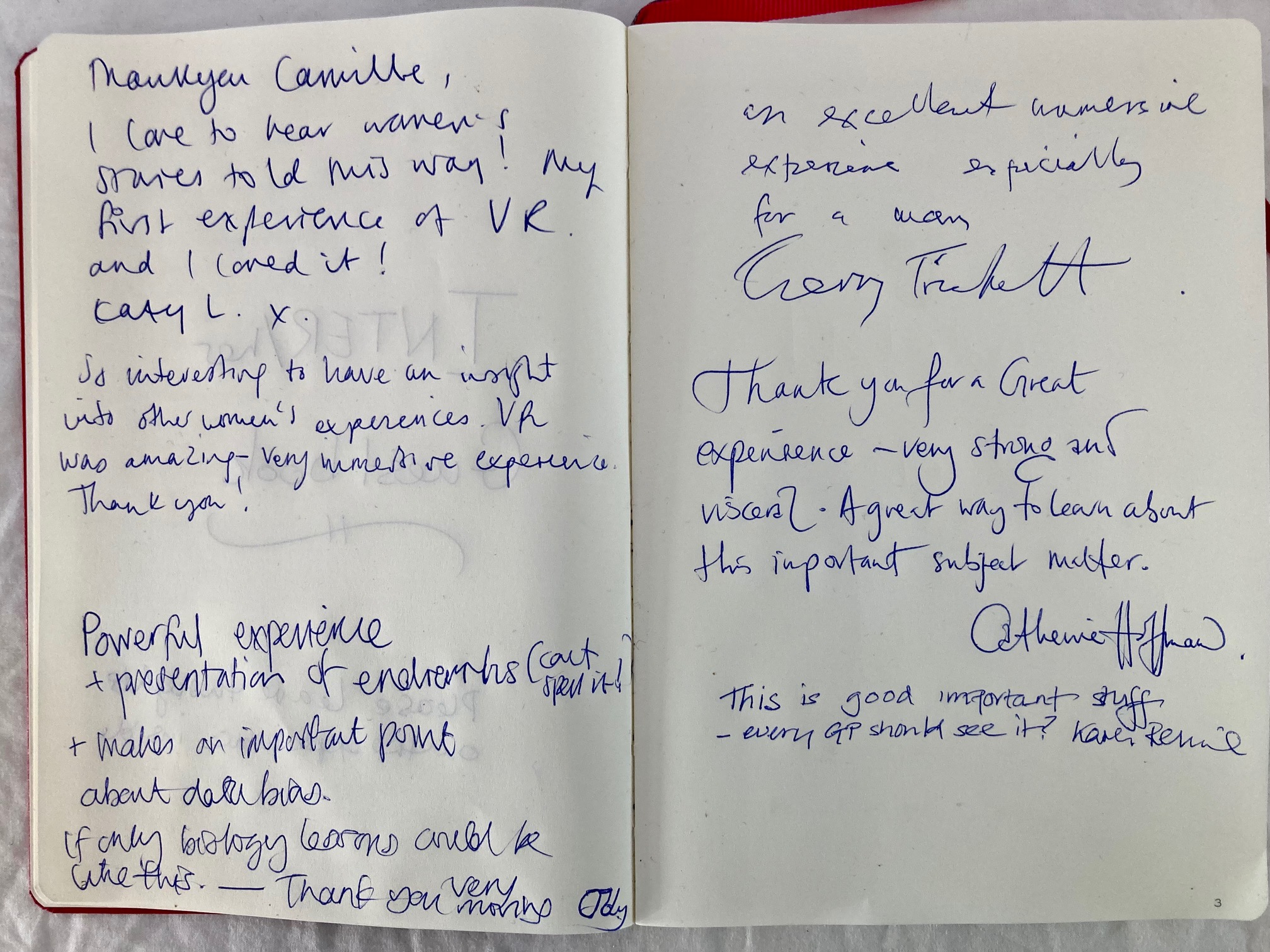
The website for the INTER/her project, designed and maintained by Centre Neptune, is where you can find informaiton on design and motivation, team info, dates for upcoming exhibitions, news articles and testimonials. See also recent article in Design Week Dec 2023

> Mixed Reality in Culture by Mariza Dima

A podcast series on the design of Mixed Reality experiences in cultural settings.

Podcast on the INTER/her and Mammary Mountain projects, interview on February 12, 2024

Season 4 Episode 01- on the Gender Gap in medicine with Camille Baker

> Past Exhibitions

Details online https://frequency.org.uk/events/inter-her/

> At The Drill, Lincoln, Lincolnshire, UK26-28th, 2023

> At The Lincoln Performing Arts Centre October 29th, 2023

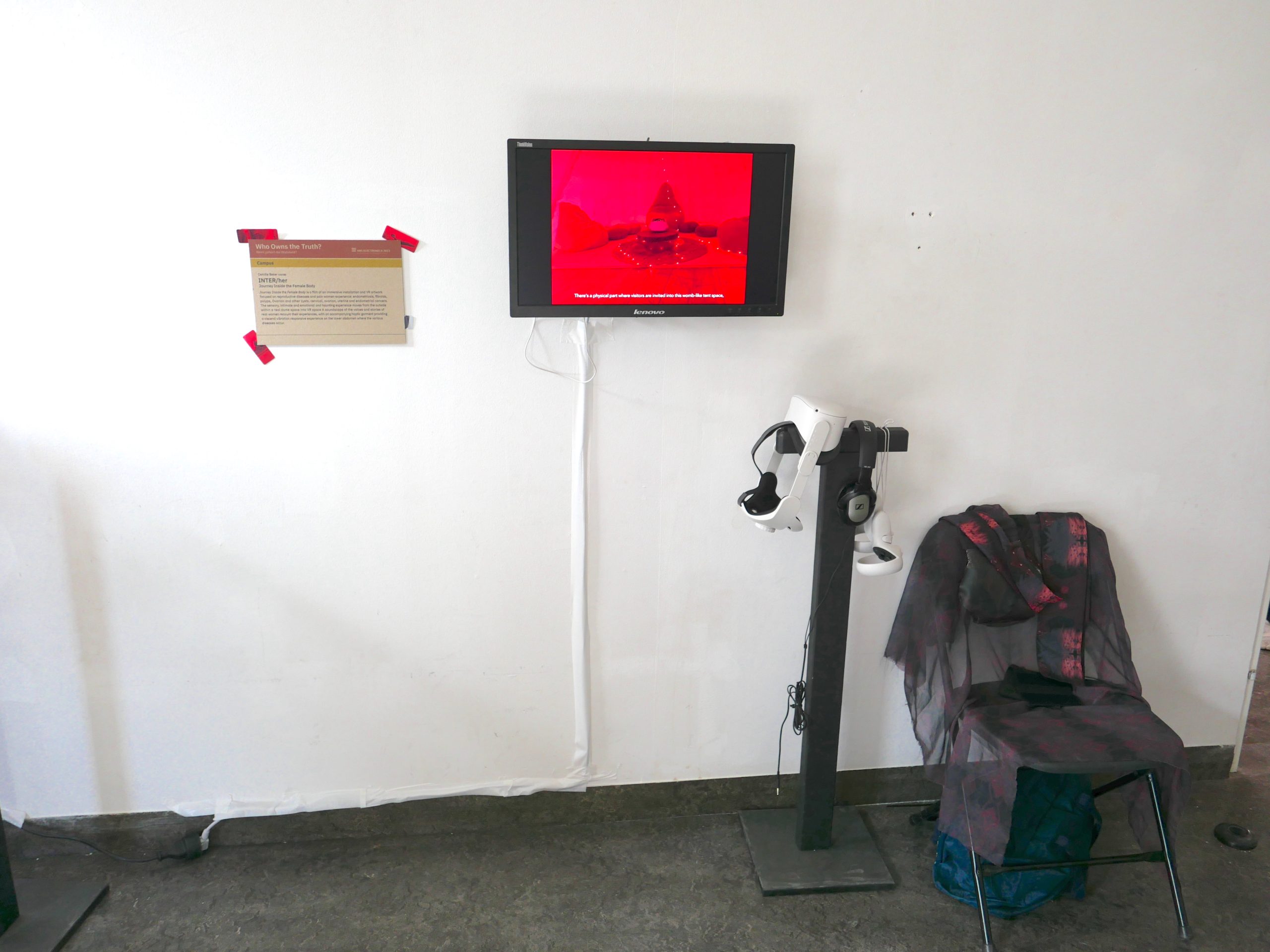
> Ars Electronica 2023, Linz Austria

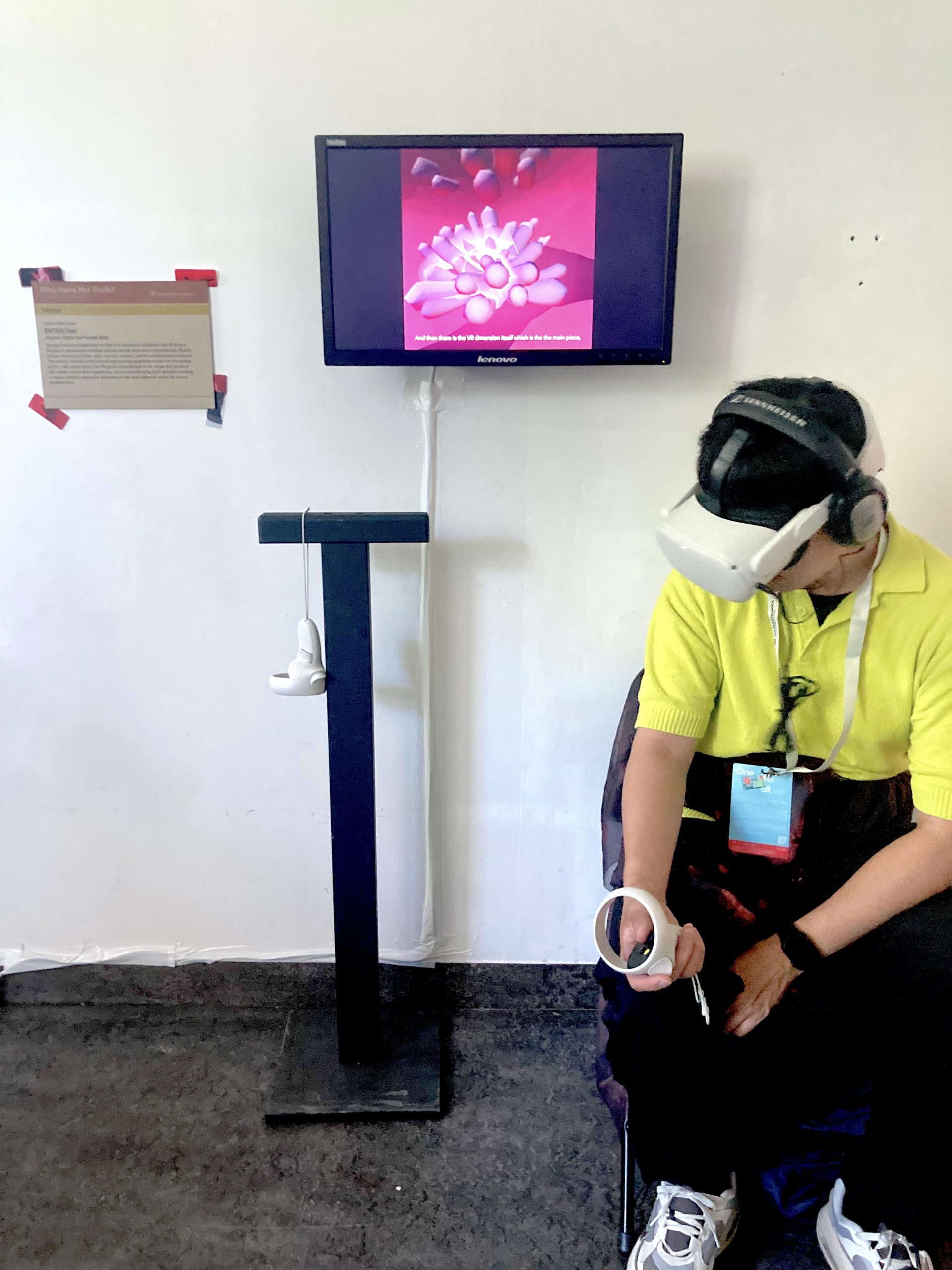
INTER/her with the RCA School of Communication Showcase with students and staff called Digital UnderCommons in the Campus Exhibition as part of the festival theme “Who Owns the Truth?” September 6th-10th, 2023, in Linz, Austria

Info online at

https://ars.electronica.art/who-owns-the-truth/en/digital-undercommons/

https://ars.electronica.art/who-owns-the-truth/en/inter-her/

> South by South West 2023 Austin, Texas

UK House, March 8-13th

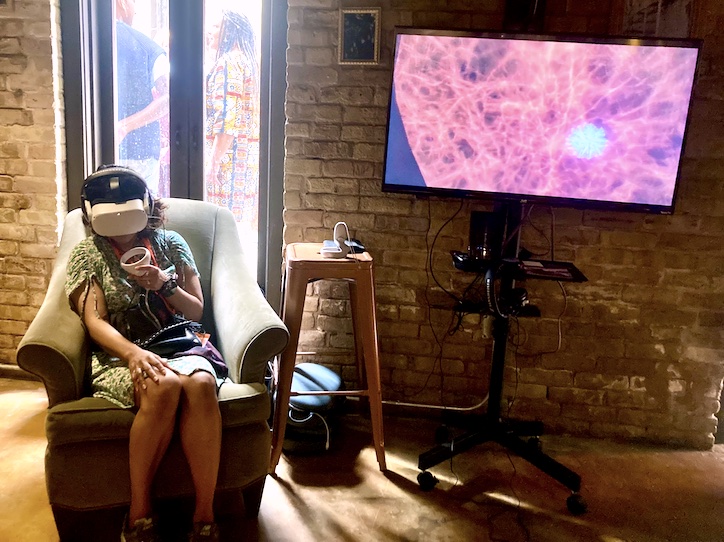
I went to the big music, film and interactive festival in Austin with the School of Communication of the Royal College of Art (since October 2022), and we brought a selection of work of staff and students. I had a short film of INTER/her on display with a headset and the garment for people to try in our area at UK House a partner venue of the SXSW Festival.

Link here https://www.rca.ac.uk/news-and-events/events/meet-the-rca-in-uk-house-sxsw23/

A visitor at UK House SXSW Austin March 2023 – School of Communication, Royal College of Art Showcase
Creative Computing Festival, February 2-5th, 2023

Details online https://www.peckhamdigital.org/artists/2023/camille_baker/

> INTER/her at Peckham Digital

Video introduction on instragram can be found here https://www.instagram.com/peckham_digital/reel/

Art in Flux – Radical Embodiment (15): Carolee Schneemann Film Series Thu 10 Nov 2022, 18:45, Barbican Cinema 3

Details online https://www.barbican.org.uk/whats-on/2022/event/carolee-schneemann-art-in-flux-radical-embodiment

> INTER/her Barbican Film

INTER/her Mini-Documentary

This is mini-doc about INTER/her created for a showing at the Barbican Arts Centre Cinema on November 11, 2022 as part of the Art in Flux – Radical Embodiment: Carolee Schneemann Film Series

> INTER/her was showcased as part fo the Extended Senses Symposium, in a collaboration between the University for the Creative Arts and the University of Greenwich September 8th, 9th and 10th at University of Greenwich’s Stephen Lawrence Gallery

See info here https://www.extendedsenses22.co.uk/team-4-2

In the TV studio at University of Greenwich

> INTER/her past exhibitions

INTER/her Project at ArtSci Salon | Camille Baker PhD
A Hub for the Arts & Science communities in Toronto and Beyond

Who Cares? Technologies and /of /with Care – speakers series and exhibitions, Exhibition Opening Thursday, April 7th until April 28th, 2022, Ivey Library, New College, 20 Willcox Street, Toronto, Canada

Details https://artscisalon.com/who-cares/camille-baker/

See also the speaker series recorded talk from 25 Mar 2022 on Youtube below

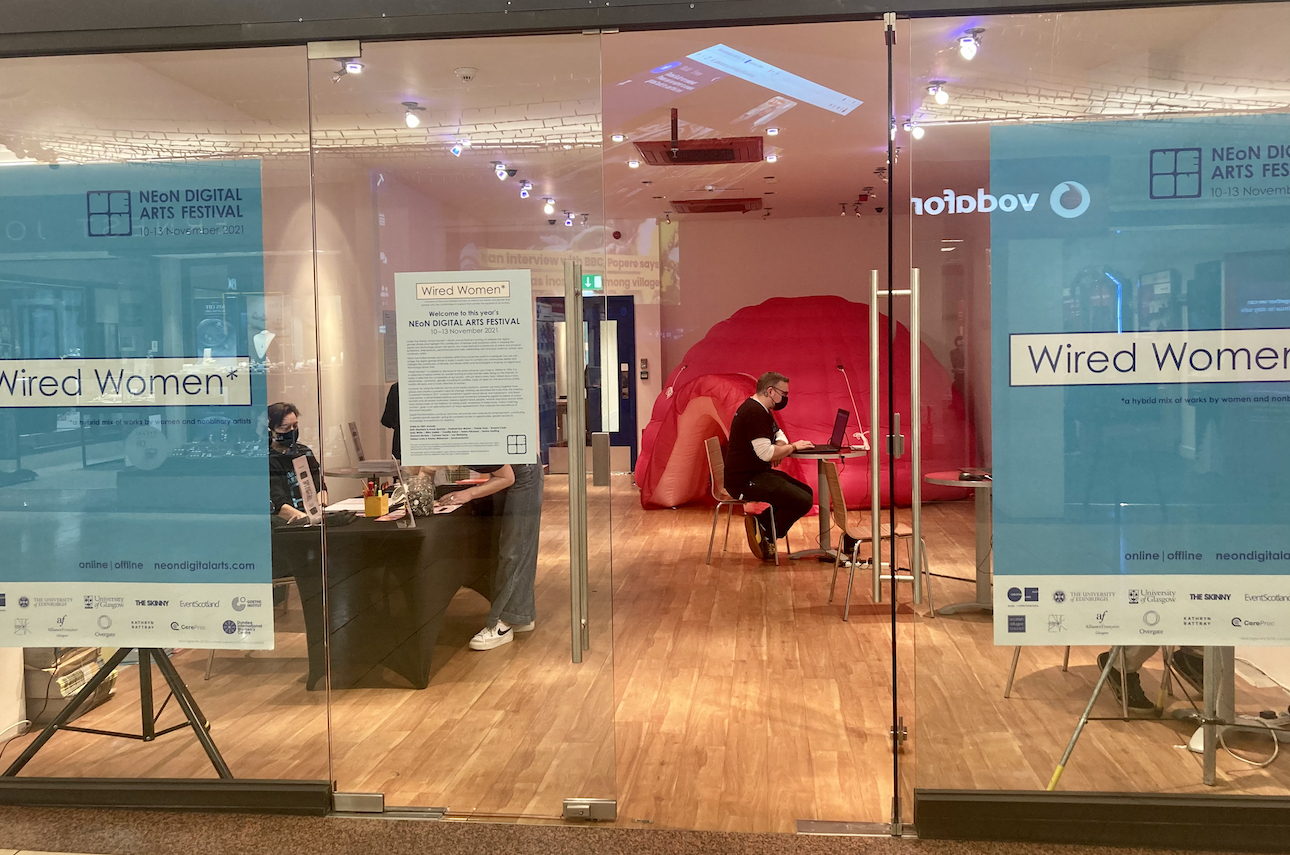
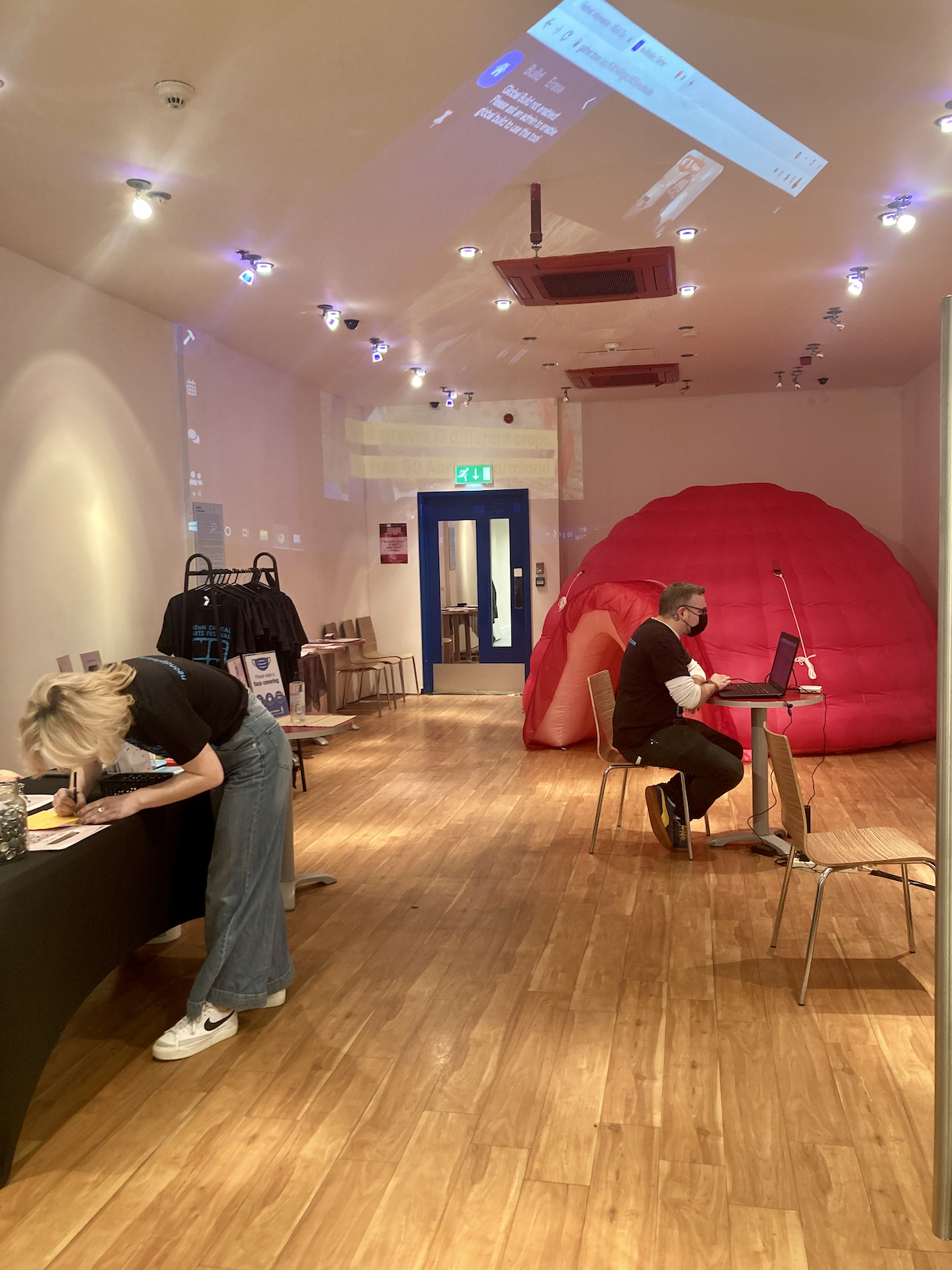
NeOn Festival, November 10th-14th, 2021, Overgate Mall, Dundee, online https://neondigitalarts.com/event/inter-her/

> INTER/her NEon /

Video Interviews with the Dundee Courier can be found online at https://jwp.io/s/8TUzZ913 and https://jwp.io/s/pERhVeOw

See also Scottish TV clip here https://www.facebook.com/799233017/videos/886188128736399/

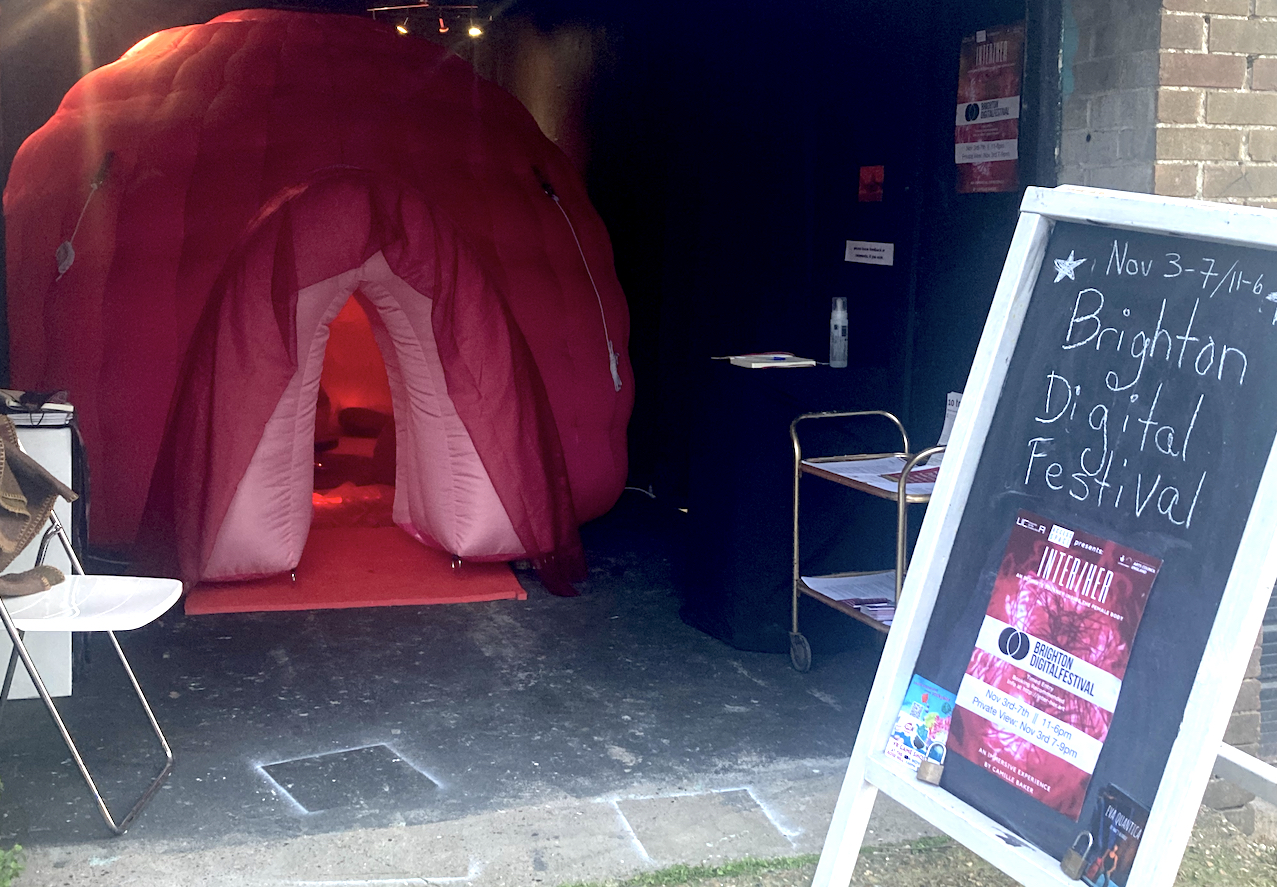
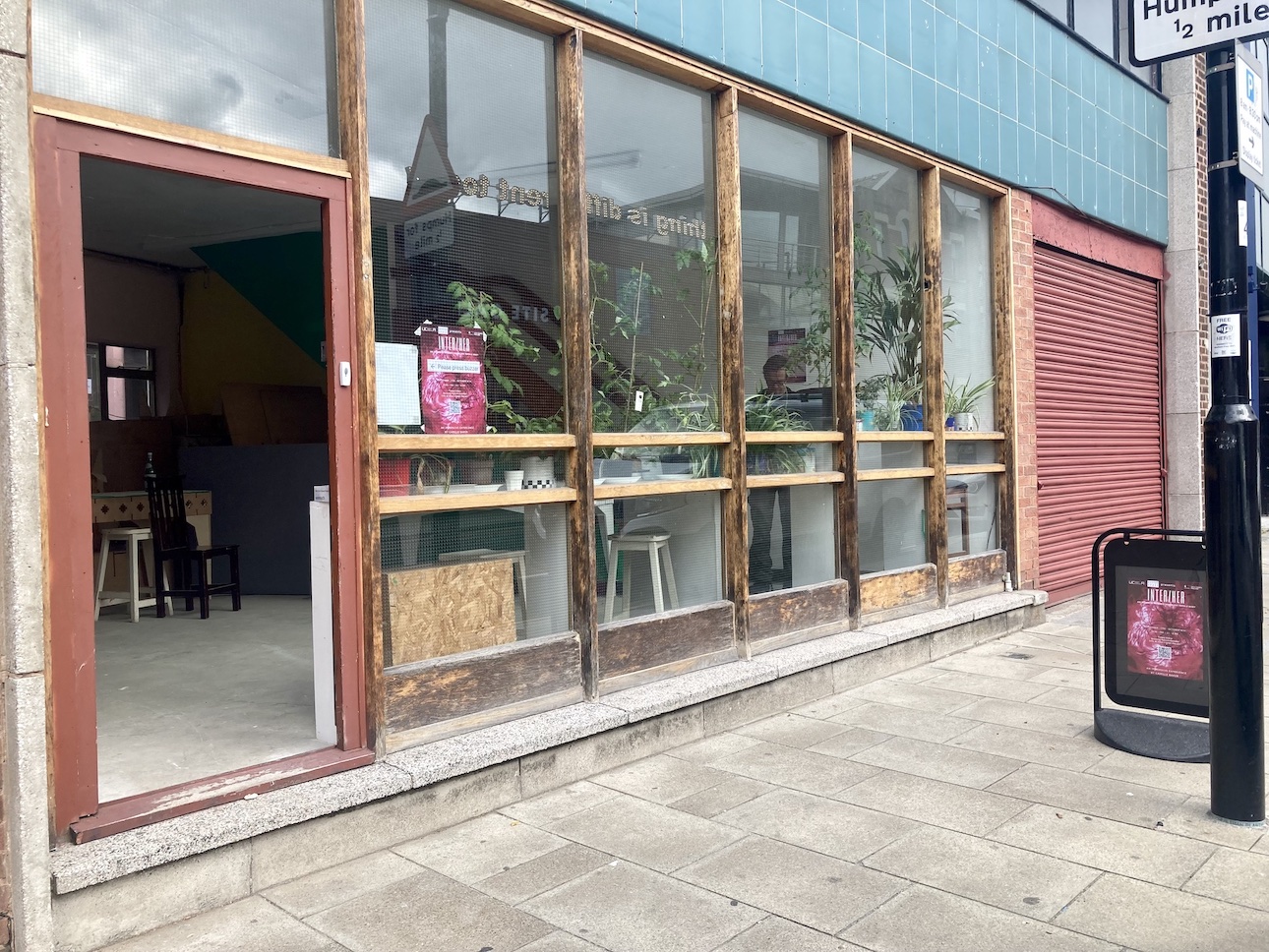
Brighton Digital Festival, November 3rd-7th, 2021, Locked In Gallery, Hove

Details online https://brightondigitalfestival.org.uk/events/inter-her

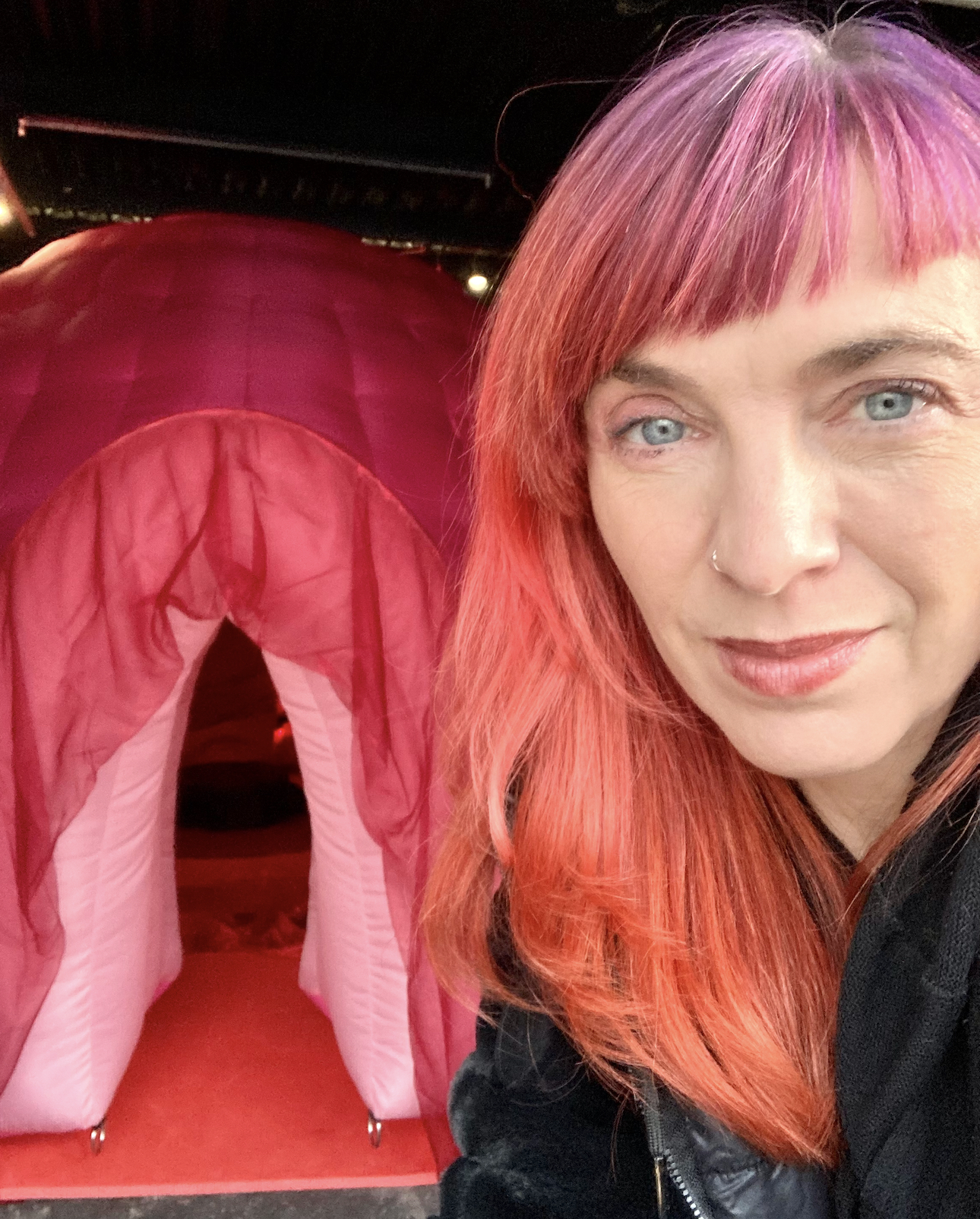
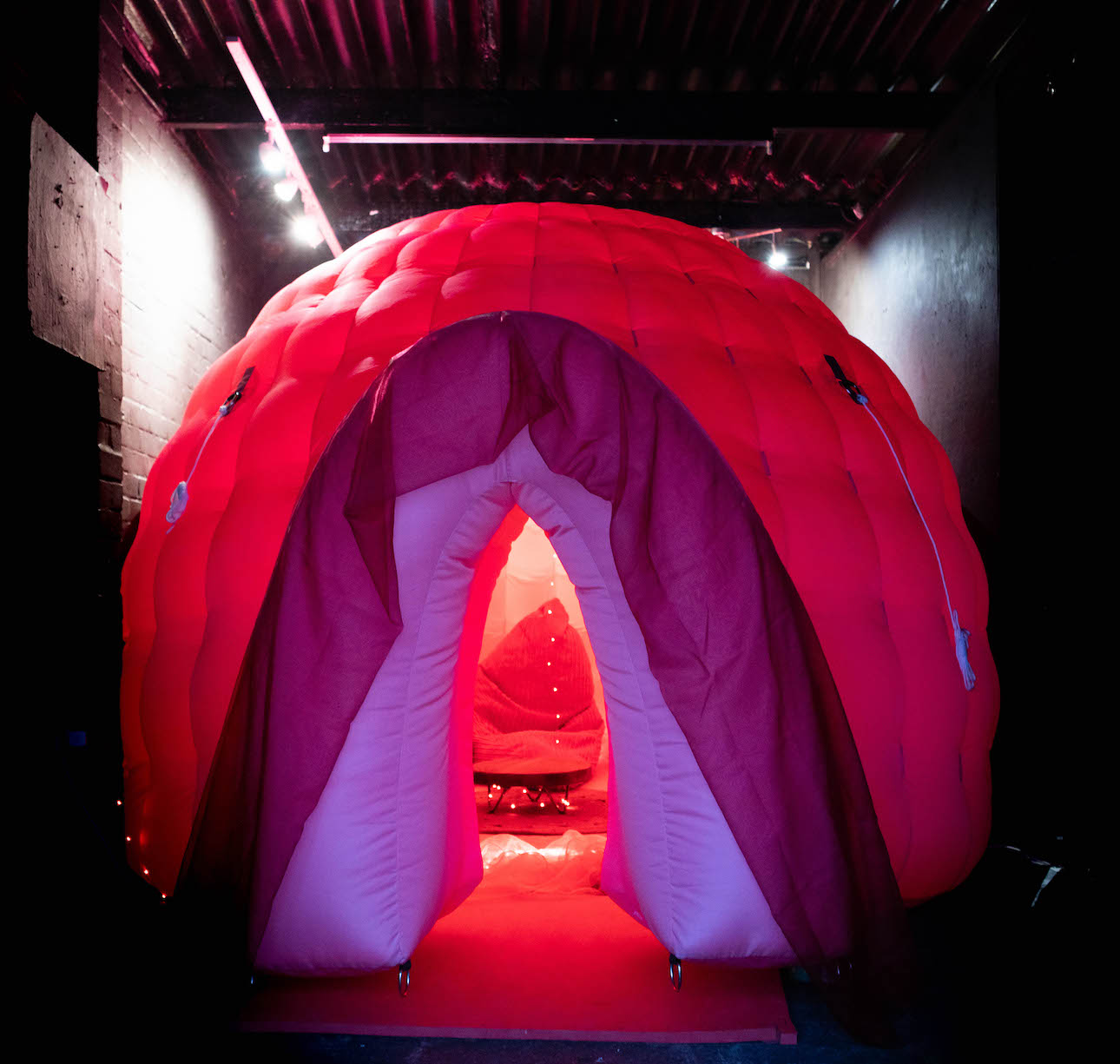
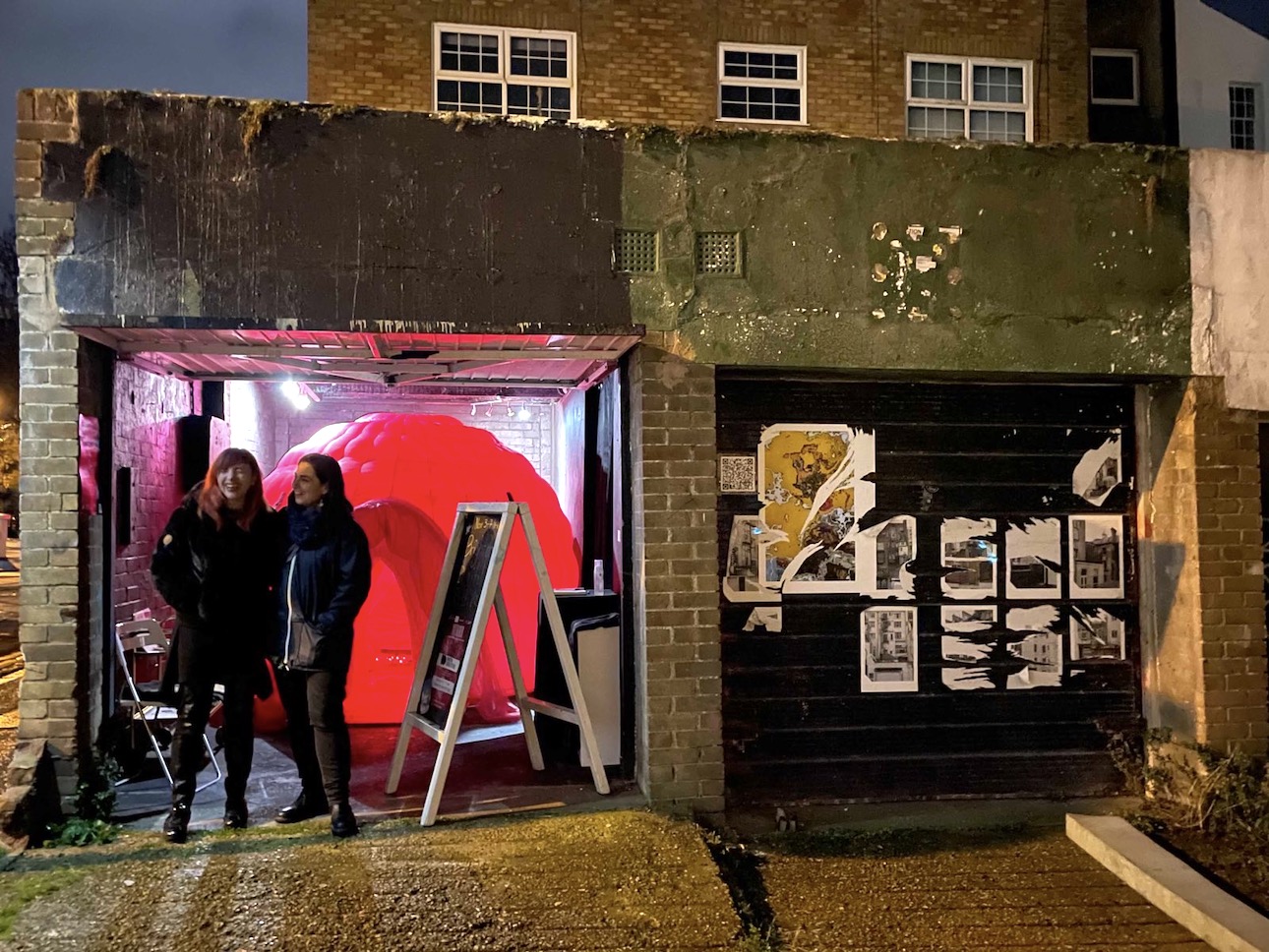
> INTER/her Brighton Gallery

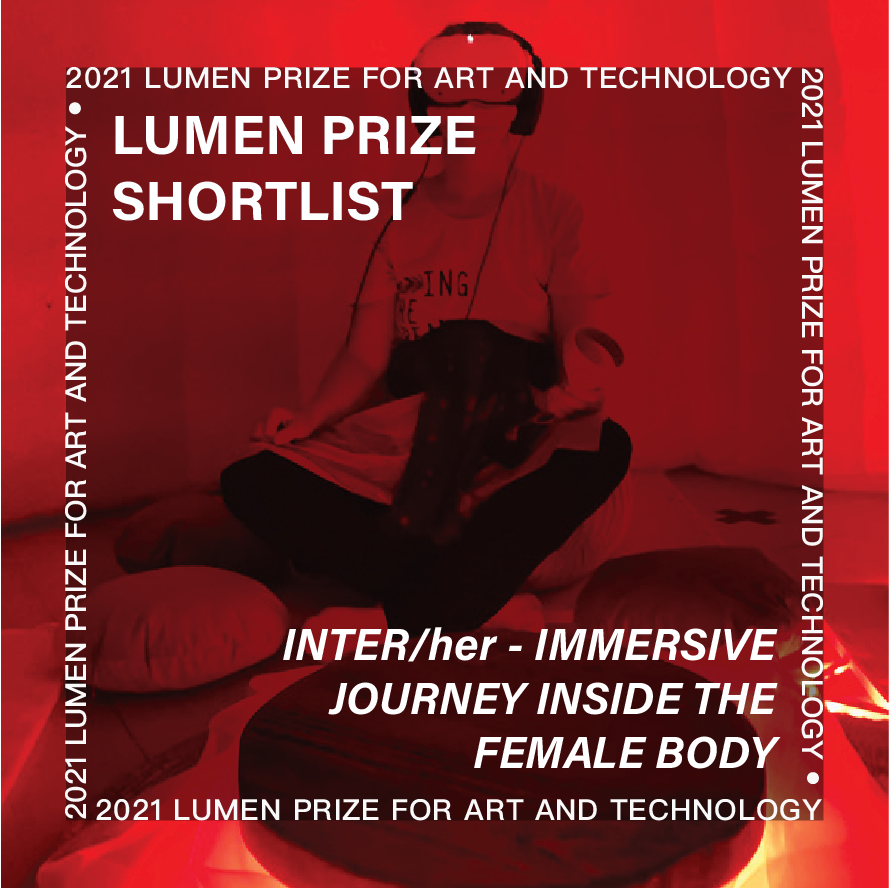
> INTER/her longlisted in August and then shortlisted in September 2021 for the Lumen Prize 2021 – 3D/Interactive category

https://www.lumenprize.com/2021-3d/interactive-shortlist

> Gallery from exhibition in Sheffield September 15th – October 8th, 2021

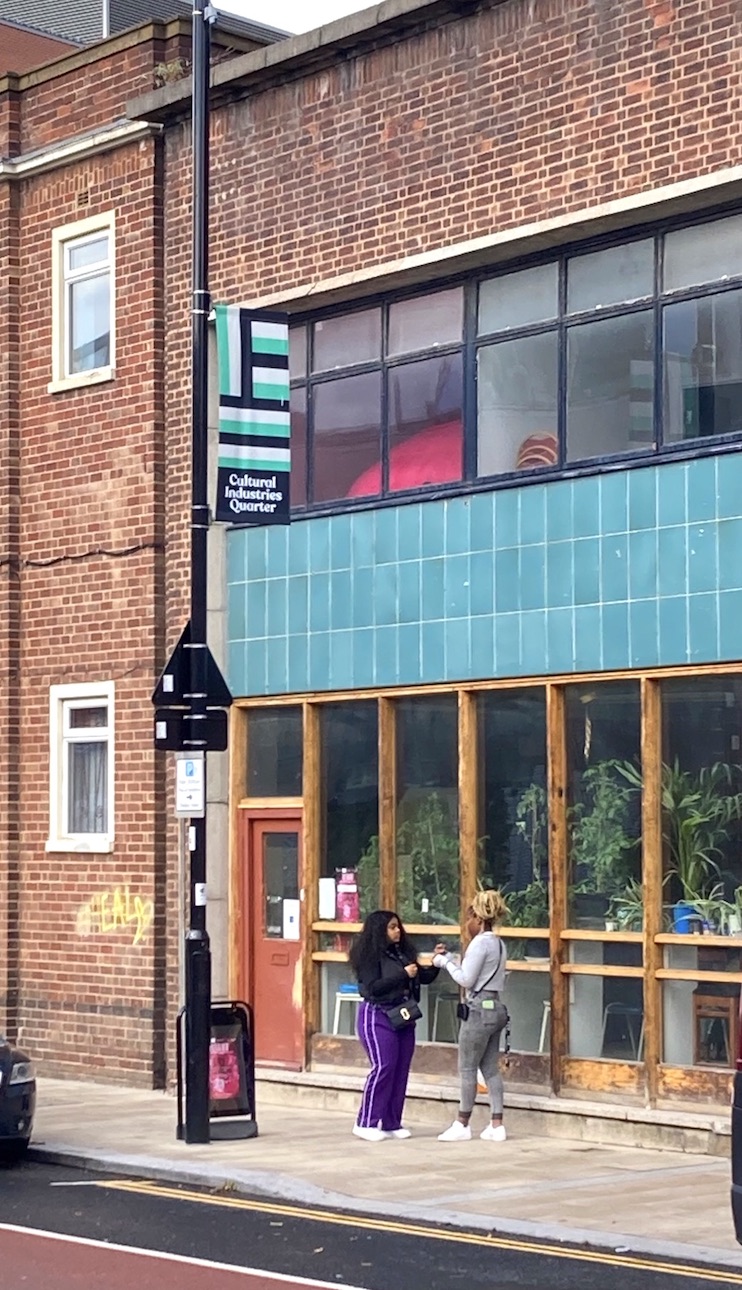
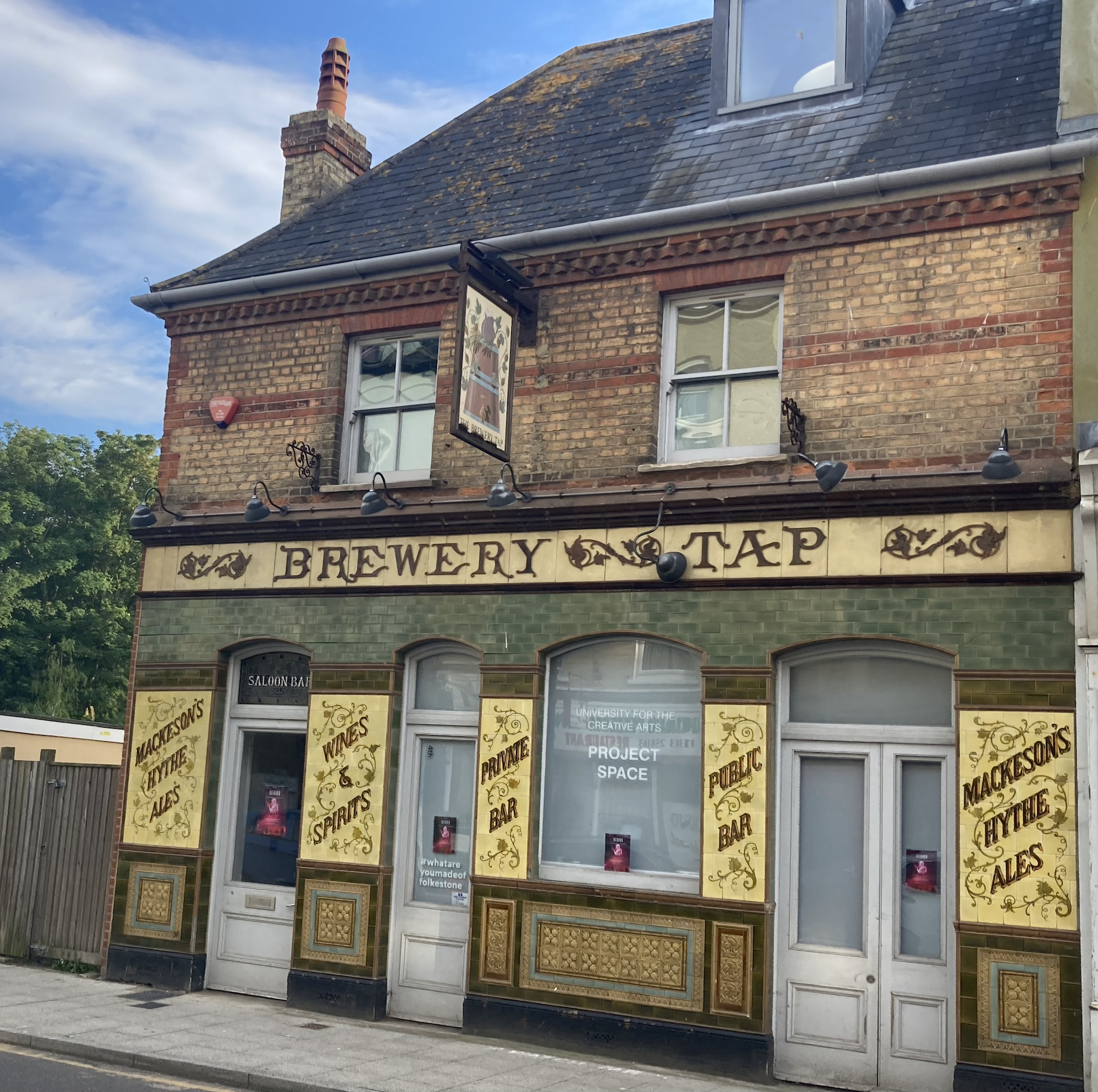
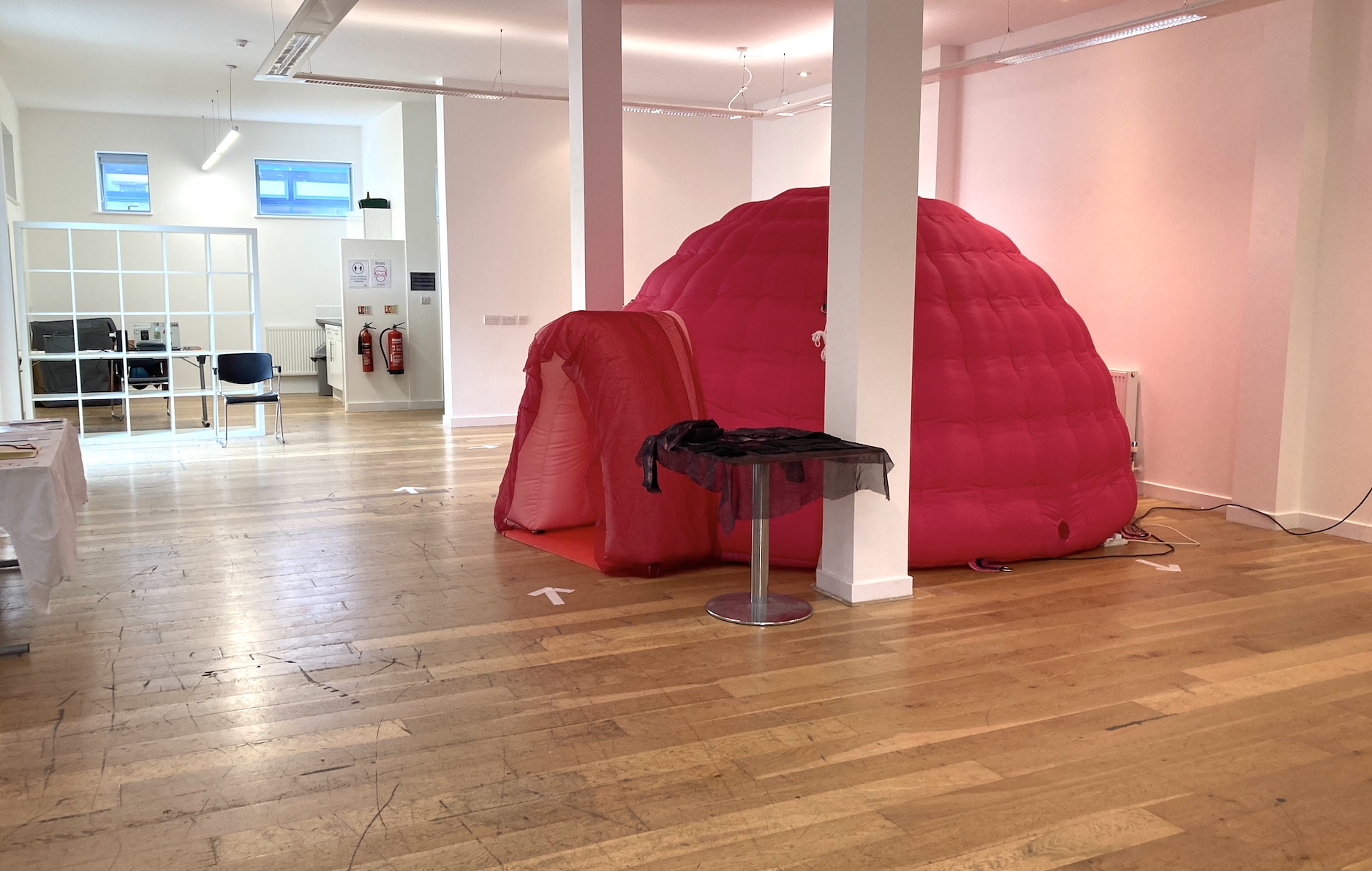
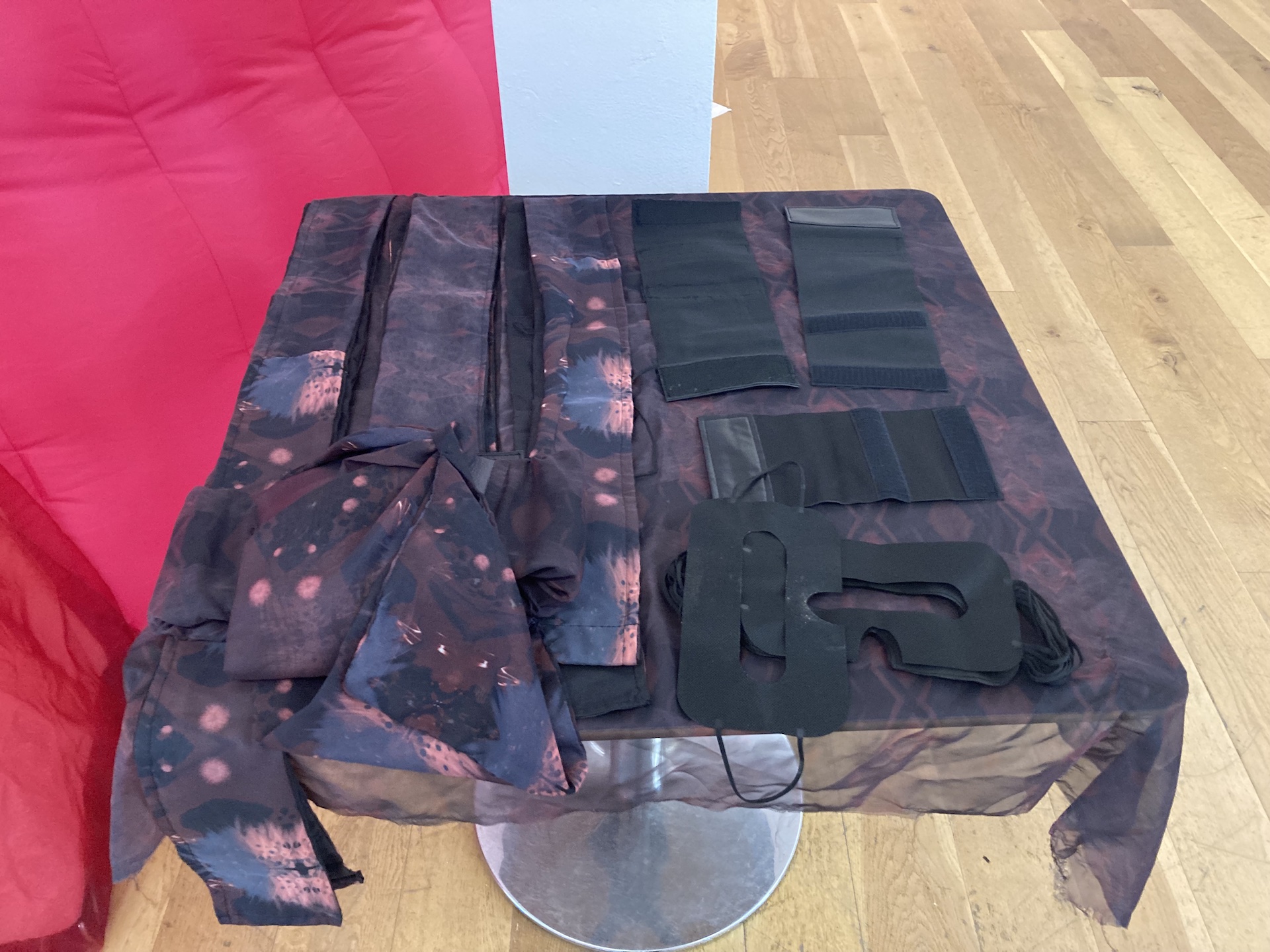
> And from exhibition at the Brewery Tap Project Space Gallery, Folkestone from June 23rd-July 6th, 2021

> INTER/her website

The new website for the INTER/her project was launched on 3rd April 2021. Big thanks to Centre Neptune for the design & build. All future information regarding the project can be found there, including installation locations, dates and visiting times. Hope to see you there.

INTER/her Project | Camille Baker Ph.D

> Online Exhibition / Promotion

INTER/her is participating in a group virtual exhibition called Art in Flux: Reclaimed, celebrating some of the most radical and innovative media artists of our times. Online from March 30th to April 30th, 2021

Also see the project profile on the crowd funding site Artizen here

> Videos

Draft version of the vaginal canal with Endometriosis by collaborator Sarah Büttner (October 2020)

A talk by collaborator Maf’j Alverez (July 2020) on the prototyping of the early exploration and research phase of the project.

> Gallery

> Timeline

2019 – 2021

> Collaborators

  • Camille Baker – Artist/Artistic Director
  • Maf’j Alverez – Unity Interaction Designer & 3D Artist
  • Kat Austen – Sound Designer
  • Sarah Büttner – Tiltbrush / 3D Object Artist
  • Andy Baker – extra Unity programming advice
  • Paul Hayes – additional electronics construction & finishing for haptic corset

> Abstract

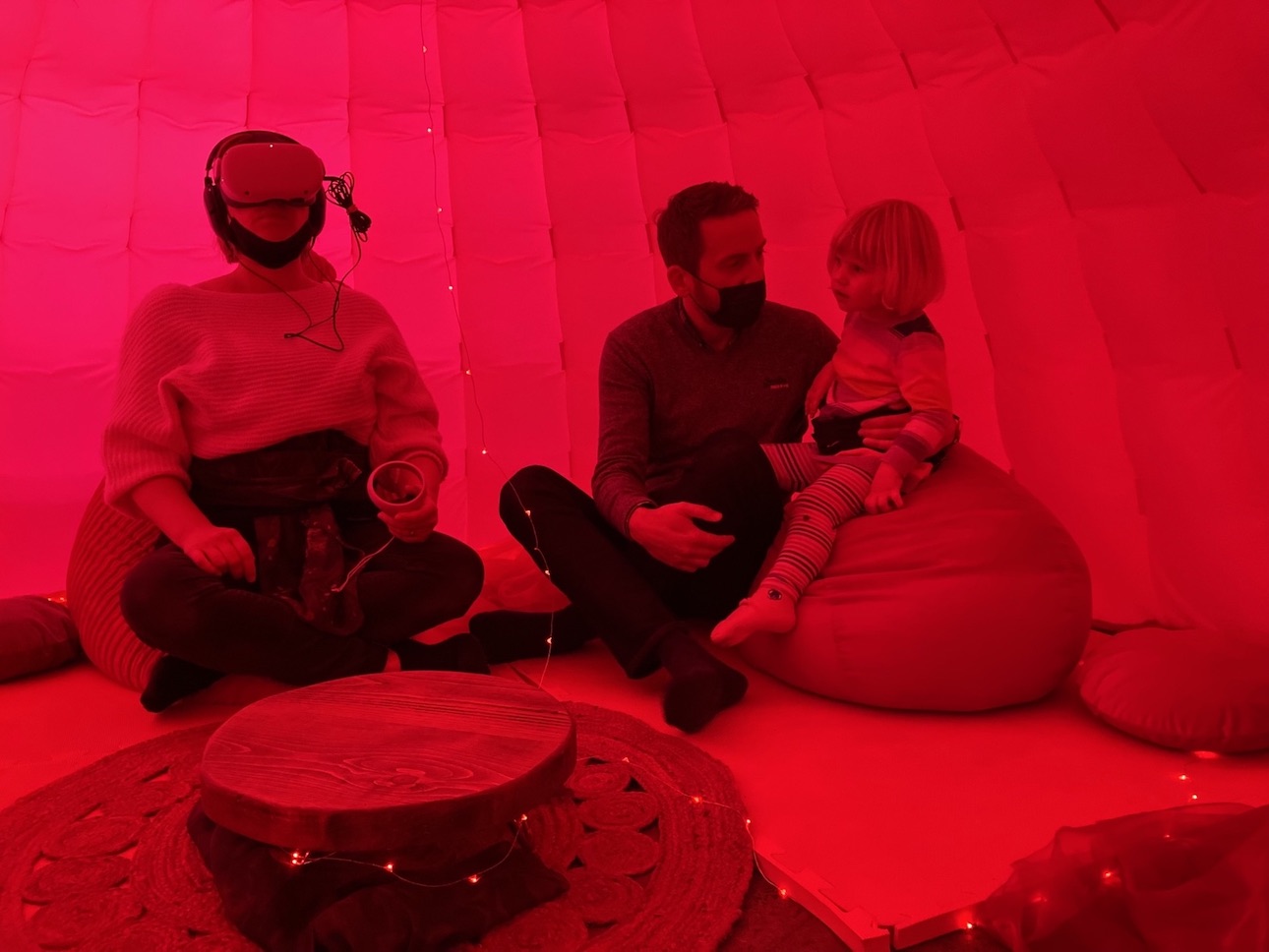
INTER/her is an intimate, immersive and VR installation that explores of the inner world of over 40’s women’s bodies and the reproductive diseases they suffer: endometriosis, fibroids, polyps, Ovarian and other cysts, cervical, ovarian, uterine and endometrial cancers and the lack of clear medical information/ support they face.

INTER/her is explored through a feminist lens, as personal exploration, public education, and community building, positioning the physical body as a site to explore psychological issues of womanhood, identity and the sense of self, exploring the body. 

> Partners

  • Arts Council England
  • UCA / University for the Creative Arts
  • Access Space Sheffield

> Budget / Funding

  • £15,000 ACE Aug 2020-May 2021
  • £2,485 / UCA, 2019/20 (Round 1) UCA
  • £2,000 / UCA, 2020/21 (Round 2) UCA

> Outcomes / Impact

  1. Prototype phase completed December 2019-Auust 2020
  2. Phase two – production and exhibition September 2020 – May 2021
  3. Touring from June 2021 to October 2023
  4. Academic papers and Conference talks from October 2021 to present.

INTERher has toured around the UK and Canada since July 2021 to present it – all the exhibitions listed above confirm this.

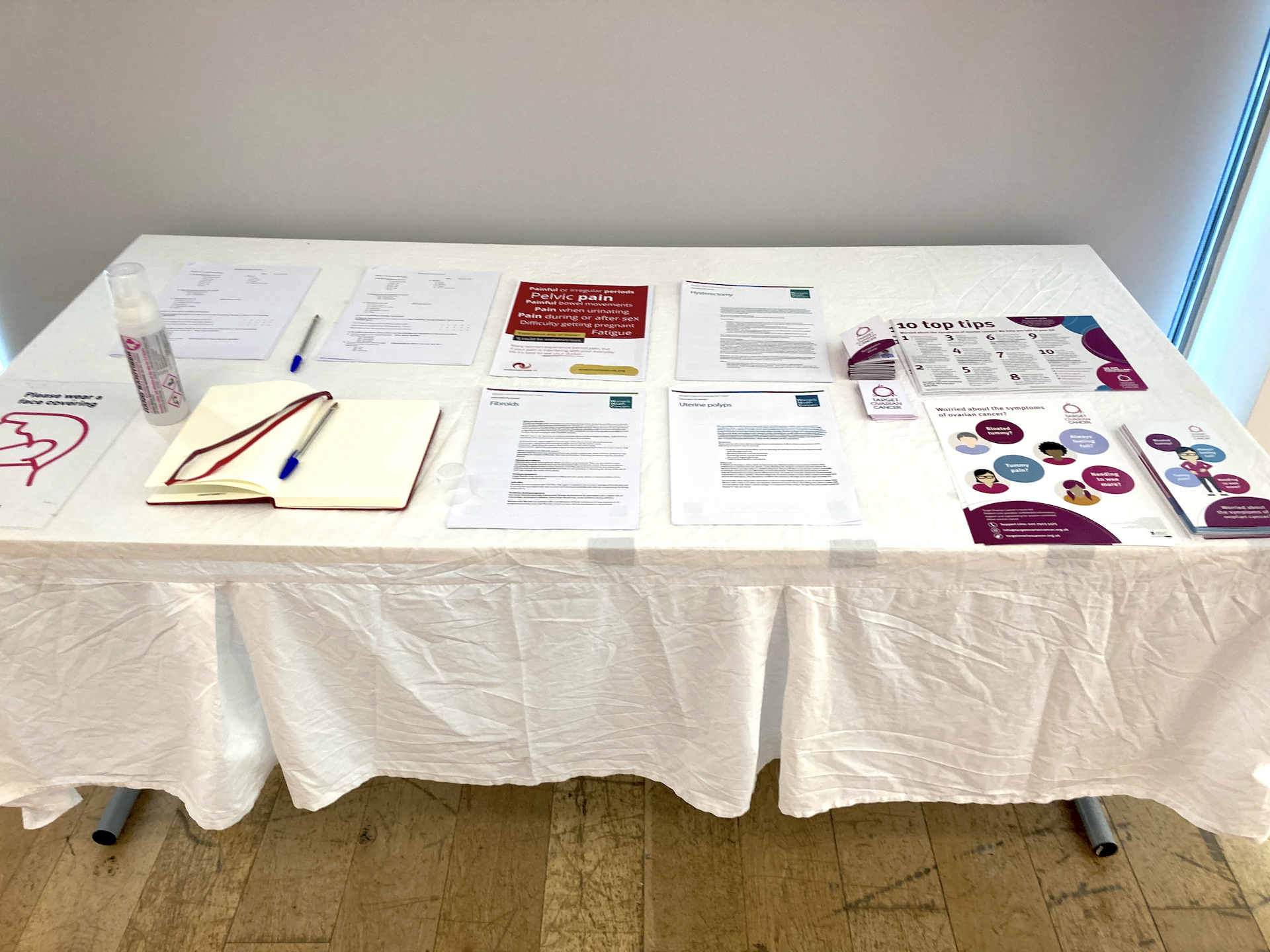
Now I am looking for new avenues for moving the project into schools, gynaecology clinics and GP surguries to help better inform women on self care, self advocacy, illness prevention and to help clinicians with earlier, more timely detection of reproductive illnesses and growths causing pain and dysfunction for women, and in some cases loss of income and long-term or fatal illnesses.

e-stitches

> Update

Lucie Hernadez and Sarah Robertson too over running e-stitches in summer 2023 and updates in it can be found on instagram at https://www.instagram.com/estitcheslondon/ and on Facebook here https://www.facebook.com/groups/estitchesLondon/.

Sadly, the website https://www.e-stitches.co.uk/ has not been renewed or updated since 2023. But other updates can be found on Lucie’s website here https://touchcraft.org.uk/e-stitches-collective/

> Meetup Galleries 2014 – Present

> Timeline

November 2014 – Present

> Past Presenters

  • Amy Winters
  • Brook Roberts
  • Michele Danjoux
  • Johannes Birringer (2nd event)
  • Kristina Dimitrova
  • Berit Greinke
  • Annie Lynwood
  • Lyndsey Caulder & Sarah Robertson
  • Caroline Yan Zheng
  • Olsen Wolf
  • Priti Veja
  • Giulia Tomasello
  • Emilie Gillies
  • Yulia Salias
  • Olga Noronha
  • Bushra Burge
  • Lesley-Ann Daly
  • Amy Congdon
  • Elena Corchero
  • Marina Castan
  • Aniela Hoitink
  • Sophie Skach
  • Mili Tharakan
  • Becky Stewart
  • Melissa Coleman
  • Maria Paneta
  • Stefanie Posavec & Miriam Quirk
  • Elena Corchero
  • Victoria Geaney
  • Nigel Guèrin-Garrett
  • Marina Toeters
  • Danielle Roberts
  • Maria Almena
  • Rachel Friere
  • Pollie Barden
  • Panja Gobel
  • Francesca Perona
  • Becca Rose
  • Tincuta Heinzel
  • Nicola Woodham
  • Ricardo O’ Nascimento 
  • Caroline McMillan
  • and myself, on my own practice

> Abstract

e-stitches is a gathering for artistic / research / practice sharing, show & tell, workshops & talks, which originally took place every six weeks to two months, and now monthly online since April 2020, on the themes of..

  • Soft circuits & e-textiles
  • Digital fashion
  • wearables and DIY electronics

…and related topics in art, design, research and performance.

The group combines discussion on topical issues around these technologies, along with show-and-tell opportunities for participants to show their current work, with occasional hands-on skills-building workshops with expert designers, in a causal meet-up format, with an additional aim to bring other London-based artistic, industry and academic groups together. 

This is a non-profit, non-registered, voluntary organisation since 2014 

> Partners

  • Lucie Hernadez adn Sarah Robertson (organisers since 2023)
  • Camille Baker – Founder & Organiser (until 2023)
  • Melissa Coleman – Co-Founder & Co-Organiser (Jan 2015 – Feb 2020)
  • Irini Papadimitriou – Co-Organiser (Nov 2014 – Jul 2018)
  • Emilie Giles – Co-Organiser (Apr 2020 – 2023)

> Budget / Funding

None. All funding in-kind or volunteer.

> Outcomes / Impact

e-stitches aims to evolve one day into a cross-disciplinary, cross institutional research & development lab, and advocacy group.

Currently we have almost 200 members, and have hosted more than sixty designers and innovators presenting their work and sharing their skills.

The WEAR Sustain project was spawned from this meetup group and many of the mentors and recipient designers that were involved in WEAR Sustain came from this group.

STARTS Ecosystem

> STARTS Ecosystem

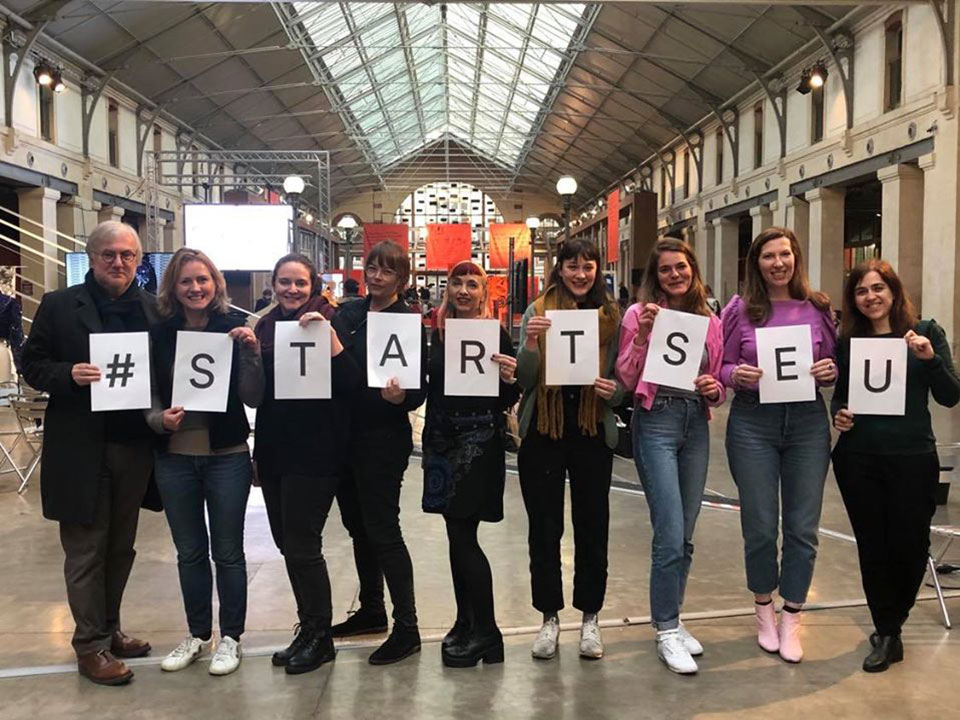
Community Engagement to support the European Commission STARTS (Science, Technology & the Arts) initiative. 

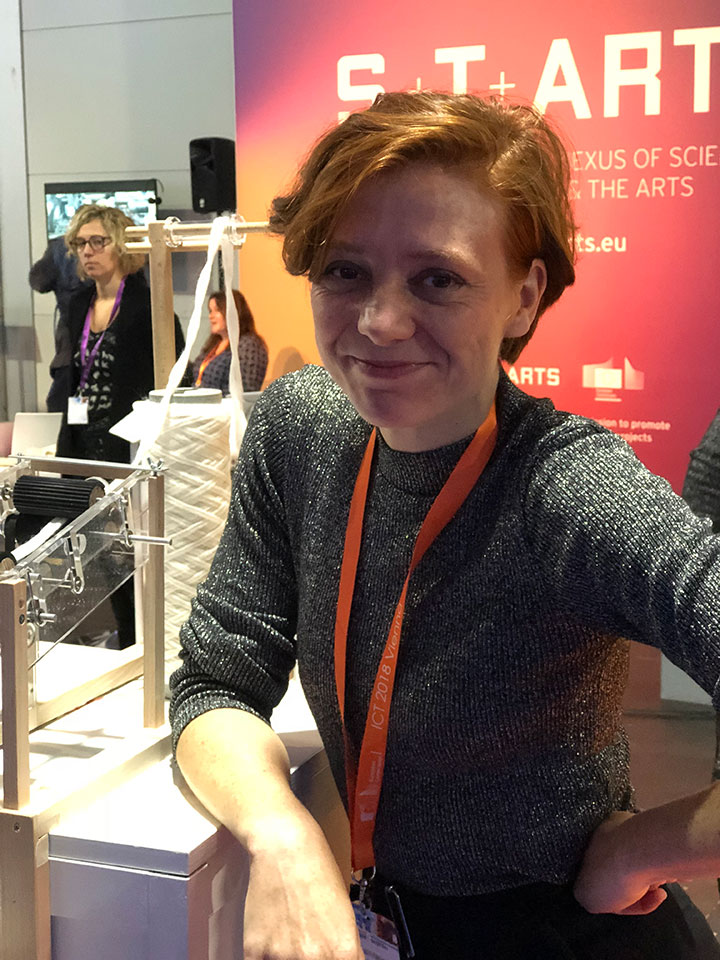
STARTS an initiative of the European Commission, launched in 2016 under the Horizon 2020 research and innovation programme as a follow-up to the ICT & Art Connect activities since 2012. Its purpose is to support collaborations between artists, scientists, engineers and researchers to develop more creative, inclusive, and sustainable technologies. 

> Video

> Gallery

> Timeline

April 2019 – November 2021

> Collaborators

  • Ana Solange Leal – Project Coordinator / Area Manager, INOVA+
  • Aurelia Delater – Senior Project Manager, INOVA+
  • Tania Moreira – Project Manager, INOVA+
  • Dr Camille Baker – Principal Investigator for UCA
  • Lucy Bunnell – Research Manager, UCA
  • Veronika Leibel – Director of European Cooperation, ARS Electronica
  • Kristina Maurer – Senior Producer European Cooperation, ARS Electronica
  • Hughes Vinet – Director of Innovation & Research Resouces, IRCAM
  • Guillaume Pellerin – Web Services Manager, IRCAM
  • Marie Albert – Head of EU Projects, LFTGP
  • Aneffel Kadik – Officer for EU Projects, LFTGP
  • Christoph de Jaeger – Founder & Director, Gluon
  • Ramona Van Gansbeke – Project Manager Art & Research

> Abstract

STARTS  (Science + Technology + Arts) -is about thinking out-of-the-box and building bridges between these three fields. With disruptive methods of exploration and an accurate critical eye on the use of technology, artists decisively raise awareness of the societal challenges and global concerns we are facing. STARTS is driven by the conviction that science and technology combined with an artistic viewpoint also open valuable perspectives for research and business, through a holistic and human-centered approach.

Co-creation processes between dancers, visual artists, painters, designers, and engineers, developers, sociologists, physicists, or machine learning specialists lead to ground-breaking explorations on our current social and economic challenges. They bring attention to climate change, cyber-security, human and robots interactions, artificial intelligence. Through their projects, STARTS teams work on new concepts and novel products that have the power to shape open-minded, sustainable and ethical technologies for a more inclusive society.

STARTS Pillars include STARTS Residencies, STARTS Prize, STARTS Lighthouses (WEAR Sustain, RE-Fream and MINDspaces), STARTS Regional Centres and STARTS Academy.

STARTS is an initiative of the European Commission under the Horizon 2020 research and innovation programme.It was launched in 2015, following up the findings of previous activities funded by the European Commission, namely ICT&Art 2012, FET-ART, ICT ART CONNECT 2013 and ICT ART CONNECT study, whose results demonstrated the worldwide emergence of communities of hybrid collaborations among science, technology and arts and their relevance.

> Partners

  • INOVA+
  • UCA / University for the Creative Arts
  • ARS Electronica
  • IRCAM / Institut de Recherche et de Coordination Acoustique/Musique
  • La French Tech Grande Provence / LFTGP
  • Gluon / Platform for Art, Science & Technology

> Budget / Funding

European Commission, EU Horizon 2020 ICT-32-2018-2, Community Support Action,  STARTS ecosystem: Support to STARTS Community and Lighthouse Projects through the creation of an ecosystem for hybrid talent, Grant ID: 824950 (€999,918.75 total across all partners/€160,875.00 for UCA)

> Outcomes / Impact

STARTS Ecosystem has built an umbrella web platform to bring the Arts and Technology/Science community together, as well as launching in-person and online events and exhibitions to showcase STARTS funded collaboration teams and projects around Europe over the duration of the project and ongoing.

It is hoped that this platform will continue to be maintained after the end of the project in 2021 by future STARTS family projects.

> My Role

I was the leader of Work Package 1 (WP1) Community Motivation and Online Platform, whose job was to enliven the STARTS Family and the greater related European community and to join the platform to participate in our many activities online and in person. I am also a participant of WP4 STARTS IN Motion supporting project progression of previously funded project teams, as well WP2 which is about developing the Collaboration Toolkit and Engagement of the community through events online and offline which I have been leader in.

> Further Information

Valérie Lamontagne: Peau d’ne

> Valérie Lamontagne

Peau d’ne: Memorial Virtual Exhibition and Panel Discussion

This is a virtual exhibition gallery space to experience the e-textiles art and FashionTech collections, research, talks and performances of Valérie LaMontagne, a pioneer in the discipline made for the ISEA2020 ONLINE: WHY SENTIENCE? Symposium. The exhibition of Valérie’s work includes images of her work, 3D Catwalks versions of a few of her pieces, videos of her work, her curated talks, and a commemorative video by close friend and PhD supervisor Joanna Berzowska. It was also preceded by panel discussion of her research and significance by friends and colleagues in the Fashion Tech scene. These can be seen below and on featured links.

> Virtual Exhibition of the work of Valérie Lamontagne

> Videos

This is the panel discussion on the significance of Valérie Lamontagne’s research and fashion design work in e-textiles and Fashion Tech

Valérie Lamontagne discusses fashion-tech futures 2018 at The Wilson School of Design at Kwantlen Polytechnic University

See also the tribute video by Professor Joanna Berzowska, Associate Dean Research, Fine Arts Associate Professor, Design and Computation Arts Research Director, XS Labs, Concordia University, Montreal

> Gallery Name

> Timeline

Focus on her work from 2007 – October 4, 2019

> Abstract

Camille made a virtual exhibition gallery space to experience the e-textiles art and FashionTech collections, research, talks and performances of Valérie LaMontagne, a pioneer in the discipline. In 2018 and was about to take her post in Amsterdam, when Valérie LaMontagne found out she has leukaemia, and spent a year fighting it.

Valérie had just successfully won her battle with the disease in August 2019, but then deteriorated and died October 4th, 2019. AUAS Dean FDMCI, Frank Kresin said after hearing of her death: “Valérie was a driving force in an international network of fashion innovators. She knew how to inspire others and create amazing work, thanks to her enormous creativity, passion and perseverance. She fought for her life, for life itself, until the very end and never lost her optimism. Her death is a huge loss for many of us and I wish her family, friends and loved ones my condolences.”

This exhibition is dedicated to Valérie and to try preserve her work and legacy in the e-textiles, wearables and FashionTech community. This is a virtual exhibition of Valérie’s work including images, 3D versions of a few of her pieces, videos of her work and her talks and a commemorative video by close friend and PhD supervisor Joanna Berzowska.

Garden of Earthly Delights

> Video’s in preparation for and from the events

> Video Panels and Events

> Timeline

September 8-13, 2020

> Collaborators

In this effort to bring together UK artists include:

  • A joint one day Expanded Animation symposium, Synaesthetic Syntax: Sounding Animation / Visualising Audio running concurrently in Linz, Austria, Portland, Oregon and in London, UK. See website here.
  • Art In Flux presented AUTONOMY, a live streamed event with an online exhibition curated by Maria Almena, featuring live performance and interactive art, details available here
  • NEoN under the theme of “Share, Share Alike”, NEoN produced interactive and site-specific performance lecture with artist B.D.Owens which can be seen here
  • A STARTS Pop-up Event, with two panels and discussions on Understanding complex data in COVID times, and Fashion: Materialising Numbers plus Leonardo S+T+ARTS: A conversation on “What’s next? Art-Science ideas emerging from lockdown.” can be found here

> Abstract

In a time of crisis for many artists and art institutions across the UK, Europe and the world, this effort is meant to celebrate amazing ingenuity of arts and technology collaboration and under the umbrella of Ars Electronica 2020 Kepler’s Garden theme of Garden of Earthly Delights after the Hieronymus Bosch’s triptych painting.

Ars Electronica (AE) 2020 traditionally takes place over 5 days during September in Linz, Austria. In 2020 there will be a small presence in Linz, but the majority of the festival will take place in more than 50 ‘gardens’ across the globe, with UCA’s Dr Baker and Dr Hosea establishing the UK Garden of Earthly Delights.

Inspired by the Ars Electronica 2020 meta-topics of ecology, democracy, uncertainty, humanity, reality, and autonomy, working with Bosch’s concept, it will be a way to combine his vision of the range of human experience with these meta-topics, to interrogate the moment we are now in, as humanity is facing the possibility of a long term pandemic, creating instant global recession and mass unemployment, continued climate crisis, continued inequality and the spread of fascism, as well as the looming impact of Brexit on the UK and across Europe. 

In the case of this year’s Ars Electronica UK garden, the Garden of Earthly Delights is quite an inclusive concept for many different simultaneous activities, which can take place from one Hub entry point, allowing each organisation to create their own sub-program within one ‘garden’ over the 5 days of the festival and connected from AE’s main portal website through Mozilla Hubs.

This garden includes many important Arts and Technology organisations from across the United Kingdom, many of whom are themselves struggling to continue after major setbacks to their own 2020 programs, and all the struggling artist their try to support, barely able to get by this year. This garden will act as a unifying community celebration of amazing art-tech/art-science collaborations.

> Partners

  • Ars Electronica via Kristina Maurer
  • Ars Electronica’s Expanded Animation via co-director Birgitta Hosea, UCA’s Director of the Animation Reserach Centre
  • STARTS Ecosystem EU-Funded Project
  • STARTS Regional Centres EU funded project

> Budget / Funding

  • Funding was provided by Ars Electronica, who diverted a small budget of €4000 to UCA to pay the artists for their work.
  • £1,600 was also came from the STARTS Ecosystem project to pay the slary for Lucy Bunnell to be project manager for the Garden of Earthly Delights coordination

> Outcomes / Impact

UCA UK AE Garden in online viewing numbers:

Organisation/EventViewers/Attendees
UCA361
Flux400
Wolverhampton49
STARTS events (Leonardo etc)77
FutureEverything136
NEoN312
Serpentine110
TOTAL1445
Snapshot of UCA Garden:
12 events
9 collaborators
58 participants
12 different countries

Sensory Spaces

> Sensory Spaces: Academic–SME Fellowship Collaboration

StoryFutures AHRC Creative Cluster

Sensory Spaces is a fellowship collaboration for the StoryFutures AHRC Creative Cluster, part of UCA’s (University for the Creative Arts) participation in the larger consortium. 

> Videos

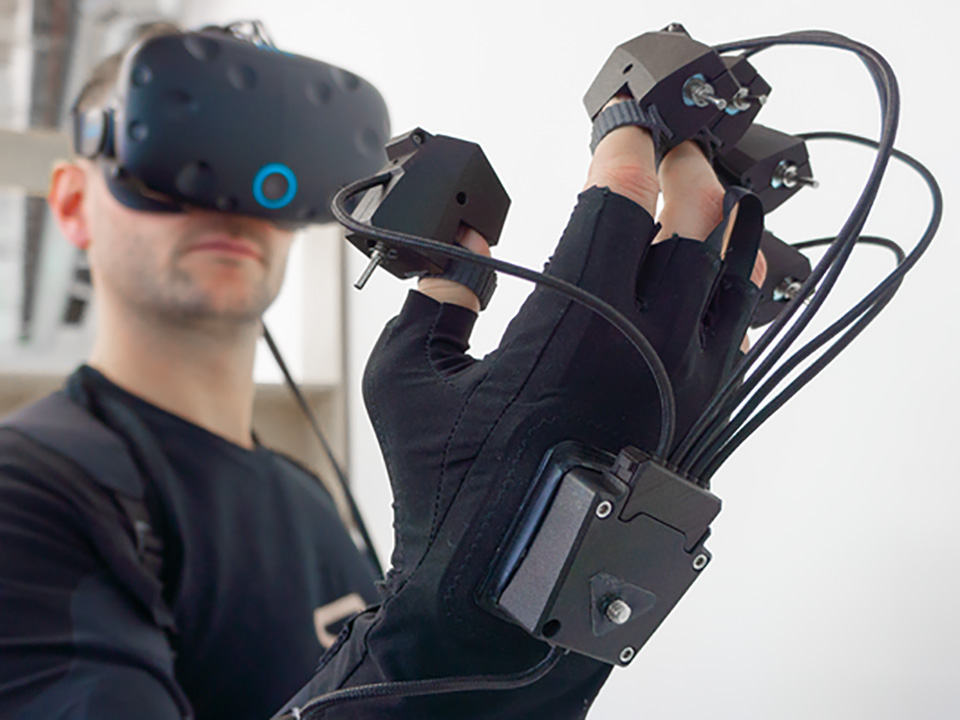
Walk-through of new Valkryrie Industries VR sculpting tool called Valkryrie Argil, developed through the Sensory Spaces project and to be used with their VR Glove

> Gallery

> Timeline

May 2020- October 2020

> Collaborators

  • Dr Ivan Isakov – Innovator / Fellow
  • Dr Birgitta Hosea – Academic Collaborator
  • Dr. Camille Baker – Academic Collaborator

> Abstract

Sensory Spaces fellowship collaboration for the StoryFutures AHRC Creative Cluster, is part of UCA’s participation in the larger consortium. I am participating as an academic fellow on the Future of Storytelling scheme, alongside UCA colleague Dr Birgitta Hosea, in collaboration with CTO and co-founder of Valkyrie Industries, Dr Ivan Isakov.

The project involves research on haptic and sensory experience and the further development of a toolkit for sculpting in virtual reality using haptic gloves by the team.  

> Partners

  • StoryFutures Creative Cluster / Royal Holloway University
  • UCA / University For The Creative Arts
  • Valkyrie Industries

> Budget / Funding

  • £5,000 via the StoryFutures project, lead by Royal Holloway University.

> Outcomes / Impact

A haptic VR sculpting tool Valkyrie Argyl, which enables non-experts accessible entry into 3D modelling and 3D animation creation. Ideally, the software will with with the Haptic Gloves in VR.

The project will be showcased at the Beyond Conference on November 30th. 2020

The project is also leading to a further collaborative consortium research project led by Baker, with Hosea and Isakov and many other SME’s, academics and freelancers involved. The concept is to develop a Texture Mapping Library for Haptics in VR, with implications for the Fashion, Robotics and Telemedicine industries.

> Further Information

WEAR Sustain

> WEAR Sustain

Wearable technologists Engage with Artists for Responsible innovation

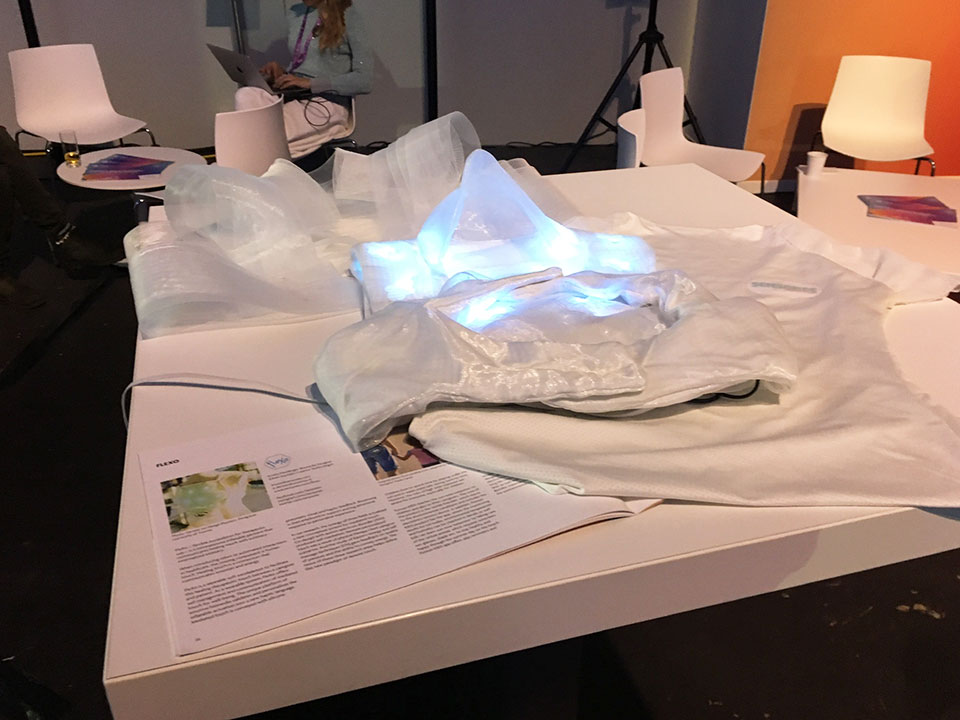
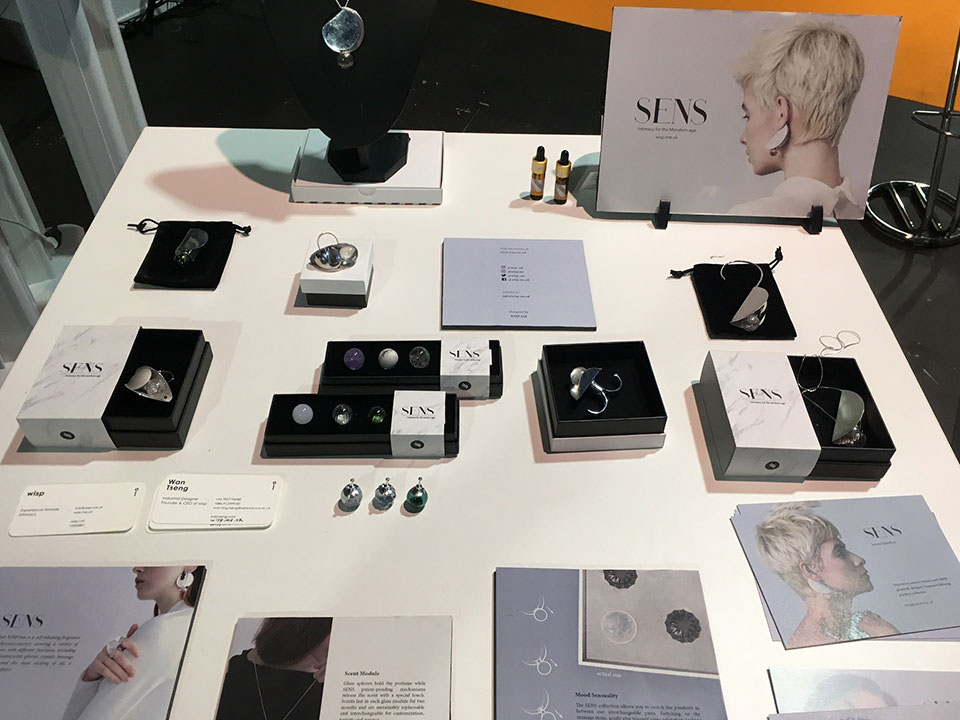
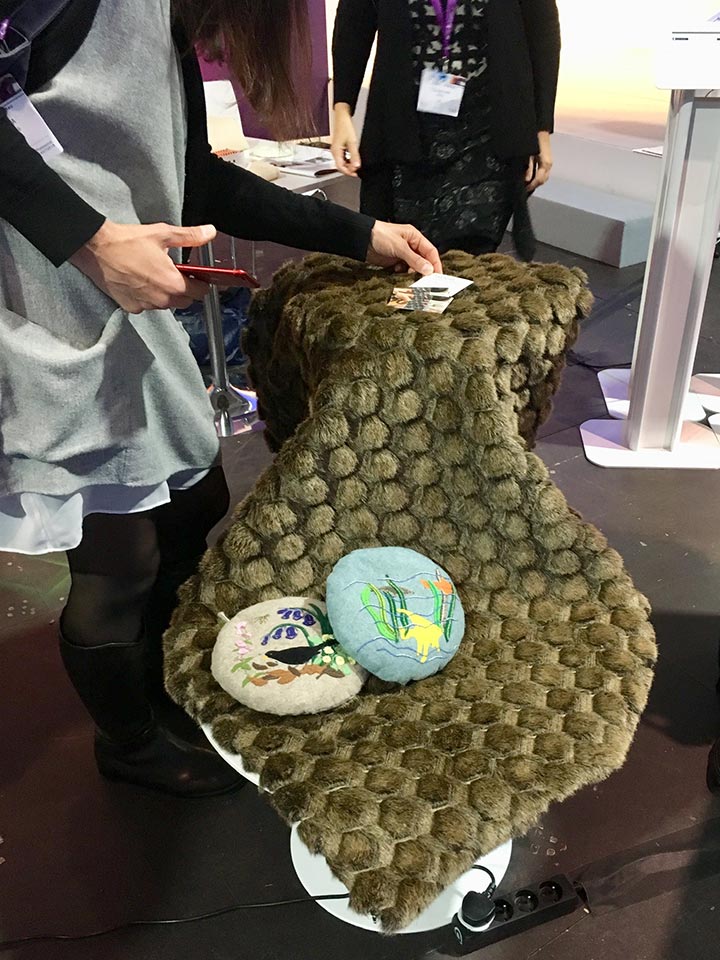
WEAR Sustain brings artists and designers to work together with technologists and engineers across Europe, to shift the focus of development in the EU wearable technology and smart textile industries, to address the core issues of ethical, sustainable, aesthetic, environmental and responsible approaches at the research, design and development stages.  

> Videos

More videos available on the WEAR Sustain YouTube channel.

> Gallery

> Timeline

January 2017 – April 2019

> Collaborators

  • IMEC – Coordinator & Project Management
  • UCA – Creative & Critical Lead, Project Initiator
  • Queen Mary University – Dissemination & Promotion Lead
  • Universitat der Kunste – Prototype Management & Sustainability Lead
  • We Connect Data – Mapping & Network Developer
  • Blumine SRL – Fashion / Textile & Mapping Partner
  • Digital Spaces Living Labs – Technology & Incubation Partner

> Abstract

The goal of WEAR was to develop best practices for enabling, facilitating, and growing the Europe-wide wearable technology, smart and electronic textiles network, developing collaborations and innovations between artists, designers, technologists and engineers to make ethical and sustainable solutions and technologies for a better future.

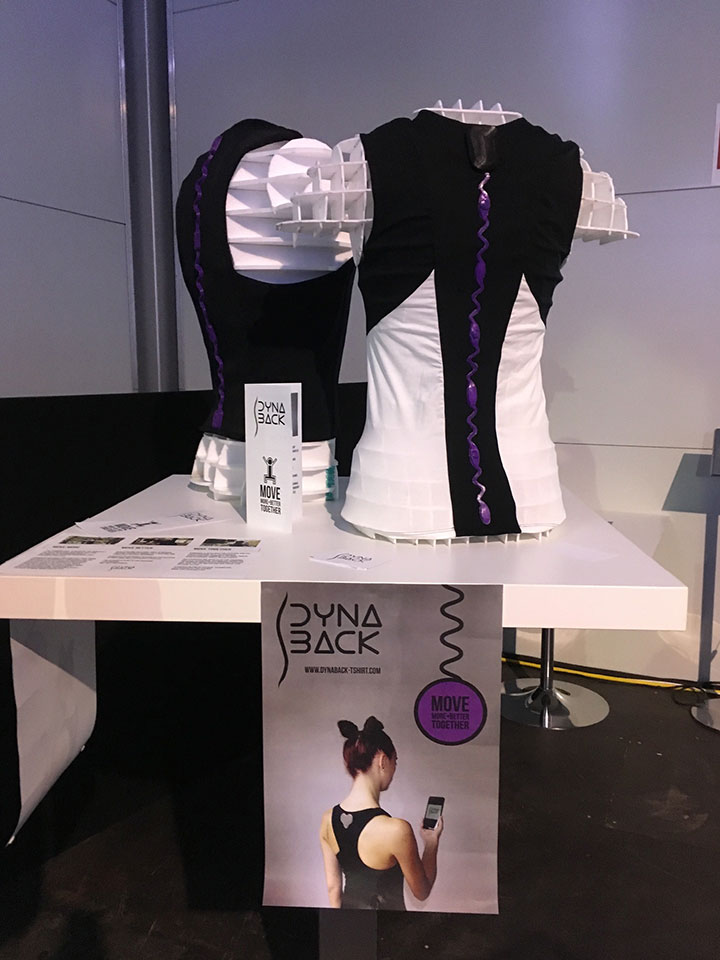
WEAR Sustain brought artists and technologists together to work in local hubs, in the end funding 46 prototype projects at €50, 000 per project, toward market and technology readiness. 

WEAR Aims and Objectives were to:

  • Develop a sustainable European network of stakeholders and hubs, to connect and push the boundaries in the design and development of wearables;
  • Encourage cross-border and cross-sector collaboration between creative people and technology developers to design and develop wearables; 
  • Develop a framework within which future prototypes can be made that will become the next generation of what ethical and aesthetic wearables could/should be;
  • Lead the emergence of innovative approaches to design, production, manufacturing and business models for wearable technologies;
  • Help citizens, entrepreneurs and other stakeholders more aware of the ethical and aesthetic issues in making and use of wearable technologies.

> Partners

  • IMEC, Belgium
  • UCA / University for the Creative Arts, UK
  • Queen Mary University of London, UK
  • Universitat der Kunste Berlin, Germany
  • We Connect Data, Belgium
  • Blumine SRL, Italy
  • Digital Spaces Living Labs, Bulgaria

> Budget / Funding

The European Commission Horizon 2020, from Work Programme 2016-17, call ICT-36 Creativity and Sustainability – Innovation Action (H2020-ICT-2016-1) Total funded € 2,998,925 total (80% going to fund 46 smaller prototype projects) – €111062.50 for UCA with Camille Baker as PI for UCA. Seven work packages across seven partners with UCA / Baker leading two of these.

> Outcomes

Knowledge exchange and dissemination events (symposium, industry showcase & exhibition), conference presentations, one book chapter, several journal papers, mini TV documentary, and three 30-second promotional videos. 

> Impact

The long-term impacts are still to come but include adding forty-six teams made of art, design and technology professionals, who will take their experience of ethical and sustainable design process into their future practice, pushing suppliers, manufacturers and others within the supply chain and industry as a whole to (ideally) change their own business practicing a large-scale trickle-down effect:

  • Society = change in awareness of how the wearable and e-textile products are made.
  • Economy = a shift towards more ethical / sustainable products and services sold, transforming the whole supply change toward to better practices.
  • Policy = future EC funding focussed on more ethical and sustainable proposals – shift in what is considered a fundable innovation, with ethics and sustainability embedded

> My Role

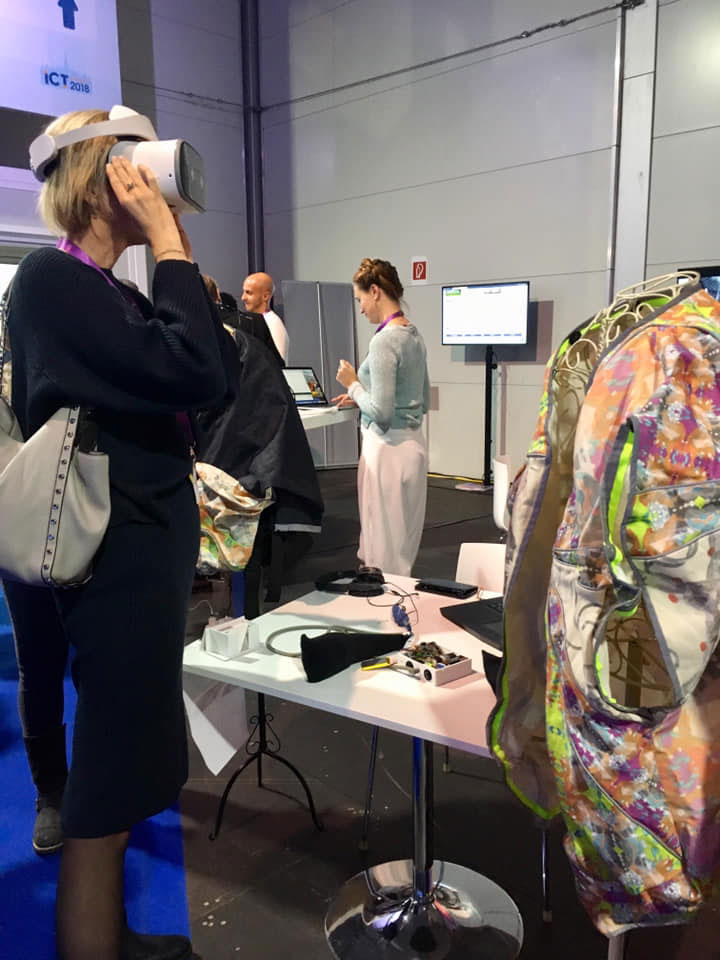
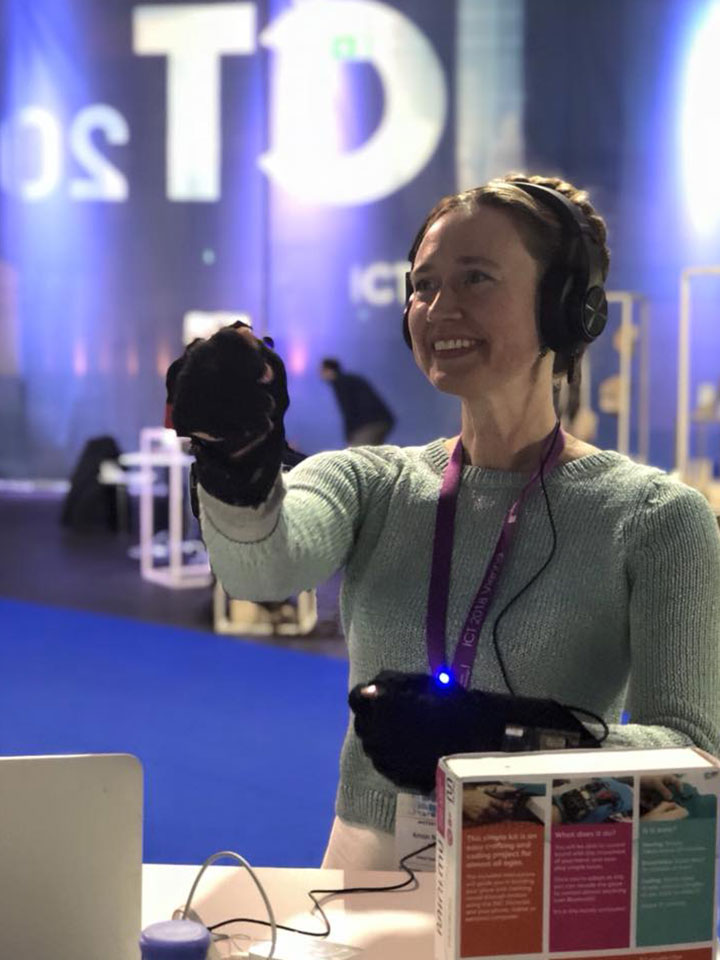
I was an ambassador for the project and as such interacted with, engaged with and developed relationships with key research users, beneficiaries or audiences collaborators through European Commission ICT events (i.e.ICT 2015 Lisbon – where WEAR collaboration began and potential partners developed), as well as numerous conferences presenting the ICT&Art Connect/FET-Art, WEAR Sustain outcomes.