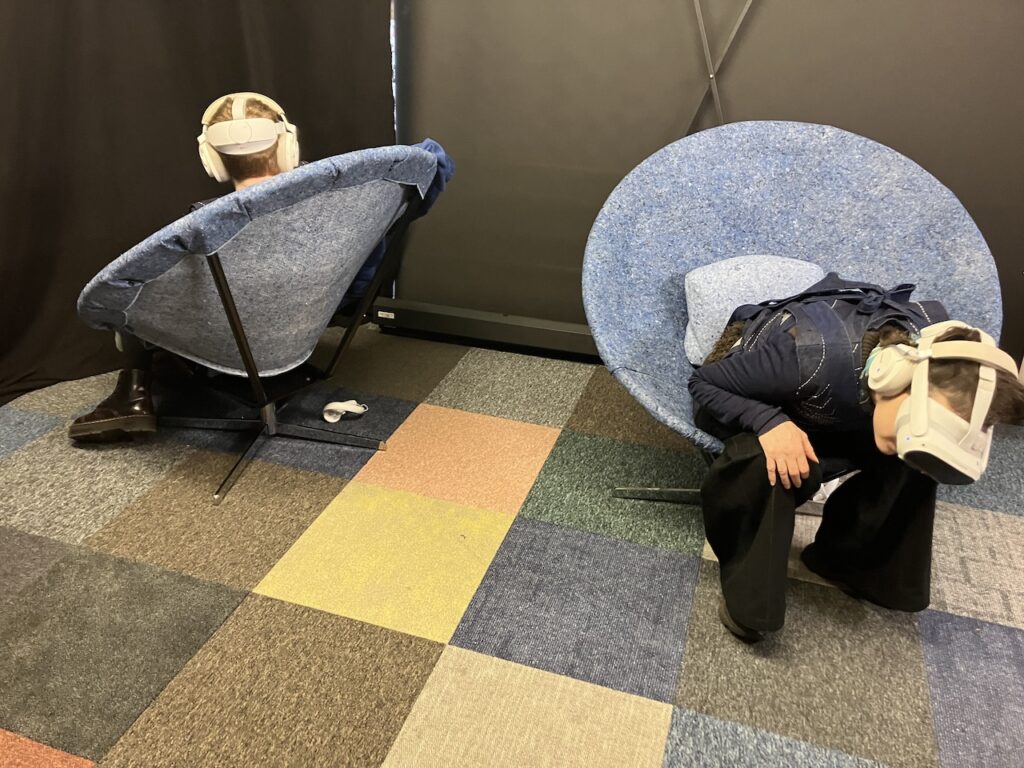
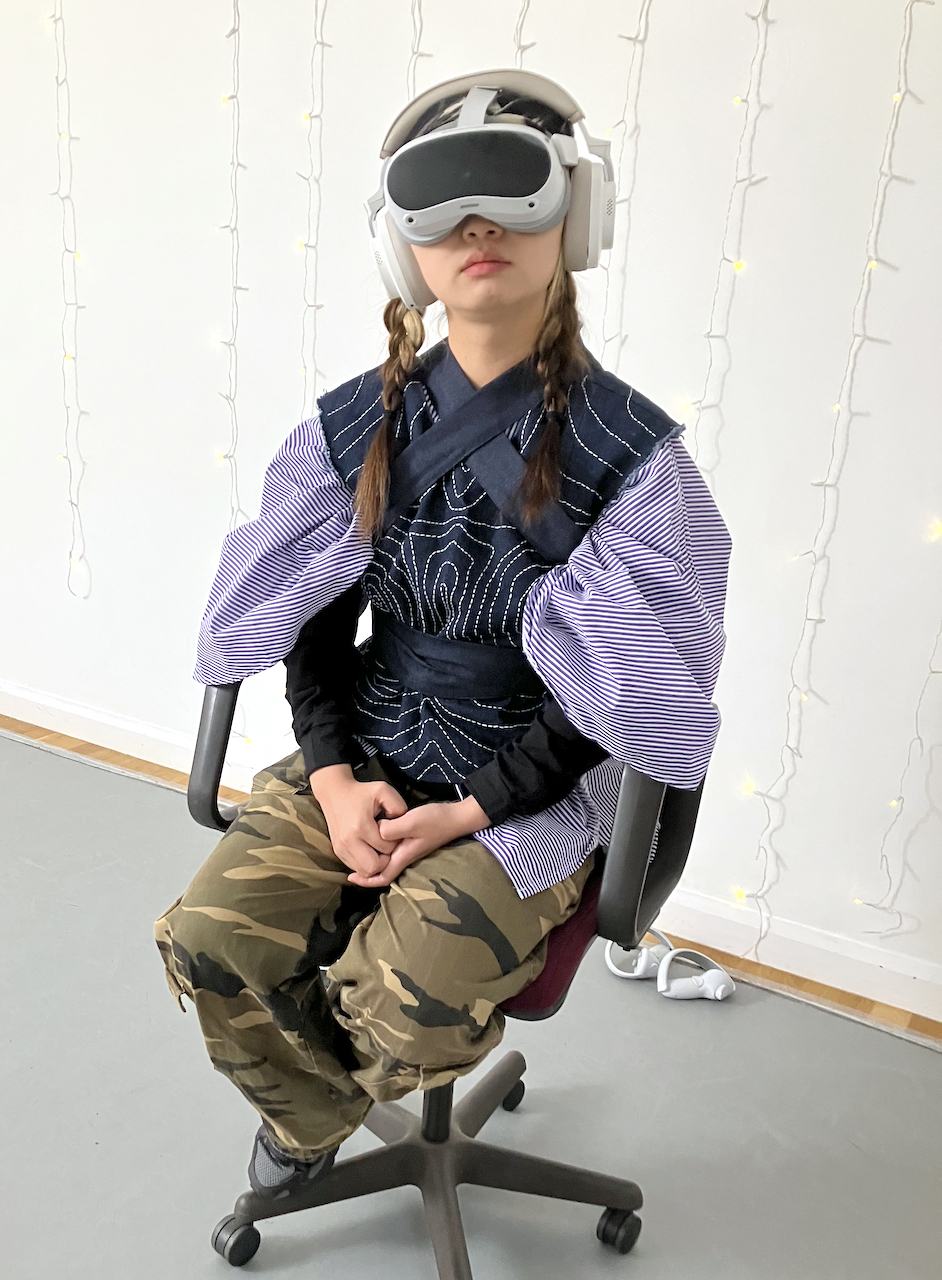
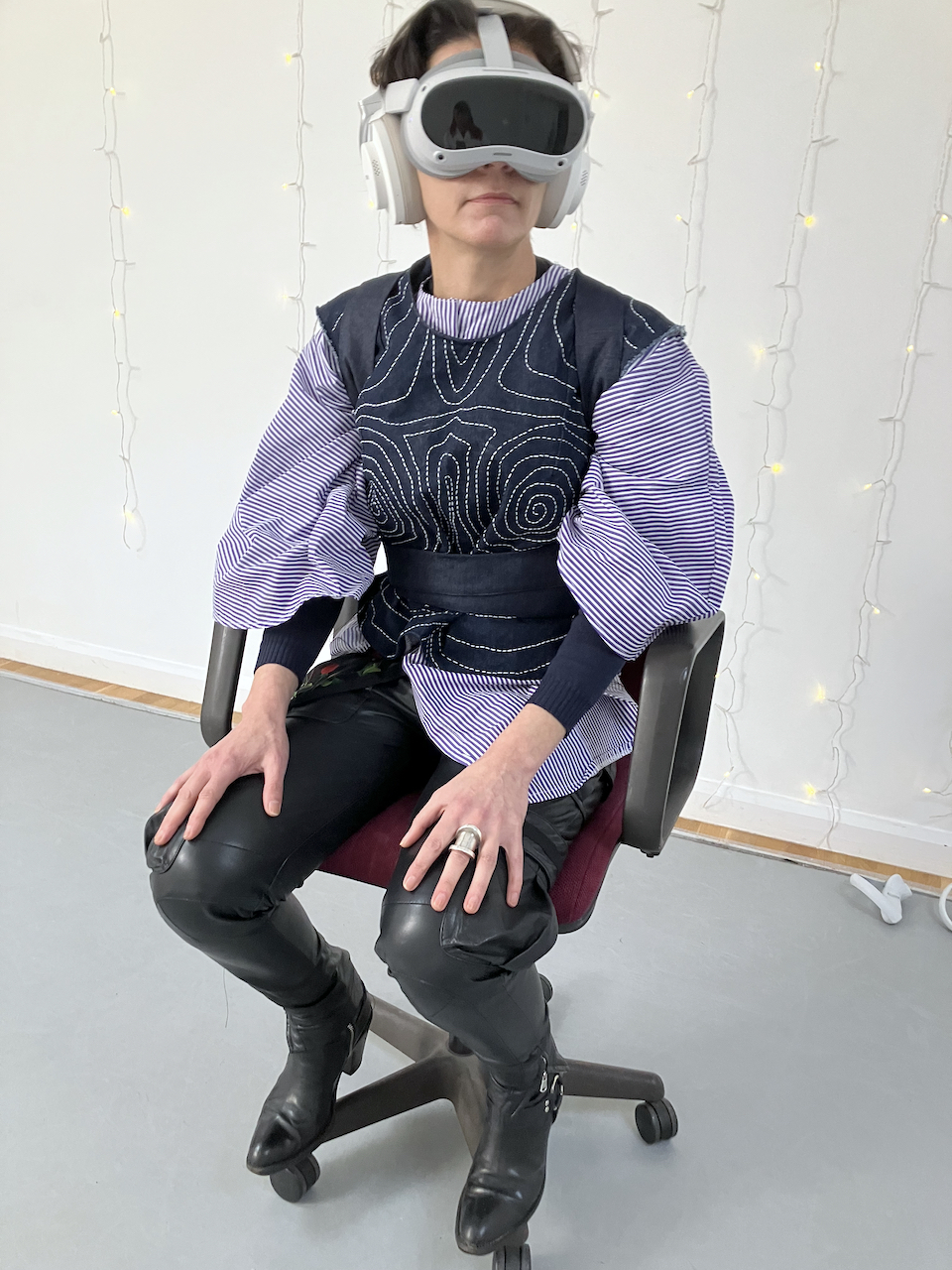
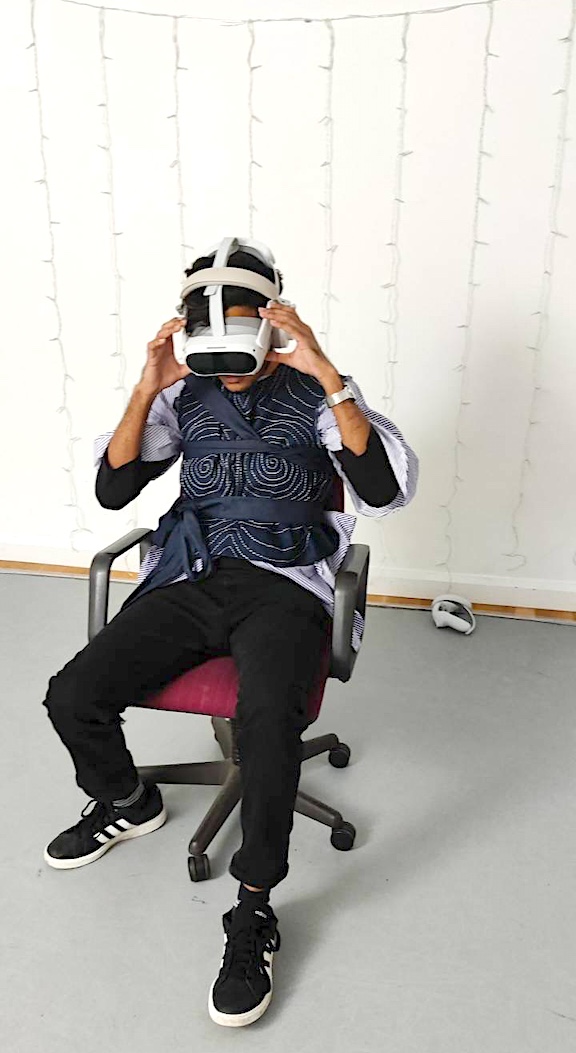
This is additional to my book Chapter “Haptics and the role of ‘body-as-interface’ in artistic immersive/virtual experiences” for the
Expanded.Animation¿.Synaesthetic.Syntax. book for Palgrave 2026 – as there was not enough space in the chapter to include these seminal works that have influenced my practice.
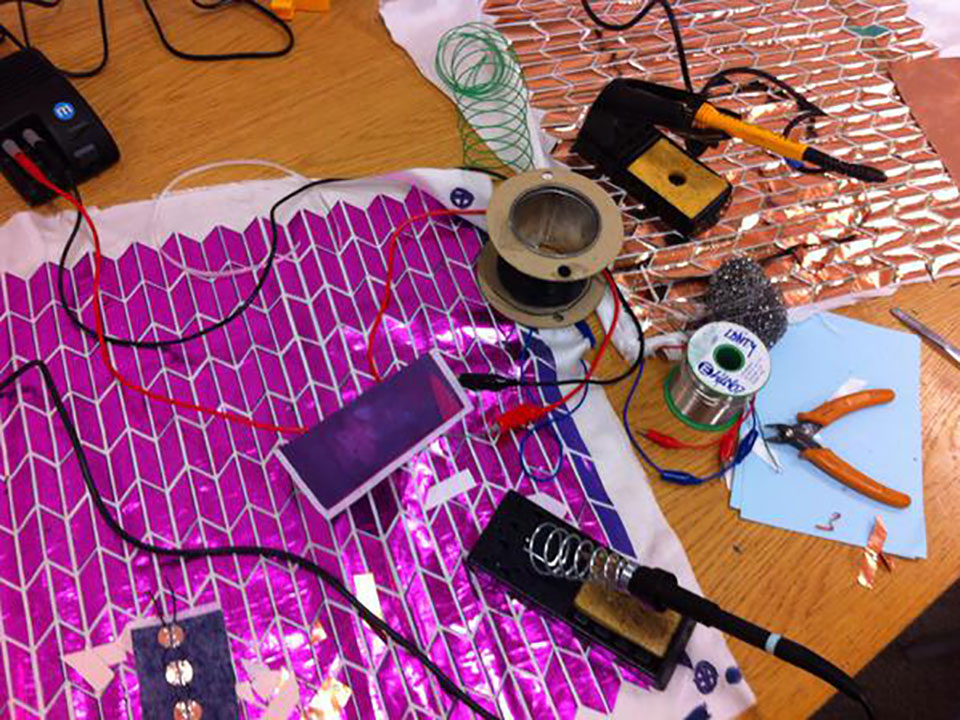
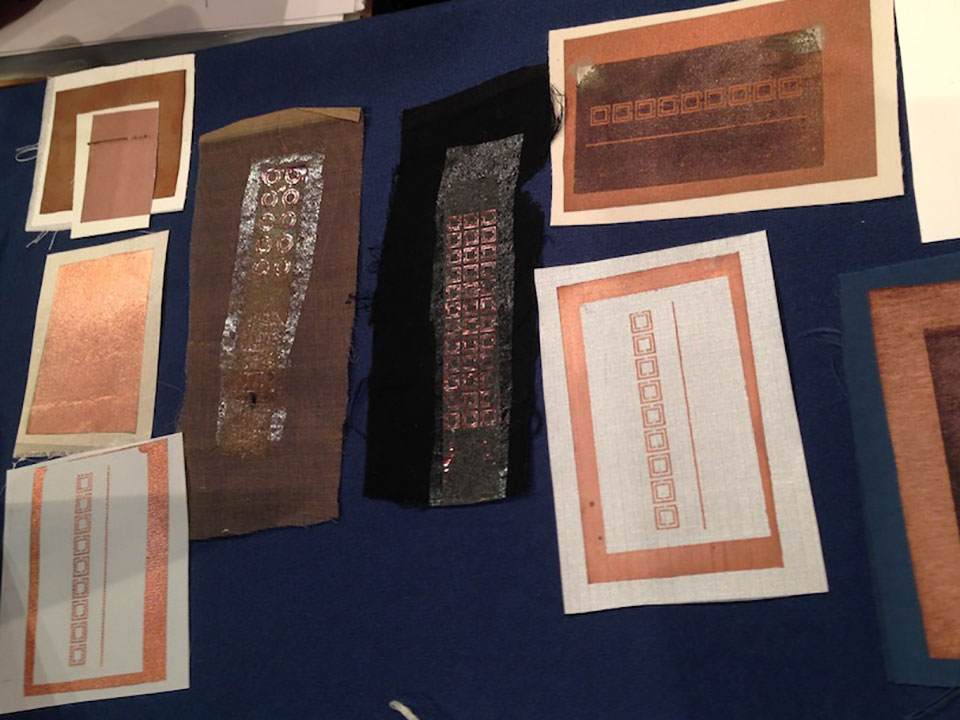
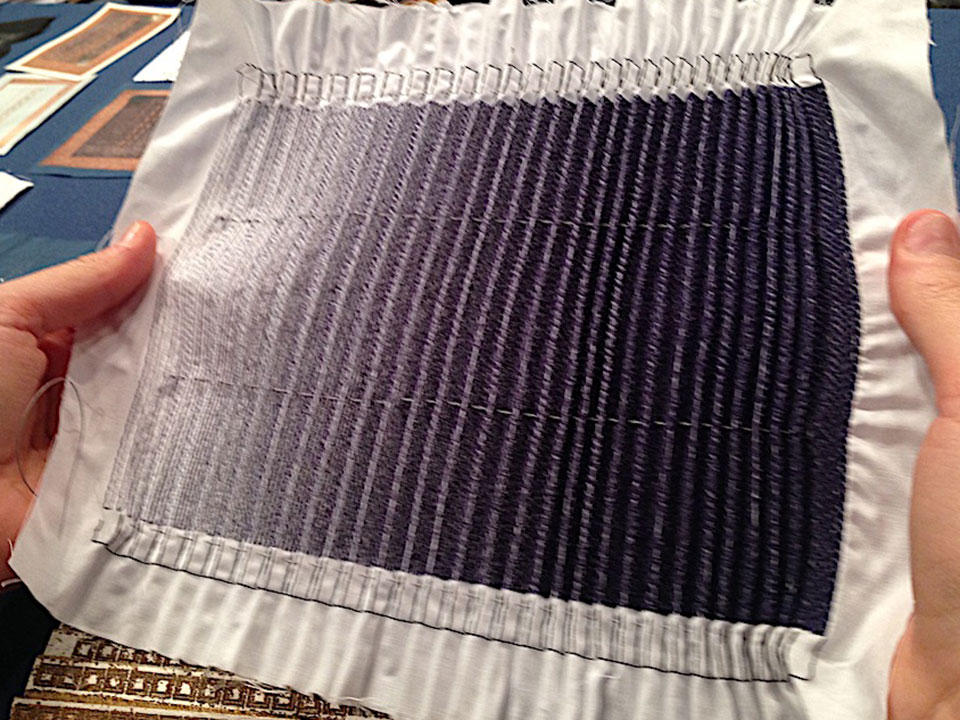
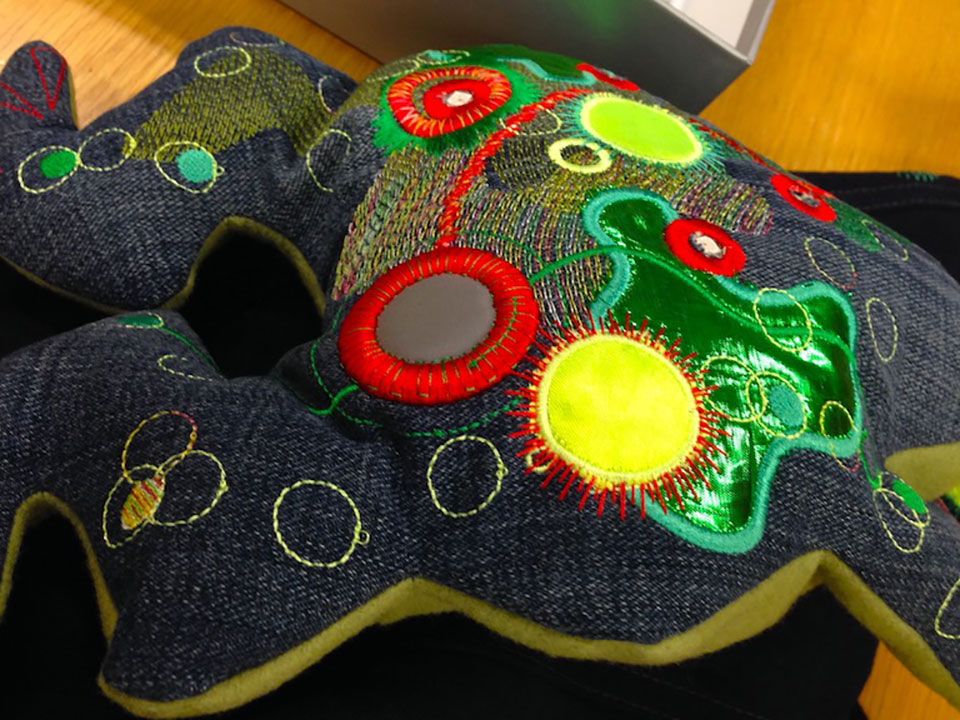
E-textiles and Wearable Technology Pioneers
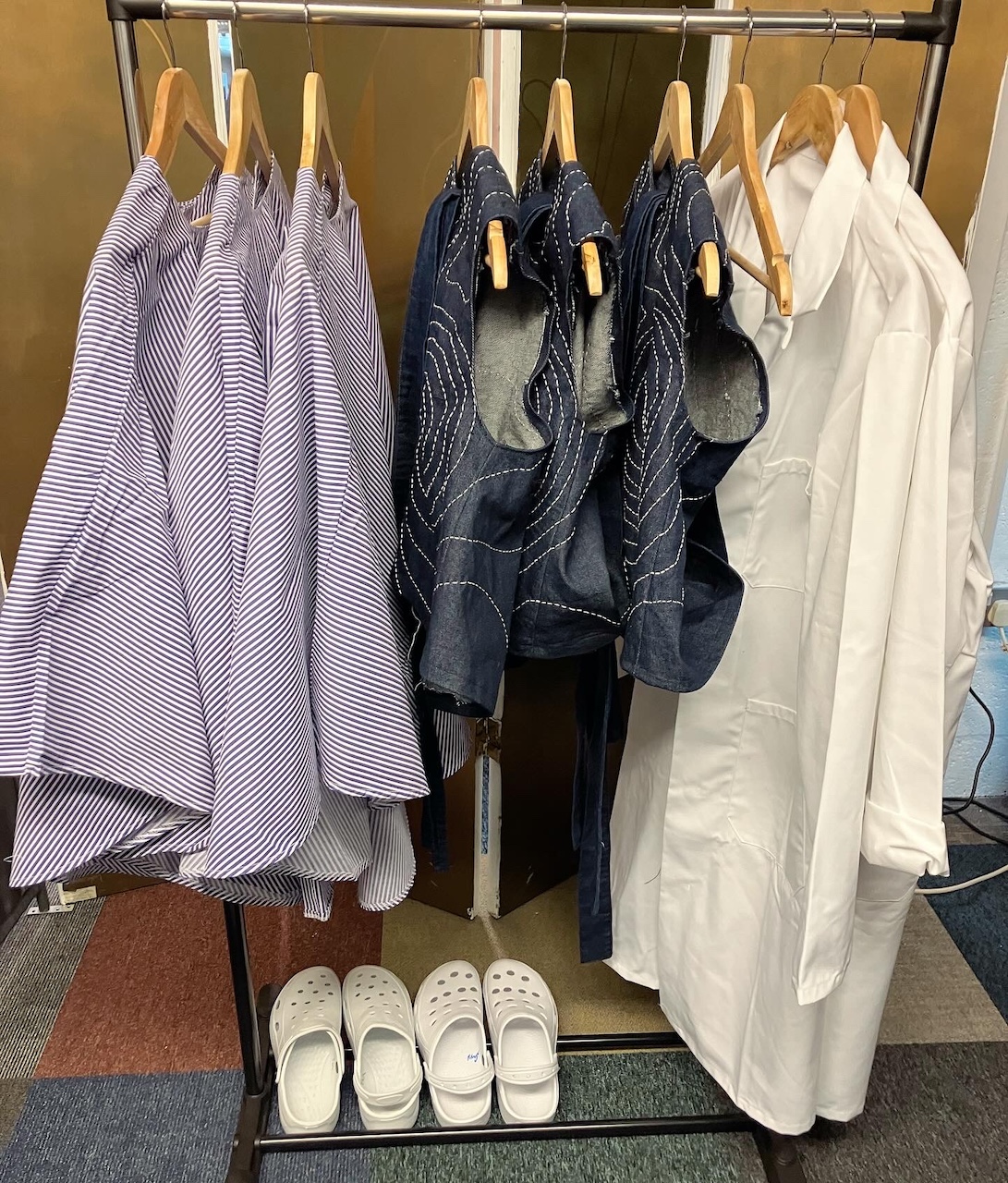
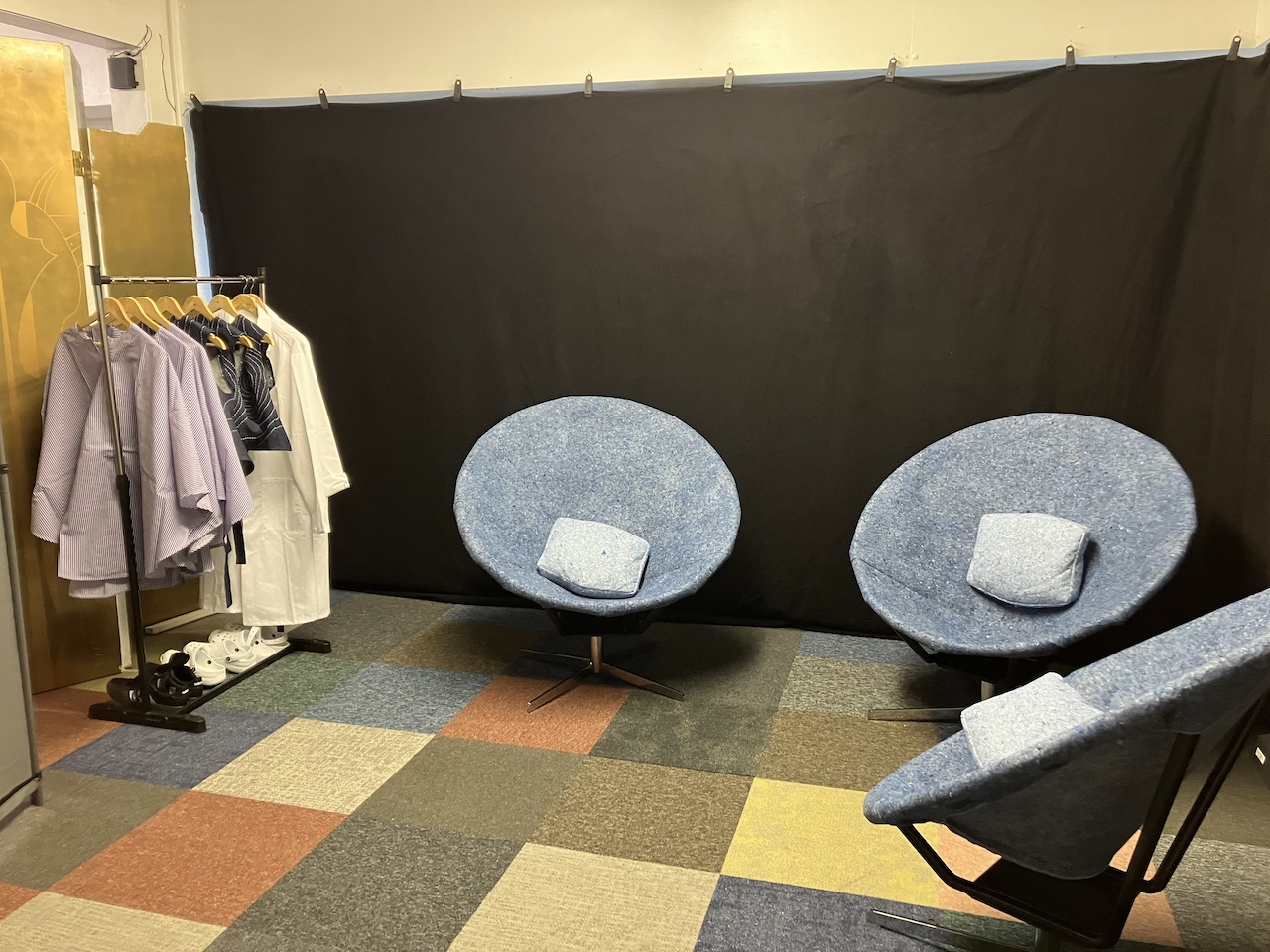
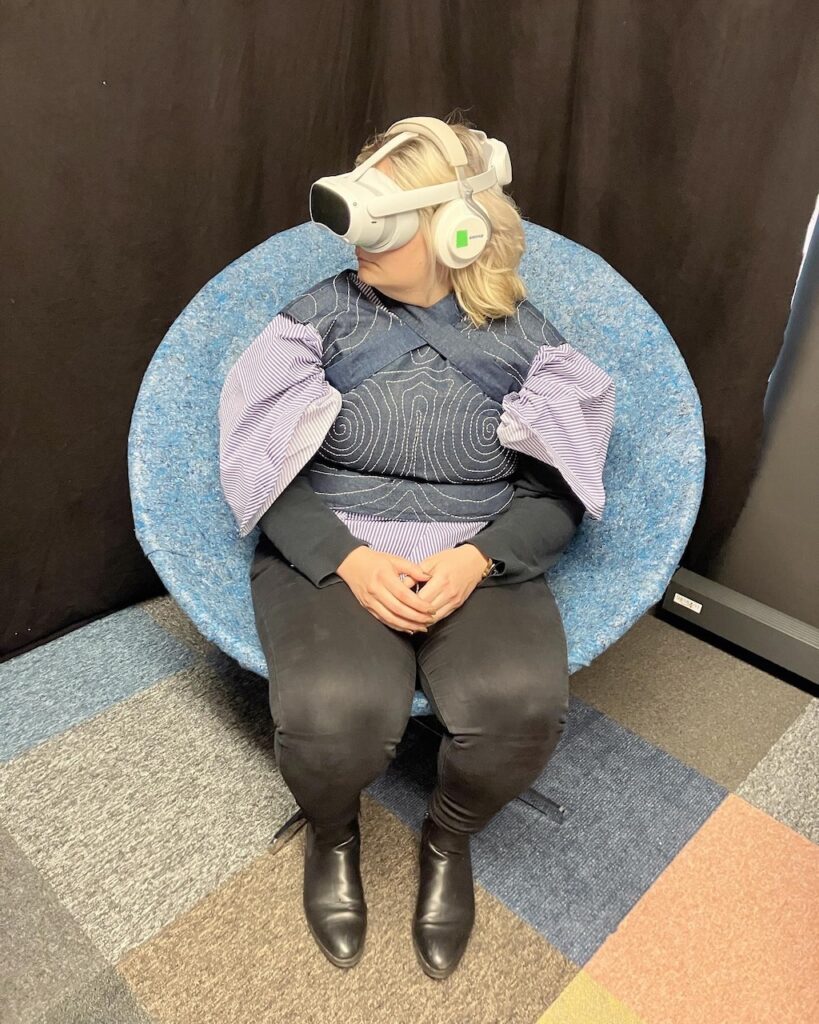
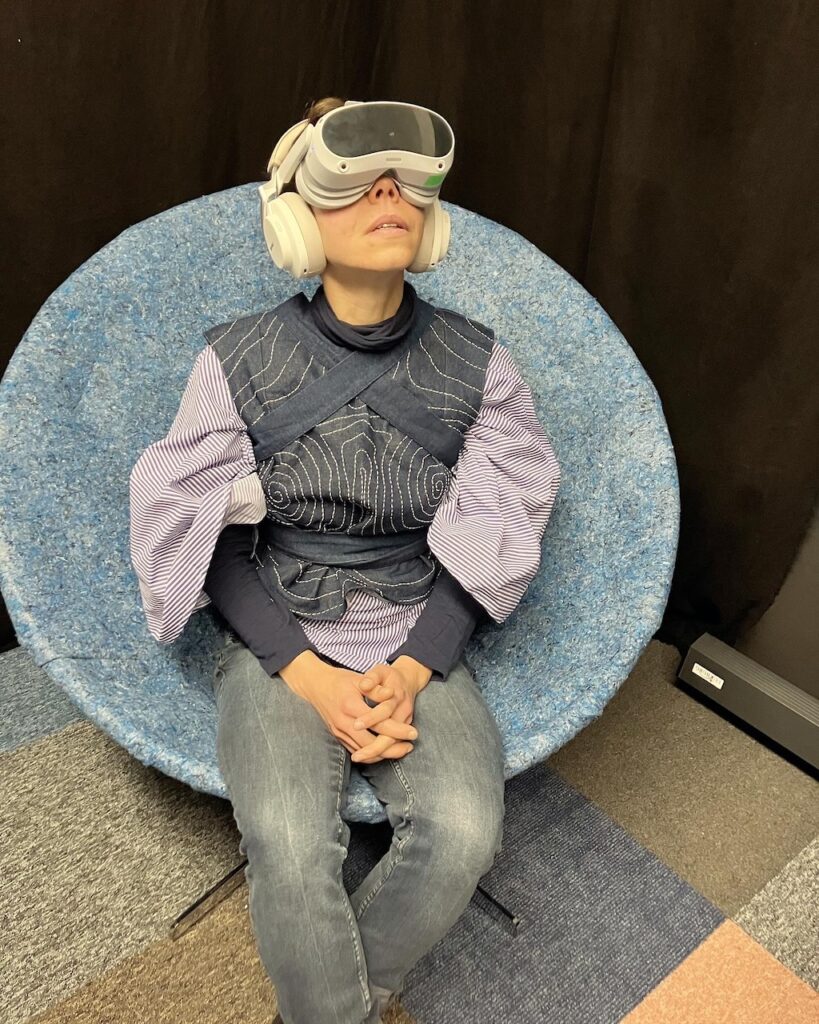
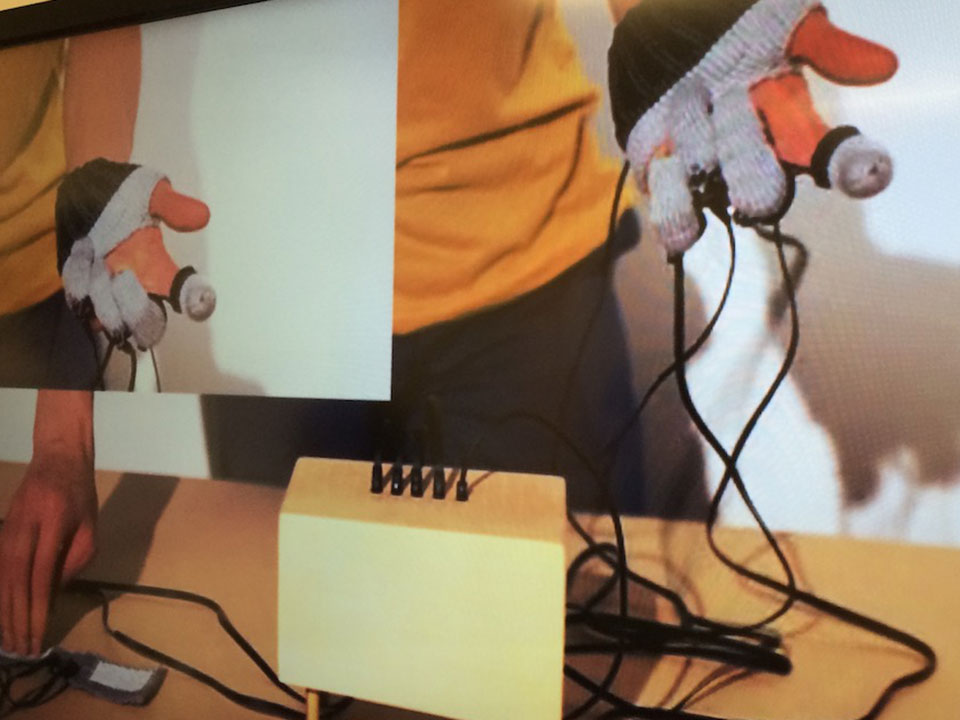
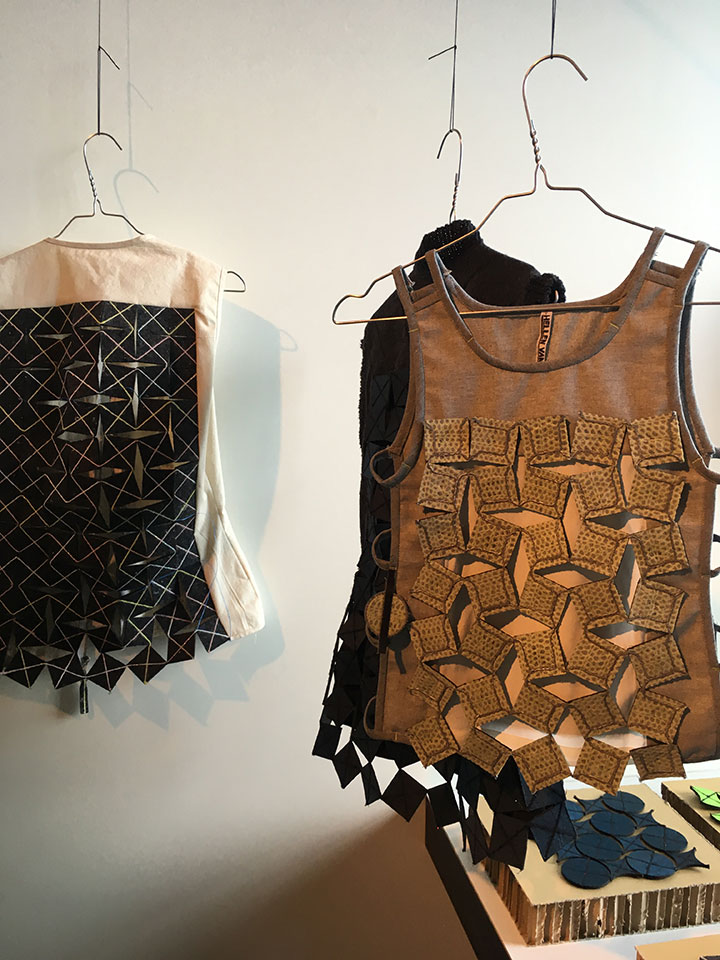
Since I worked with Schiphorst and Kozel early in my artistic and academic career, I have always felt it is better to make bespoke, aesthetic and functional sensor/haptic garments than to use these industrial, masculine and military-style haptic garments. It is more DIY and less robust, even fragile and more likely to be damaged, but the outcome is more satisfying. This is the trade-off. I have been tempted to work with engineers to create more robust but aesthetic haptic/ electronics for performance and XR, but this is not my area of expertise and others are working on this (maybe not for artists however) in the e-textiles designer community.
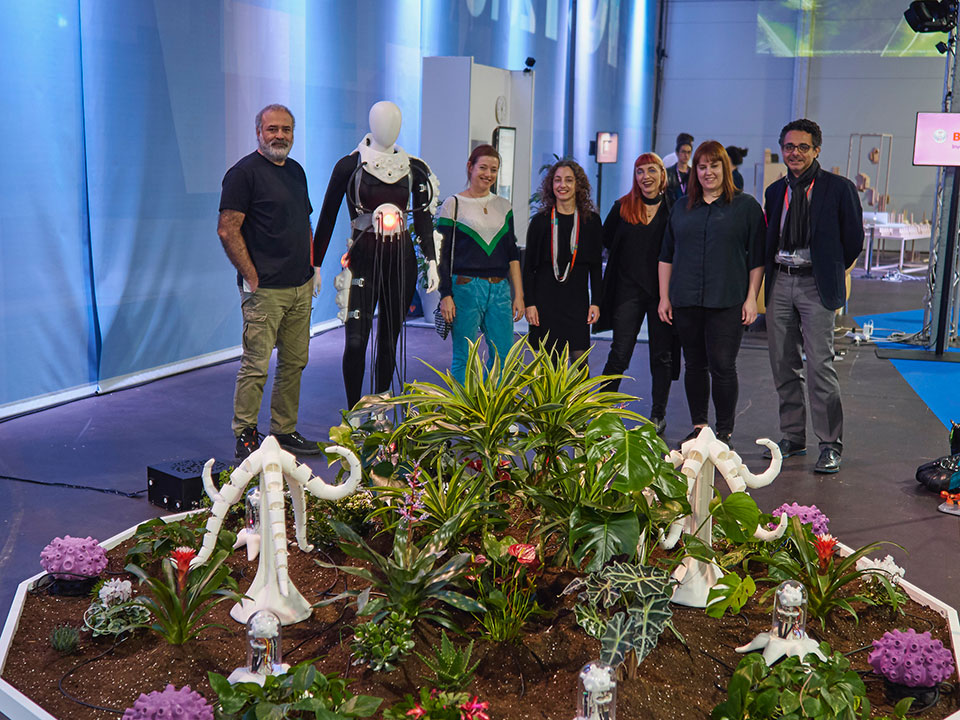
whisper[s] explored how embedded, wireless devices in clothing could create a ‘body area network’, where people could exchange their body data with others, and it could then be seen or felt by those others within the clothing they wore, through various actuators or outputs, or vice versa. The aim was to find new modes of embodied communication, exchange and a playful means of combining fashion, gesture/movement, media installation, expressive devices and art in new and compelling combinations. (Schiphorst, 2005: online)
Other artists and designers who worked across art, performance, fashion, interaction design and engineering, incorporating sensing and haptics into their designs:
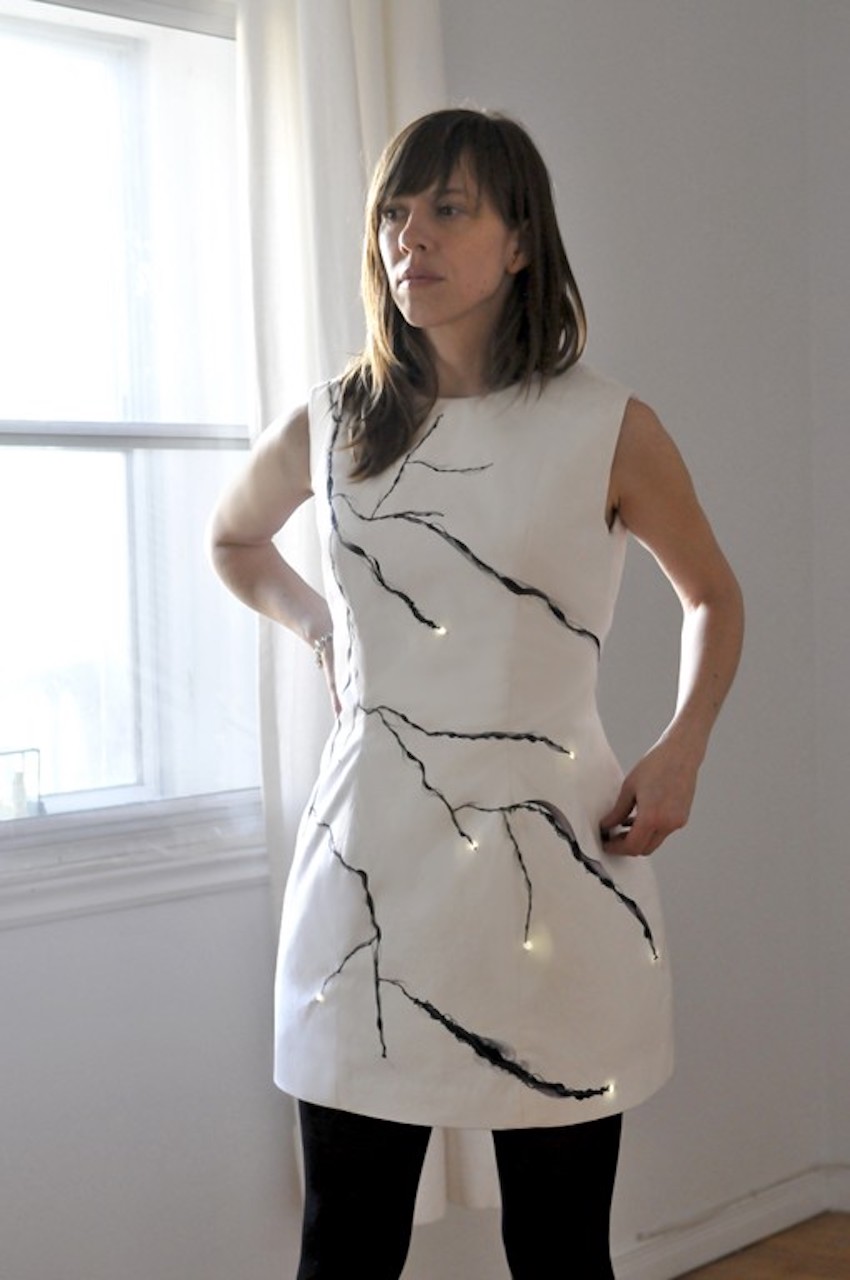
Valérie Lamontagne (1968–2019) was a Montreal-based artist, designer, and scholar with an interest in smart clothing and accessories, who significantlycontributed to e-textiles, fashion, and performance through her groundbreaking concept of ‘performative wearables’ and was ahead of her time. She researched how combining technology and garments could phenomenologically transform the wearer. She founded the fashion-tech studio 3lectromode and atelier in 2010, dedicated to crafting and consulting in e-textiles fashion. She was curator of the Fashiontech Festival in Montreal in 2017, and curated several other exhibitions, notably The Future of Fashion is Now at the Museum Boijmans Van Beuningen in Rotterdam, the Netherlands, in 2015.LINK
CuteCircuit is a London-based fashion brand and a pioneer in the field of wearable technology. Founded in 2004 by designers Francesca Rosella and Ryan Genz, they created interactive clothing that combines fashion with emerging technologies and smart fabrics. CuteCircuit develops garments and accessories for sale that feature embedded microelectronics, LEDs, and sensors, and can often be controlled by a smartphone app. Two big products:
– Hug Shirt (2002): A garment with integrated sensors that allows a user to send and receive the sensation of a hug over a distance via Bluetooth. It was named one of Time magazine’s Best Inventions of the Year in 2006.
– Sound Shirt – Cute Circuit (2019) https://cutecircuit.com/soundshirt/
The Sound Shirt allows both deaf and hearing audience members to experience music and virtual reality enhanced by real-time haptic (touch) sensations, with different instruments corresponding to various locations on the garment, transforming any audio into a multi-sensory experience. Cute Circuit recently won the prestigious LUMEN Fashion & Design Award 2025
https://www.designboom.com/technology/cute-circuit-deaf-people-feel-music-skin-soundshirt-haptic-sensors-10-04-2019/
The e-stitches collective, a non-profit, voluntary platform founded in 2014 (co-founded by myself and Melissa Coleman, with Emilie Giles replacing Coleman in 2020. e-stitches focused on building an international community to explore the intersection of e-textiles, DIY electronics, smart materials, wearable technologies and biomaterials, through regular meetups, skill-sharing, and collaborative projects. Since its founding in 2014, the collective has grown into a dynamic international community of makers, hackers, designers, biotechnologists, performers, and researchers. The collective regularly hosted ‘show-and-tell’ sessions, workshops, and talks, originally in London and now monthly online since April 2020, to discuss current issues, share work, and guide emerging e-textiles and wearable tech. The e-stitches collective, helped to spawn the EU-funded WEAR Sustain project (2017-2018), a €3m initiative to support artists and designers in collaboration with technologists and engineers, to develop more sustainable and ethical approaches and solutions to mainstream wearable devices and smart materials. Giles and I left the leadership in 2023, and e-stitches is now run by designers Sarah Robertson, Emma Wright and Lucies Hernandez.
Other notable e-textiles and haptics artists and designers include: Rachel Friere, Anke Loh, Saskia Helinska and Rain Ashford, who have explored e-textiles for different forms of sensing and haptics to create different aesthetic, sensory and emotional outcomes.
Rachel Friere, Cedric Honnet, and Paul Strohmeier developed Second Skin, a pioneering stretch electronic textile garment that adapts to body shape and serves as an open platform for adding custom functionality.
Kobakant, an artist collective founded in 2008 by Mika Satomi and Hannah Perner-Wilson, pioneered accessible e-textiles by combining traditional textile crafts with electronics and sharing open-source DIY tutorials through their website “How To Get What You Want” with DIY tutorials for creating low-tech wearables, from fabric pressure sensors to textile speakers.
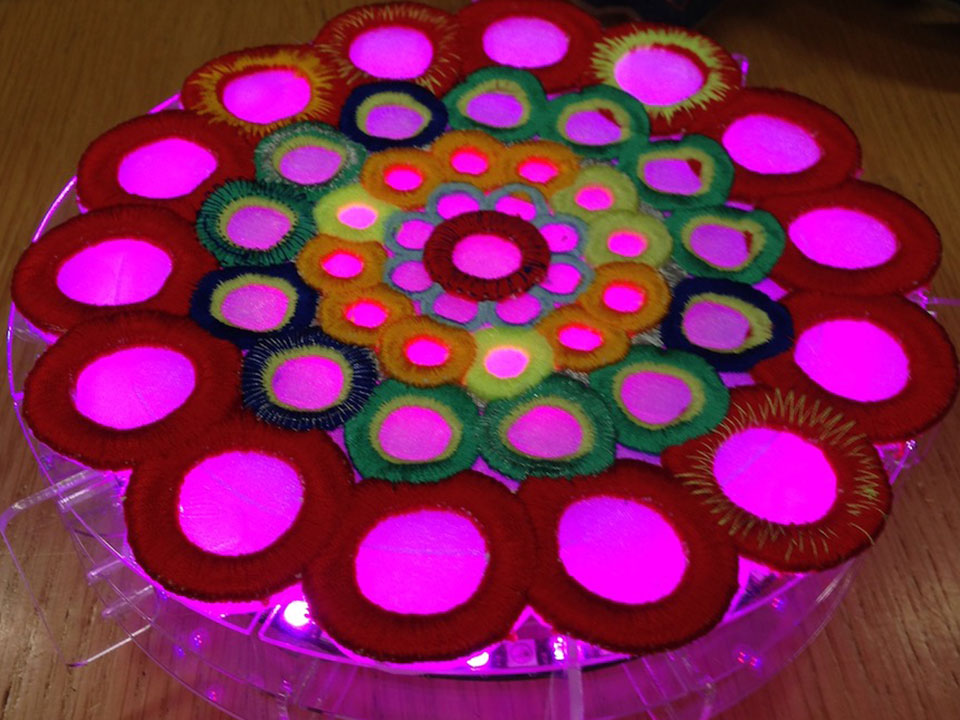
Anke Loh advances interactive textile design through sensory embroidered technology, creating touch-sensitive garments and installations that generate multisensory experiences combining touch, sound, and light.
Saskia K. Helinska works at the intersection of e-textiles and soft robotics, using digital fabrication to create wearable inflatable actuators that deliver haptic feedback through responsive shape-changing geometries. Rain Ashford pioneered “emotive wearables”—clothing that interprets physiological data like brainwaves and heart rate through sensors (EEG, ECG) and visualises this biological activity through integrated fibre-optics and light patterns (LINKs in the reference section).
Haptics in Immersive XR Artworks
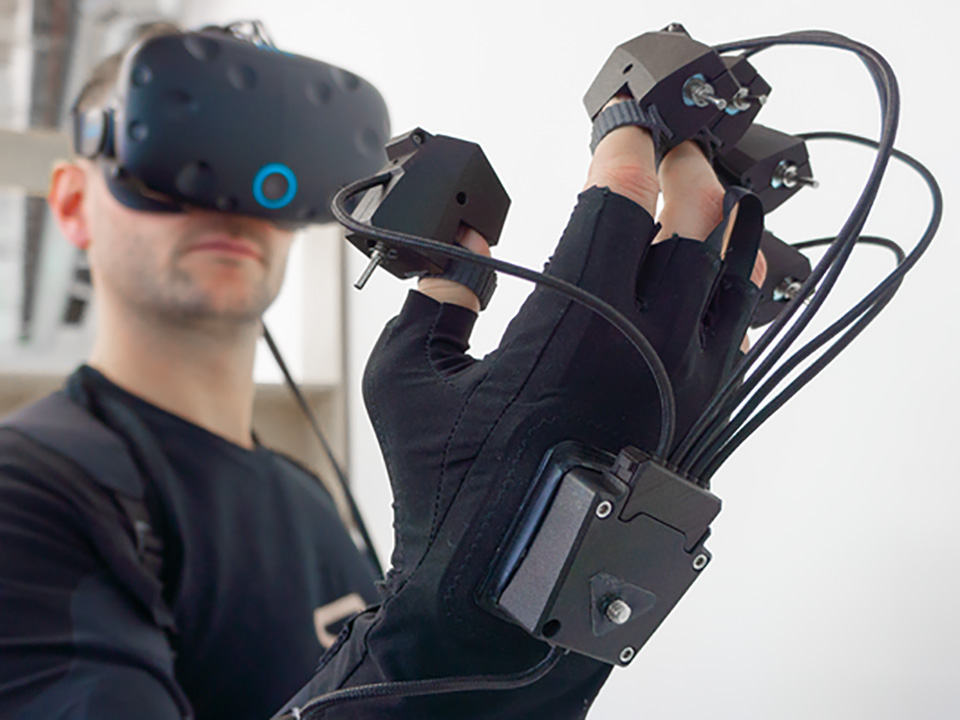
Technologies/electronics devices designed by tech companies are amazing engineering successes for reliability and robustness, but since they are mainly designed for VR games. They have limited if any, customisability, and are extremely expensive apart from BHaptics, most are not desirable for artists to work with.
Jacquelyn (Jackie) Morie’s contributions are to immersive technology include inventing the ‘RemniScent’ scent collar and incorporating haptics to create emotionally resonant virtual reality (VR) experiences to integrate the powerful emotional impact of smell for more meaningful, multisensory virtual environments, rather than just visual ones. The Bluetooth-controlled collar contains multiple scent cartridges. A miniature air blower forces scented air across a filter disc and directs it toward the user’s nose, without spraying anything. Morie combines sight, sound, smell, and touch (haptics) to craft compelling, lifelike immersive worlds. At the USC Institute for Creative Technologies (ICT), she also developed an infrasonic floor that uses low-frequency vibrations to produce a subconscious “emotional score” for the virtual experience, enhancing immersion. All These Worlds http://alltheseworldsllc.com/company/
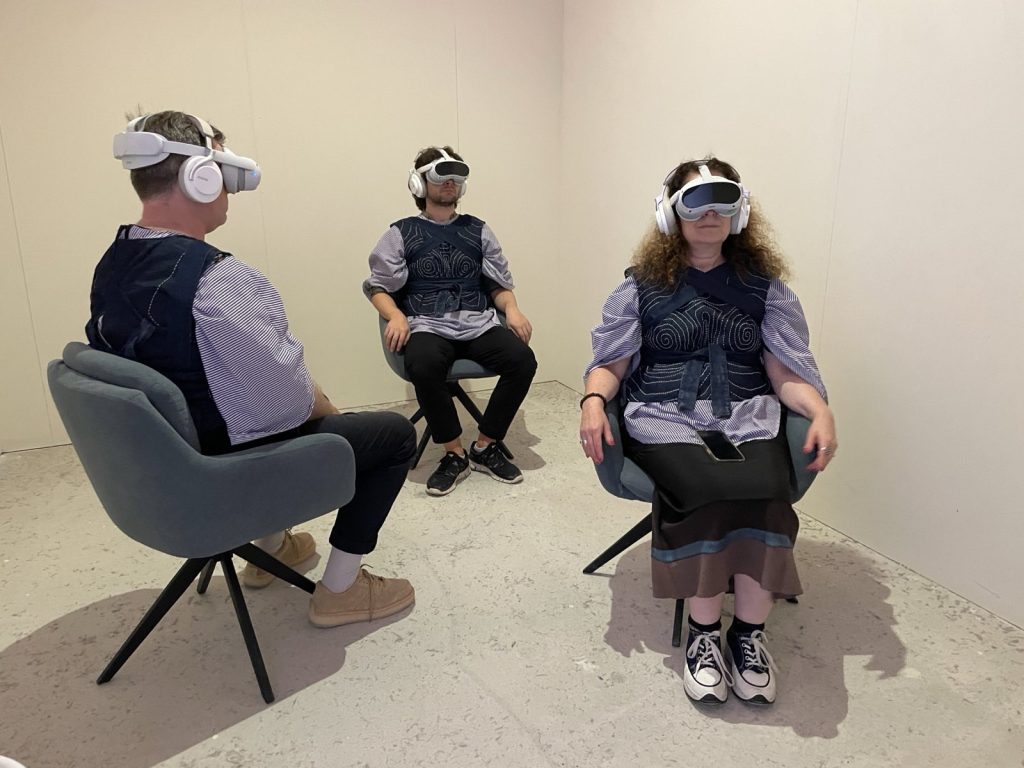
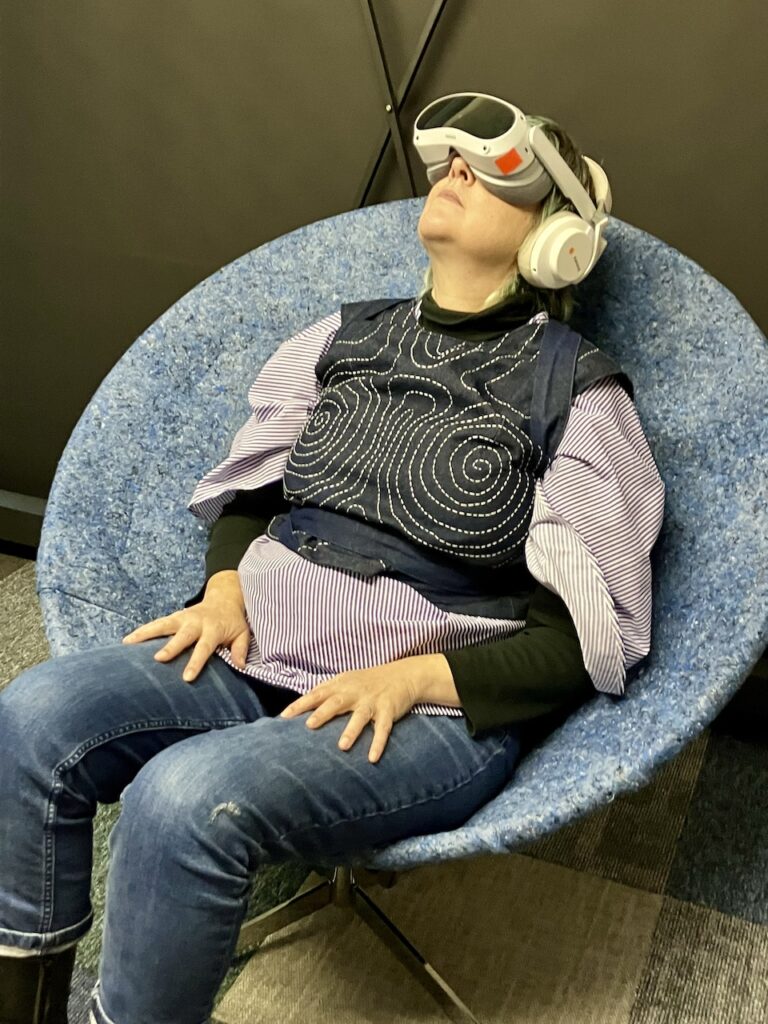
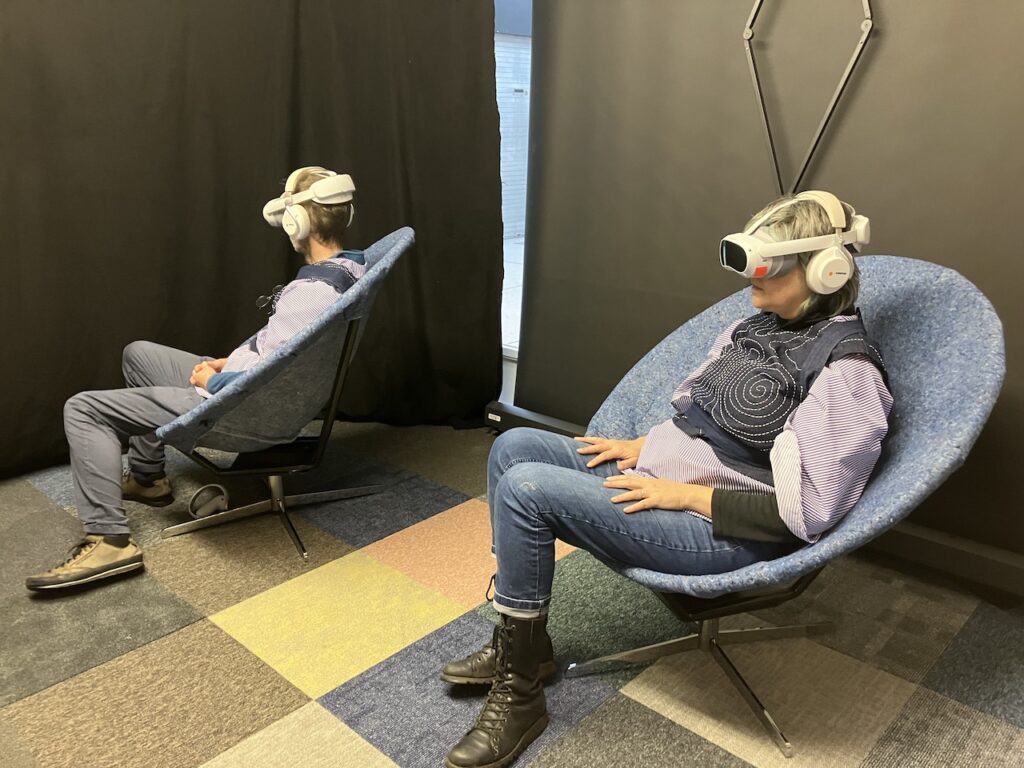
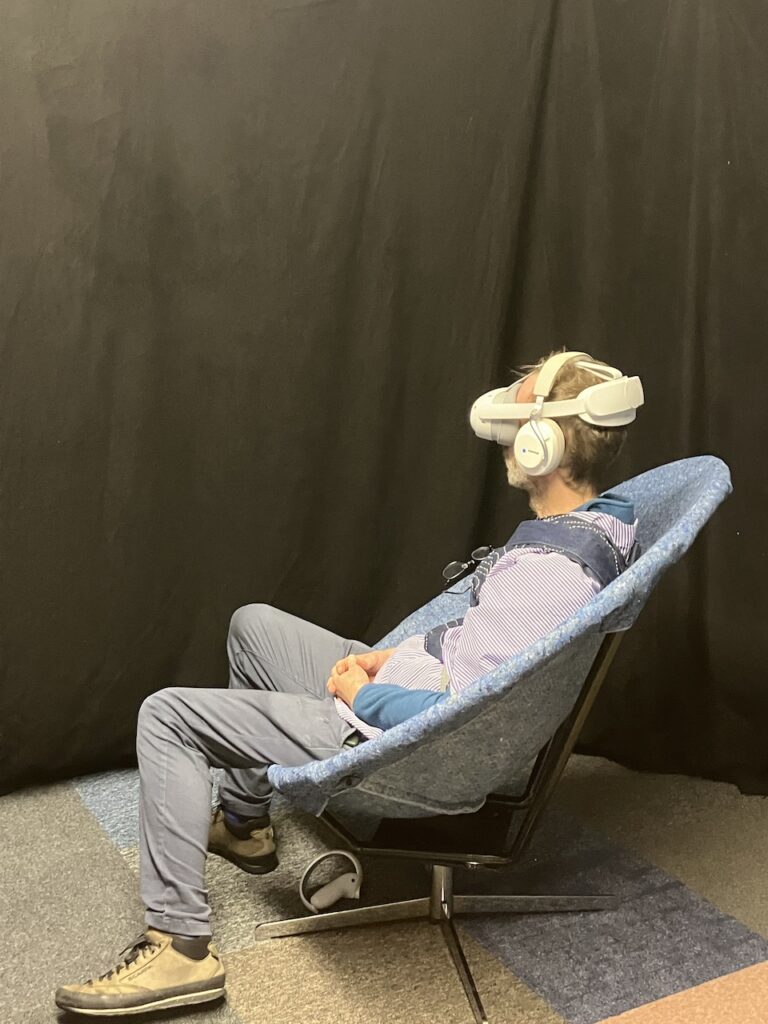
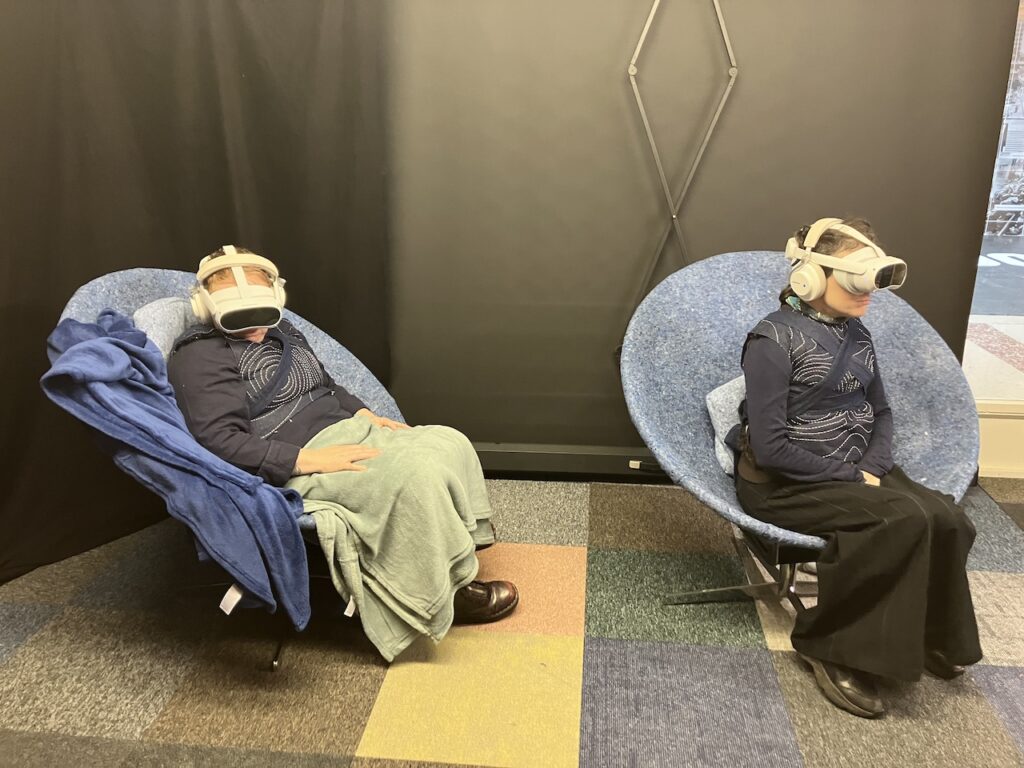
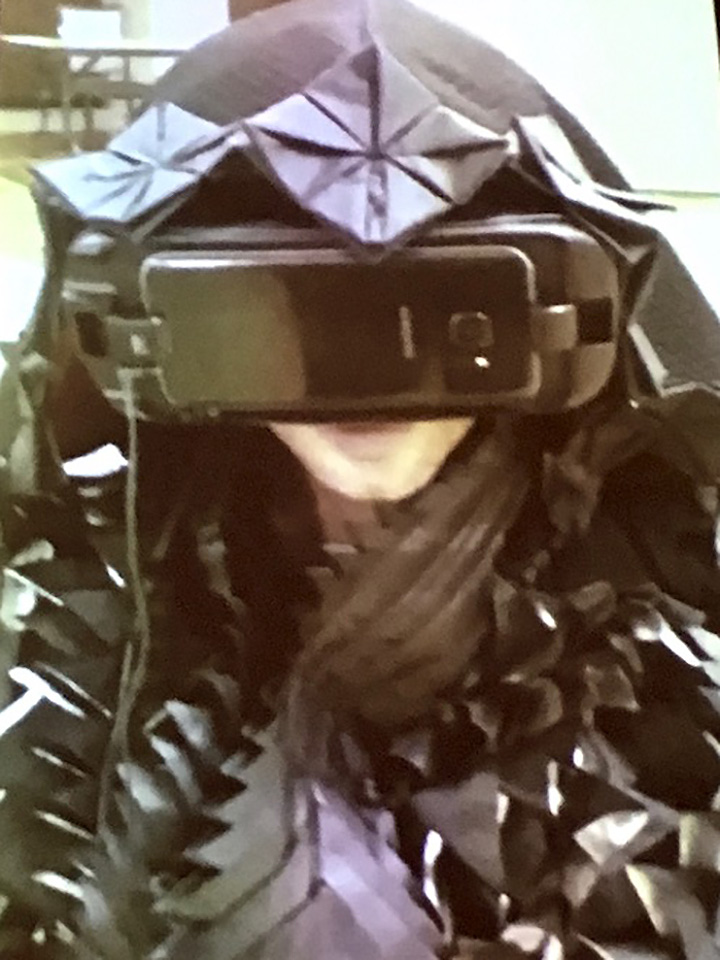
Stéphane Hueber-Blies and Nicholas Blies and their installation titled Ceci est mon cœur(This is my heart). In this experience, the directors used haptic technology integrated into special, hand-embroidered garments worn by the participants to create a shared, emotionally resonant, and physically felt experience. Six participants simultaneously wore the haptic cloaks that lit up and delivered synchronised sensory stimuli to the wearers’ bodies synchronised to a rhythm, creating a single ‘organism’. The haptics triggered subtle physical sensations to evoke the traumatic histories of the creator brothers to process their personal experiences in childhood. The haptic rhythms were closely tied to the narration and music, ensuring the physical sensations were integral to the storytelling and emotional flow of the piece.
East City Films – In Pursuit of Repetitive Beats – This award-winning, UK touring exhibition uses haptic vests to let users feel the bass of a 1989 Acid House rave.
Cameron Kostopoulos’ piece In the Current of Being – This award-winning VR work with haptics vests, haptic gloves, belts for legs and arms, within an installation set-up tells the true story of Carolyn Mercer, a transgender woman who endured electroshock conversion therapy. Participants physically feel Mercer’s heartbeat, breathing and have empathy for her ordeal through the haptics. Embodied Interactive Sensing Haptics- Based